
Roofing in Chincoteague Island: A Local Guide for Homeowners & Property Owners
Whether you're dealing with an older roof showing its age or planning ahead for the next big storm, understanding what's involved helps you move forward with confidence. Connect with local roofing professionals who know the island's unique conditions.
📞How Matching Works in Chincoteague Island
Share Your Need
Select the specific service or issue you need help with.
Get Matched
We identify local professionals in our network who handle that service.
Compare Options
Review your matches and decide on the best provider for you.
Complete Residential & Commercial Roofing Solutions
Professional services tailored to Chincoteague Island residents and businesses
Why Choose Our Residential & Commercial Roofing
Trusted by Chincoteague Island homeowners and businesses
Leak Repair & Diagnostics
Pinpoint the source fast with a thorough inspection and targeted repairs that stop water intrusion and prevent further damage.
Storm Damage Response
Quick assessments after wind or hail, with photo documentation and guidance to help you navigate the insurance process.
Honest Roof Inspections
Clear findings, pictures, and straightforward options so you can make confident decisions—no pressure, no surprises.
Quality Materials & Warranties
Installations built for long-term protection using proven materials, proper flashing/ventilation, and workmanship warranties.
Comprehensive Service Overview
When it comes to roofing on Chincoteague Island, the work involved typically reflects the coastal environment as much as the structure itself. From material selection to installation technique, many decisions hinge on how well a roof will stand up to what the island throws at it.
Inspections and assessments are often the starting point. A thorough roof inspection in this area usually goes beyond a quick glance—it involves checking for compromised flashing around chimneys and vents, examining sealant integrity along ridges and valleys, and evaluating how well the attic space breathes. On an island where moisture is a constant companion, proper ventilation can make or break a roof's lifespan.
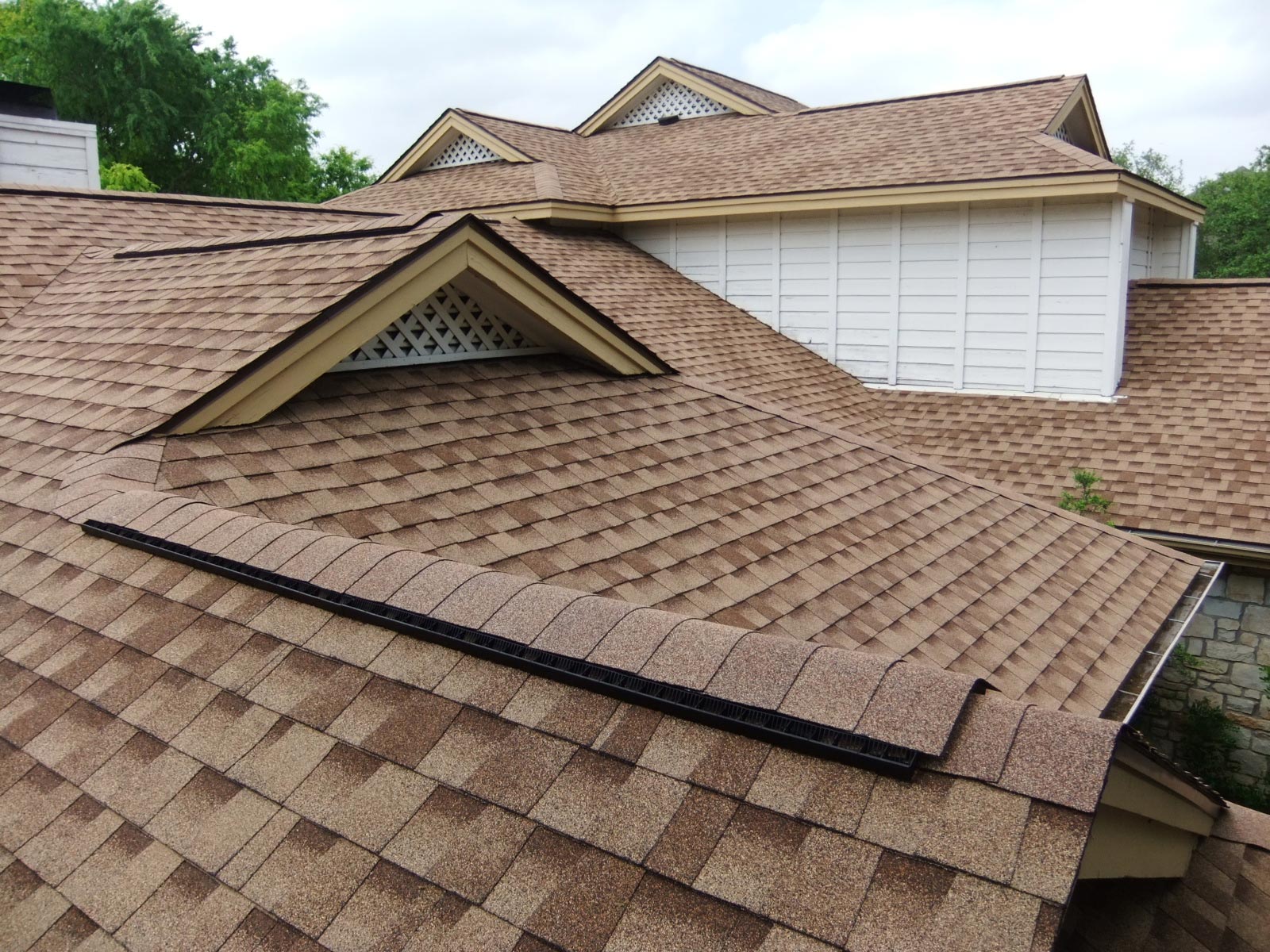
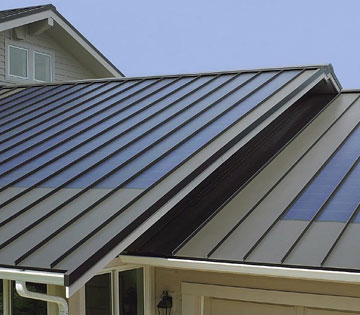
Material choices vary depending on the property type and exposure. Asphalt shingles remain a common option for many homes, though higher-grade architectural shingles tend to be preferred here for their added wind resistance. Metal roofing—standing seam or screw-down panels—is also a frequent choice, particularly on coastal properties where its durability against salt and wind makes it a solid long-term investment. Some commercial and multi-unit buildings use modified bitumen or single-ply membrane systems, especially on flat or low-slope roofs.
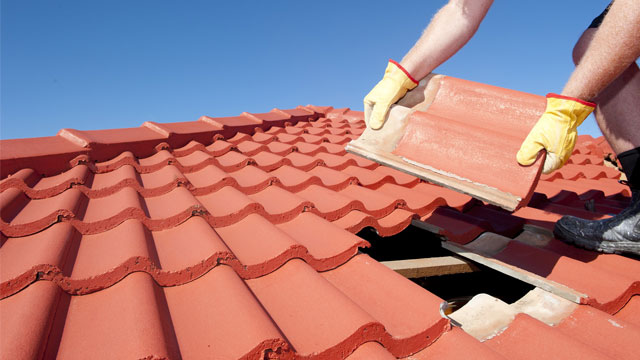
Repairs and replacements typically address the specific wear patterns seen on the island. Wind damage around ridge caps, corroded flashing around plumbing vents, and lifted or curled shingles from repeated moisture cycles are common findings. Many projects also include upgrades to ventilation, underlayment, and flashings—especially on older homes where the original installation may not have been designed for today's weather patterns.
Beyond the physical work, there's the process of documenting conditions clearly. Whether it's for insurance purposes or just for your own records, having clear findings and photographs helps property owners understand what's happening and make confident decisions about next steps.
★ Why Choose a Local Pro?
Roofing in a coastal community like Chincoteague comes with its own set of standards and expectations. What works well in an inland suburban development may not hold up on an island exposed to salt spray, wind, and humidity. That's why working with professionals who understand local conditions matters.
Building codes and permitting requirements in Accomack County can differ from what you'd find elsewhere in Virginia, particularly regarding wind uplift ratings, flashing details, and fastening schedules. A roofer familiar with the region will know what local officials typically look for during inspections and what materials tend to perform best in the island's environment.
Beyond code considerations, the housing stock itself varies widely on Chincoteague. A 1950s cottage near the harbor has different structural needs than a raised beach house built in the last decade. Local experience with these different building styles—and the specific failure points each tends to develop—can make a meaningful difference in the quality and longevity of the work.
Local Advantage
- ✓ Faster Response Times
- ✓ Knowledge of Local Codes
- ✓ Community Accountability
Local Residential & Commercial Roofing in Chincoteague Island
Understanding the specific needs and challenges of properties in the Chincoteague Island area.
Regional Characteristics
Chincoteague Island sits off Virginia's Eastern Shore, exposed to the Atlantic and the Chesapeake Bay. The housing stock reflects a mix of older seasonal cottages built decades ago, newer elevated construction designed to meet flood and wind standards, and modest mid-century year-round homes. Many properties feature steep-pitched roofs suited to shedding heavy rain, while flat or low-slope roofs appear on commercial buildings and some newer residential additions. The island's terrain is flat and sandy, and the climate delivers hot, humid summers, nor'easters in the cooler months, and the occasional hurricane threat that shapes how roofing materials and installations are approached locally.
Common Issues
Coastal weather exposure creates a particular pattern of wear. Salt air accelerates corrosion on metal flashings, vents, and exposed fasteners. High humidity and frequent moisture can shorten the lifespan of asphalt shingles, especially on older roofs where ventilation may not meet current standards. Wind-driven rain and storm surge from nor'easters and tropical systems put stress on roof edges, flashing, and sealants. Many homeowners also contend with UV fade on lighter roofs and organic growth like moss or algae in shaded, damp areas of the island.
Areas & Neighborhoods Served
Coverage across the neighborhoods, corridors, and nearby communities property owners most often ask about in Chincoteague Island.
Service Area Zip Codes
Local Considerations
The island's character is shaped by its proximity to the Chincoteague National Wildlife Refuge, the Assateague Channel, and the downtown corridor along Maddox Boulevard where many older commercial and residential structures sit. Newer development has expanded south and toward the edges of the island, while the core retains much of its original building stock.
Roofing Guides for Chincoteague Island
Different situations call for different information. Choose a guide based on what you need right now.
Emergency Situations
Urgent help when every minute counts.
Get Emergency HelpPricing & Cost Factors
Understand fair costs and pricing.
View Pricing GuideAvoid Scams
Protect yourself from common fraud.
Read Protection GuidePermits & Compliance
Local rules and requirements.
Check RequirementsNext Steps
If you're dealing with active leaking or storm damage that needs immediate attention, the emergency roofing page outlines what to expect when time is critical. For those exploring cost expectations and budgeting, the pricing page covers common factors that influence project costs on the island. If you're concerned about contractor practices and consumer protection, the scams page offers useful perspective. And for questions about local permit requirements and code compliance in Accomack County, the permits page provides a helpful overview of what's typically involved.
Residential & Commercial Roofing Work
Professional residential & commercial roofing services in Chincoteague Island
Residential & Commercial Roofing Services
Residential & Commercial Roofing Services
Residential & Commercial Roofing Services
Residential & Commercial Roofing Services
Find a Residential & Commercial Roofing Pro in Chincoteague Island
Connect with verified local professionals who understand your specific needs.