
Mold Remediation in White Deer, TX: What Homeowners Should Know
If you're noticing musty odors or visible growth, addressing it promptly can help prevent larger issues. Get connected with local specialists who understand Panhandle homes.
📞Comprehensive Service Overview
Understanding what mold remediation involves can help you know what to expect when addressing a problem in your White Deer home.
The process typically begins with a thorough inspection to identify not just visible mold growth, but the underlying source of moisture. This is a critical distinction — treating the mold without addressing the moisture source often leads to recurring issues. In the Panhandle climate, sources might include roof leaks after hail storms, condensation in poorly ventilated attics, or hidden plumbing leaks within walls.
Once the source is identified, proper containment is set up to prevent mold spores from spreading to other areas during cleanup. This usually involves creating physical barriers and using negative air pressure with HEPA filtration — measures that are especially important given the windy conditions common to this region, which can otherwise carry spores to unaffected parts of the home.
The actual remediation work involves removing or treating affected materials. Depending on the extent of the growth, this may mean replacing drywall, insulation, or flooring, or using antimicrobial treatments on salvageable surfaces. Throughout the process, careful documentation — including photo evidence and a written remediation plan — helps provide a clear record of what was found and how it was addressed.
After the physical work is complete, the affected area is dried thoroughly using industrial dehumidifiers and air movers. In many cases, post-remediation verification testing is conducted to confirm that mold spore levels have returned to normal ranges.
For homeowners in White Deer, coordinating with insurance providers may be part of the picture, as some policies cover mold remediation when it's linked to a covered water loss. Having thorough documentation from start to finish can be valuable in those situations.
The goal throughout is not just to remove visible mold, but to address the conditions that allowed it to grow in the first place — helping protect both the property and the people who live in it.
★ Why Choose a Local Pro?
Homes in White Deer and the surrounding Carson County area come with their own unique characteristics — and mold issues often look different here than they might in other parts of Texas. The combination of semi-arid conditions, strong winds, and a mix of older and newer housing stock creates a specific set of circumstances that local familiarity helps navigate.
Licensing and certifications are worth understanding. While Texas doesn't have statewide licensing specifically for mold remediation contractors, many qualified specialists hold certifications through recognized industry organizations such as the IICRC (Institute of Inspection, Cleaning and Restoration Certification). These certifications indicate training in current remediation standards and best practices.
Local familiarity matters when it comes to understanding how homes in this area were built, what materials were commonly used, and how moisture behaves in the Panhandle climate. A specialist who has worked extensively in Carson County will be better equipped to identify likely problem areas and recommend appropriate solutions.
When evaluating options, asking about specific experience with local housing types and regional moisture patterns can help you find the right fit for your situation.
Local Advantage
- ✓ Faster Response Times
- ✓ Knowledge of Local Codes
- ✓ Community Accountability
Local Mold Remediation in White Deer
Understanding the specific needs and challenges of properties in the White Deer area.
Regional Characteristics
White Deer sits in the heart of the Texas Panhandle, a region defined by wide-open spaces, persistent winds, and dramatic weather shifts. Homes here range from early 20th-century structures near the town's core to modern construction on the outskirts. The semi-arid climate means humidity levels are generally lower than in other parts of Texas, but that doesn't eliminate mold concerns — especially in attics, crawl spaces, and basements where moisture can become trapped. Older homes may have outdated ventilation systems or original plumbing more prone to leaks, while newer builds face their own challenges with vapor barriers and HVAC humidity control.
Common Issues
Mold issues in White Deer often trace back to a few recurring causes. Attic condensation is common when warm, moist air meets cooler roof surfaces — especially during the spring and fall shoulder seasons. Plumbing leaks, whether from aging pipes in older homes or slab leaks in newer construction, can create hidden mold growth behind walls and under flooring. Storm-related water intrusion, while not an everyday concern, can happen during heavy thunderstorms or hail events that move across the Panhandle. Poor ventilation in bathrooms, laundry rooms, and kitchens also contributes to elevated indoor humidity in many homes.
Areas & Neighborhoods Served
Coverage across the neighborhoods, corridors, and nearby communities property owners most often ask about in White Deer.
Service Area Zip Codes
Local Considerations
White Deer's older residential streets near the downtown area feature many historic homes where mold concerns often relate to aging infrastructure and original building materials. Newer developments on the town's outskirts tend to present different moisture dynamics, often tied to modern HVAC systems and contemporary construction techniques. The area's agricultural properties have their own considerations, including crawl spaces and outbuildings that may be more exposed to the elements.
How Matching Works in White Deer
Share Your Need
Select the specific service or issue you need help with.
Get Matched
We identify local professionals in our network who handle that service.
Compare Options
Review your matches and decide on the best provider for you.
Why Choose Our Mold Remediation
Trusted by White Deer homeowners and businesses
Moisture Source Detection
We locate the leak or humidity source so mold doesn’t return after cleanup.
Containment & HEPA Filtration
Proper barriers and negative air pressure reduce cross-contamination during removal.
Safe Removal & Cleaning
Affected materials are removed or treated using industry-standard methods and antimicrobial solutions.
Clear Scope & Documentation
Get a written plan, photo evidence, and guidance for repairs and prevention.
Complete Mold Remediation Solutions
Professional services tailored to White Deer residents and businesses
Mold Remediation Guides for White Deer
Different situations call for different information. Choose a guide based on what you need right now.
Emergency Situations
Urgent help when every minute counts.
Get Emergency HelpPricing & Cost Factors
Understand fair costs and pricing.
View Pricing GuideAvoid Scams
Protect yourself from common fraud.
Read Protection GuidePermits & Compliance
Local rules and requirements.
Check RequirementsNext Steps
Depending on your situation, different resources may be most helpful. If you're dealing with an active leak or significant water intrusion, visit the emergency page for guidance on immediate steps. For questions about typical project costs and what factors influence pricing locally, the pricing page offers helpful context. If you're concerned about protecting yourself when selecting a provider, the scams page covers what to watch for. And for information about local permit or compliance considerations, the permits page provides an overview.
Mold Remediation Work
Professional mold remediation services in White Deer
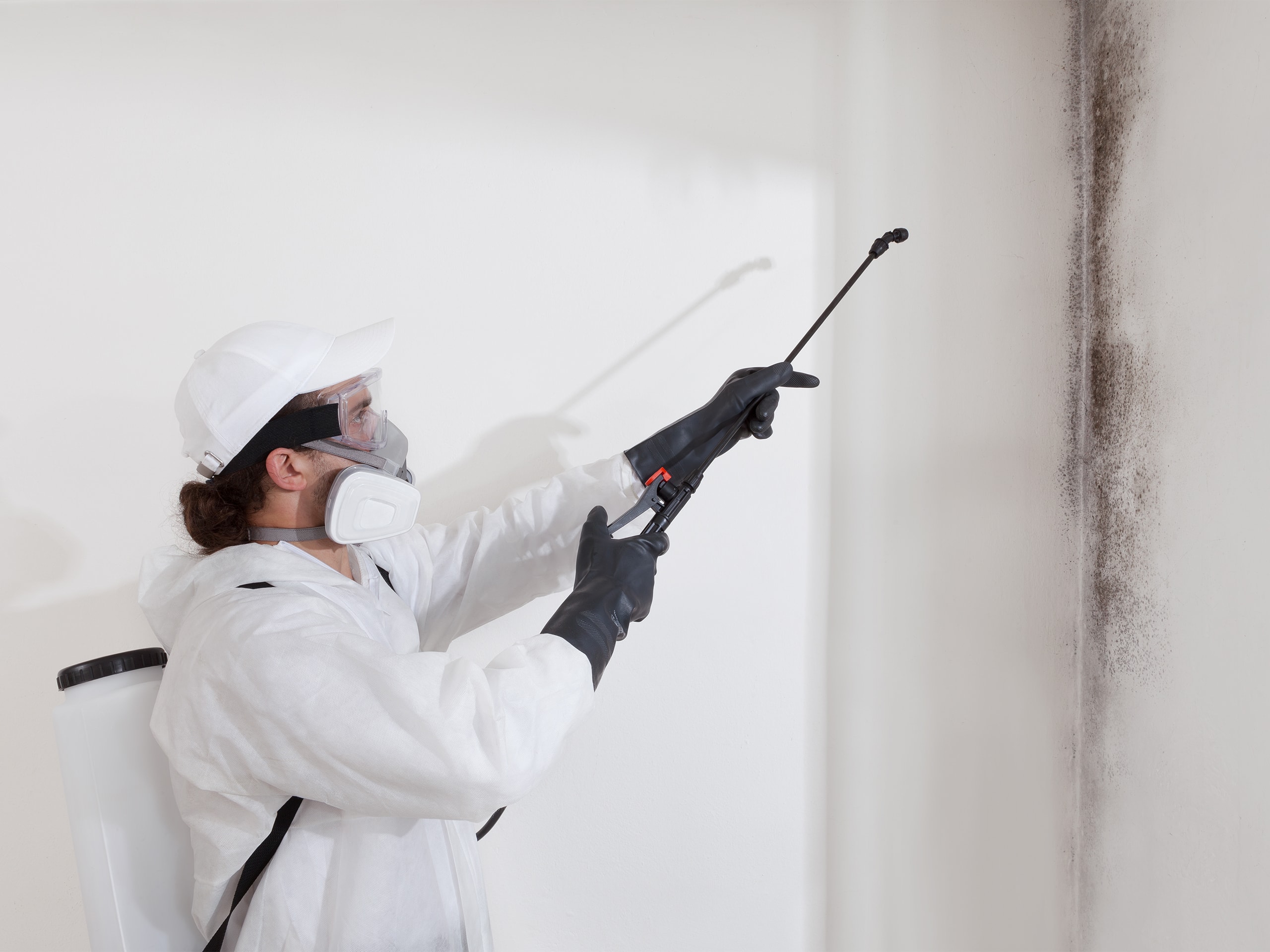
mold remediation
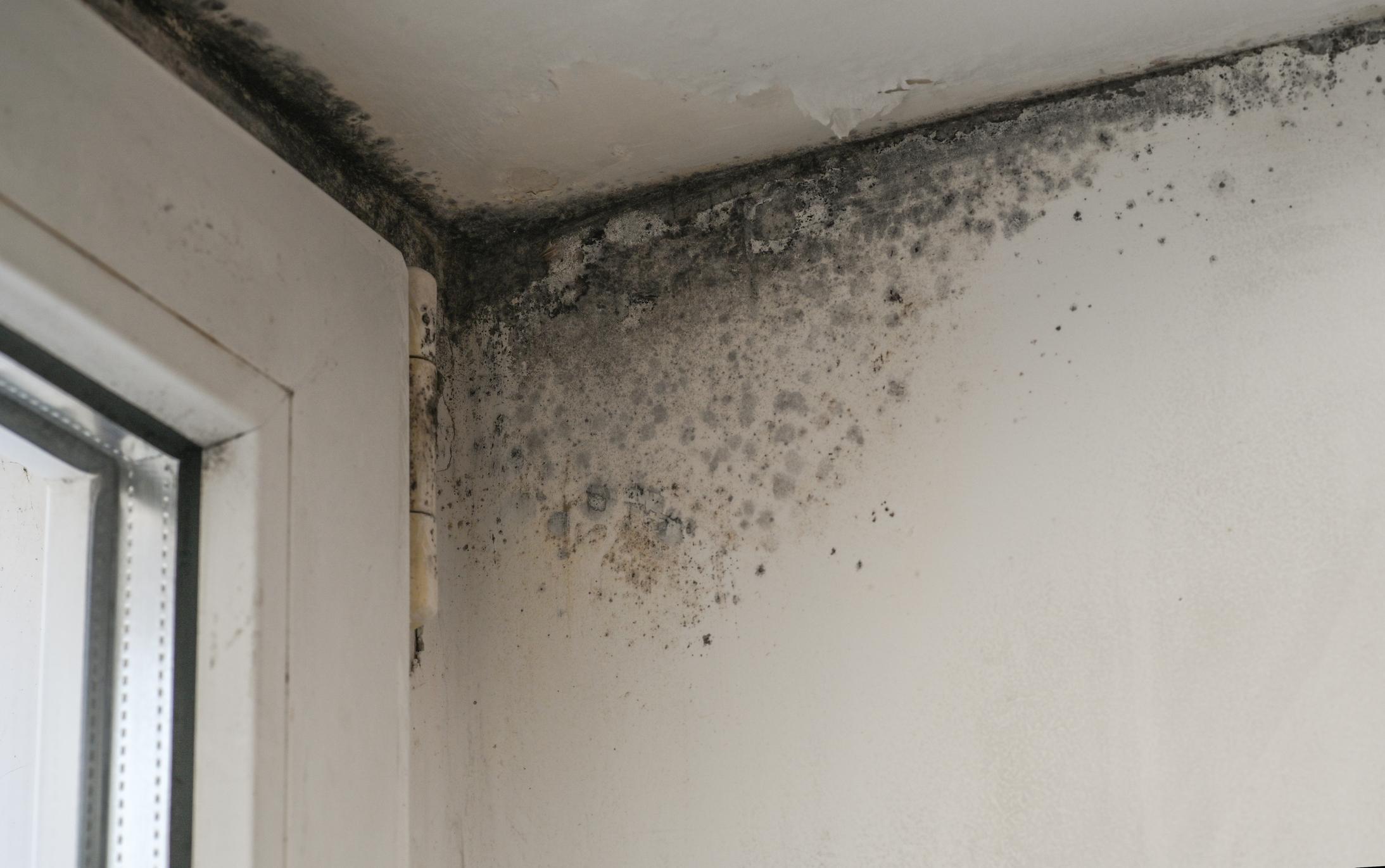
mold removal
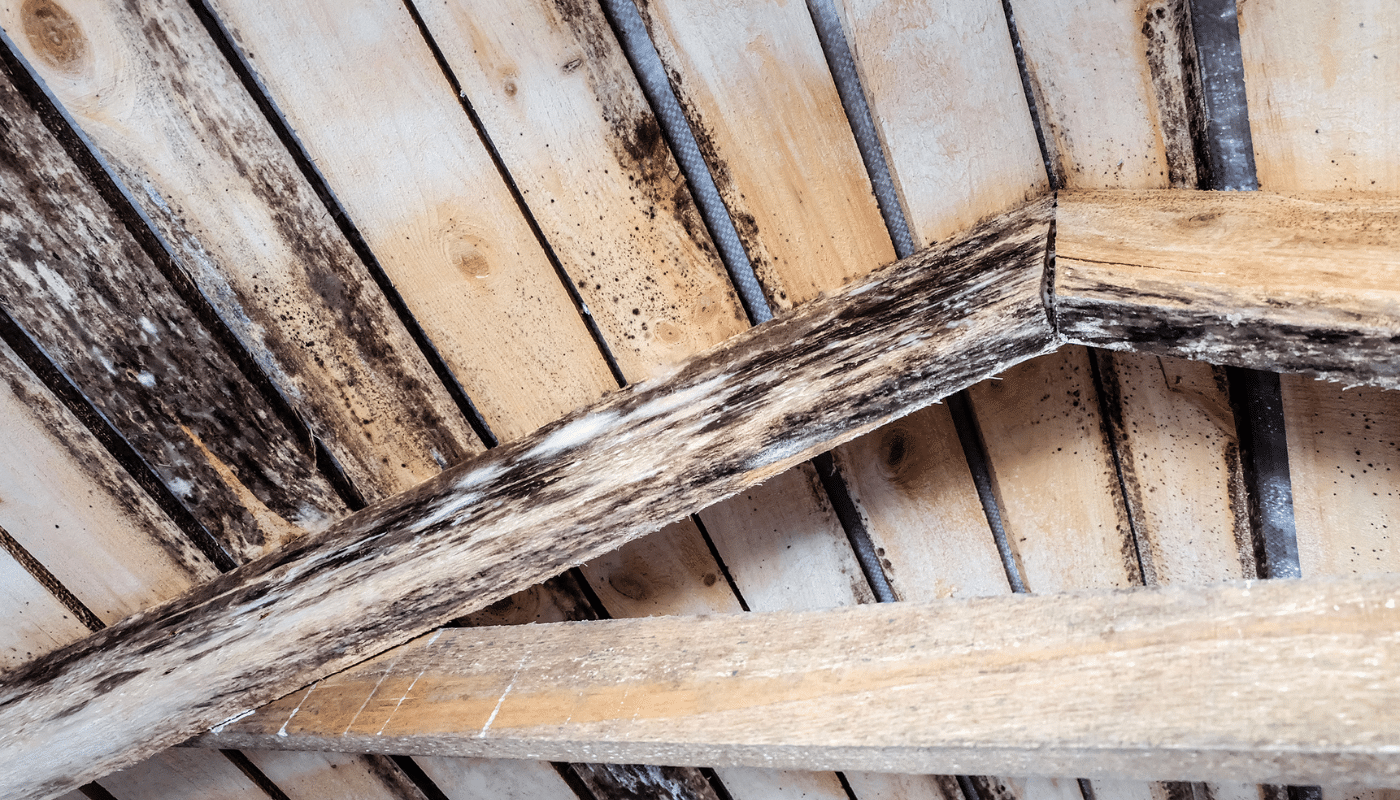
black mold removal
mold inspection
Find a Mold Remediation Pro in White Deer
Connect with verified local professionals who understand your specific needs.