
Mold Remediation in Santa Fe, TX: What Local Homeowners Should Know
If you're noticing musty odors, visible growth, or signs of moisture damage in your home, connecting with a qualified local specialist can help you address the issue before it escalates. Acting quickly matters in our humid Gulf Coast climate.
📞Comprehensive Service Overview
Mold remediation in Santa Fe generally begins with a thorough inspection and assessment to determine the extent of the problem and identify the source of moisture. Because mold needs moisture to thrive, simply cleaning the visible growth without addressing the underlying issue often leads to a recurring problem. This is why any thorough remediation process starts by locating the leak, humidity source, or ventilation issue that allowed mold to develop in the first place.
Once the source is addressed, the next step involves containment. In a humid climate like Santa Fe's, proper containment is especially important to prevent spores from spreading to unaffected areas during cleanup. This typically involves setting up negative air pressure equipment and HEPA filtration to isolate the work area and maintain indoor air quality throughout the process.
The actual removal phase involves carefully cleaning or removing affected materials — this could include drywall, insulation, carpeting, or wood framing — depending on the severity of the infestation. Antimicrobial treatments are commonly applied to affected surfaces to help prevent regrowth. In cases involving HVAC systems, ductwork may need to be cleaned or replaced to ensure mold isn't recirculated throughout the home.
After removal and treatment, the space is dried and dehumidified to restore proper moisture levels. In Santa Fe's climate, this step is particularly important given the ambient humidity that persists even after visible mold is gone. A final post-remediation verification — sometimes including air quality testing — can provide documentation that the affected area has been properly addressed.
Homeowners in Santa Fe often find it helpful to receive a written plan documenting the scope of work, along with photo evidence and guidance for any necessary repairs or preventive measures. This documentation can also be useful when working with insurance providers, as it provides a clear record of what was done and why.
★ Why Choose a Local Pro?
Mold remediation is not a one-size-fits-all process, and the conditions in Santa Fe present specific considerations that a provider familiar with the area will understand. The humid subtropical climate common to Galveston County means moisture management strategies that work in drier parts of the country may not be adequate here.
Homes in Santa Fe vary widely in age and construction style, which means the approach to mold remediation can differ significantly from one property to the next. An older home with pier-and-beam foundations may require different containment and drying strategies than a newer slab-on-grade construction. Familiarity with these local housing patterns can make a meaningful difference in how thoroughly a mold issue is resolved.
In Texas, the Texas Department of Licensing and Regulation (TDLR) oversees mold remediation licensing and certification. Working with someone who understands these requirements — and who has experience with the types of homes and conditions common to Santa Fe — can help ensure the work is done properly and meets applicable standards.
Local Advantage
- ✓ Faster Response Times
- ✓ Knowledge of Local Codes
- ✓ Community Accountability
Local Mold Remediation in Santa Fe
Understanding the specific needs and challenges of properties in the Santa Fe area.
Regional Characteristics
Santa Fe sits in Galveston County, a part of the Texas Gulf Coast region known for its subtropical climate and high year-round humidity. The area features a mix of older established neighborhoods with homes dating back several decades, alongside newer suburban developments that continue to expand. Housing stock ranges from single-family ranch-style homes to more modern two-story constructions. The terrain is generally flat with sandy loam soils, and the area's proximity to Galveston Bay means higher moisture levels in the air, especially during the warmer months. Development patterns in Santa Fe have historically followed major roadways, with residential communities branching out into more rural and semi-rural settings.
Common Issues
Homeowners in Santa Fe most commonly encounter mold issues related to humidity buildup in attics, crawl spaces, and bathrooms. Leaky roofs are a frequent concern after heavy rain events, and plumbing leaks — especially in older homes — can create hidden moisture problems behind walls or under floors. Flooding from tropical storms or prolonged rainfall can introduce water into garages and ground-level living spaces. HVAC systems operating in the humid climate can also become a breeding ground for mold if condensation isn't properly managed. Musty odors, visible spotting on walls or ceilings, and worsening allergy symptoms among occupants are common signs that prompt homeowners to investigate further.
Areas & Neighborhoods Served
Coverage across the neighborhoods, corridors, and nearby communities property owners most often ask about in Santa Fe.
Service Area Zip Codes
Local Considerations
General points of reference in Santa Fe include the downtown area along Highway 6, where older commercial buildings and nearby residential streets are concentrated. Newer subdivisions continue to develop on the outskirts of town, while areas near major roadways like I-45 offer access to surrounding communities. The mix of older and newer construction means mold concerns can vary significantly from one property to the next, which is why understanding local housing patterns matters.
How Matching Works in Santa Fe
Share Your Need
Select the specific service or issue you need help with.
Get Matched
We identify local professionals in our network who handle that service.
Compare Options
Review your matches and decide on the best provider for you.
Why Choose Our Mold Remediation
Trusted by Santa Fe homeowners and businesses
Moisture Source Detection
We locate the leak or humidity source so mold doesn’t return after cleanup.
Containment & HEPA Filtration
Proper barriers and negative air pressure reduce cross-contamination during removal.
Safe Removal & Cleaning
Affected materials are removed or treated using industry-standard methods and antimicrobial solutions.
Clear Scope & Documentation
Get a written plan, photo evidence, and guidance for repairs and prevention.
Complete Mold Remediation Solutions
Professional services tailored to Santa Fe residents and businesses
Mold Remediation Guides for Santa Fe
Different situations call for different information. Choose a guide based on what you need right now.
Emergency Situations
Urgent help when every minute counts.
Get Emergency HelpPricing & Cost Factors
Understand fair costs and pricing.
View Pricing GuideAvoid Scams
Protect yourself from common fraud.
Read Protection GuidePermits & Compliance
Local rules and requirements.
Check RequirementsNext Steps
Depending on your situation, you may want to explore different resources. If you're dealing with active water damage or widespread mold growth that needs prompt attention, the emergency page provides guidance for urgent situations. For questions about cost and what to expect financially, the pricing page offers helpful context. If you're concerned about protecting yourself when hiring a provider, the scams page covers common consumer considerations, while the permits page explains local compliance requirements in Galveston County.
Mold Remediation Work
Professional mold remediation services in Santa Fe
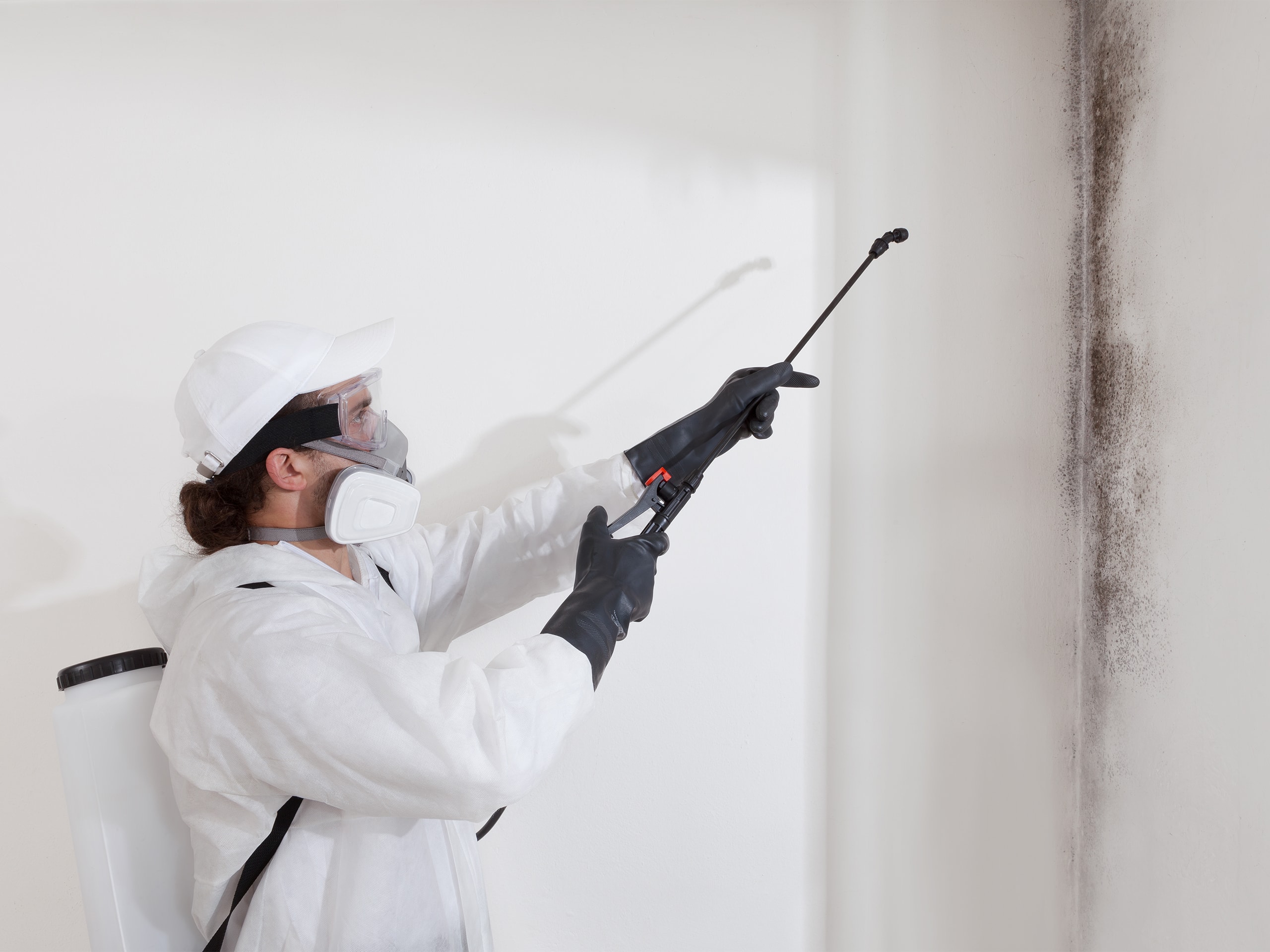
mold remediation
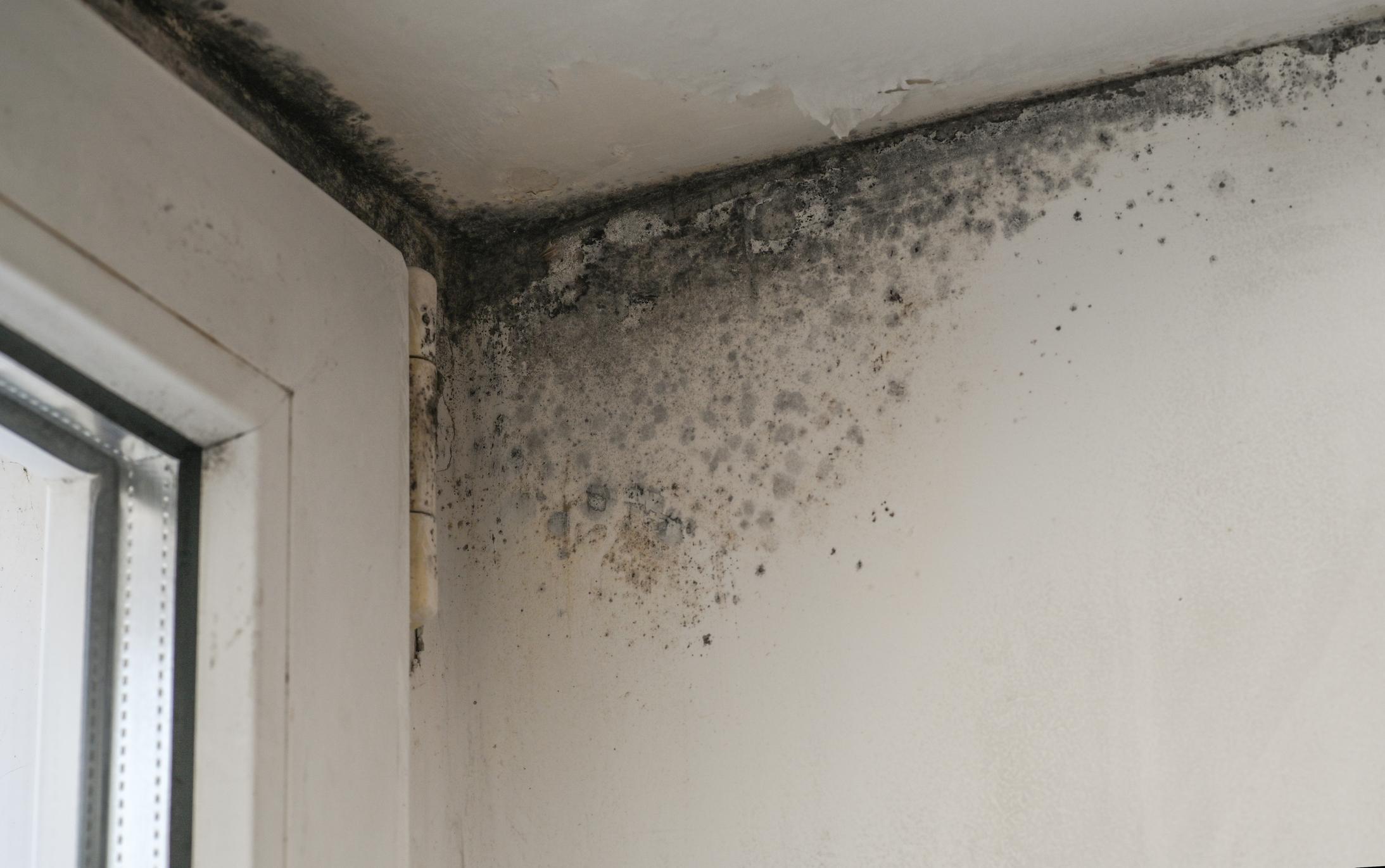
mold removal
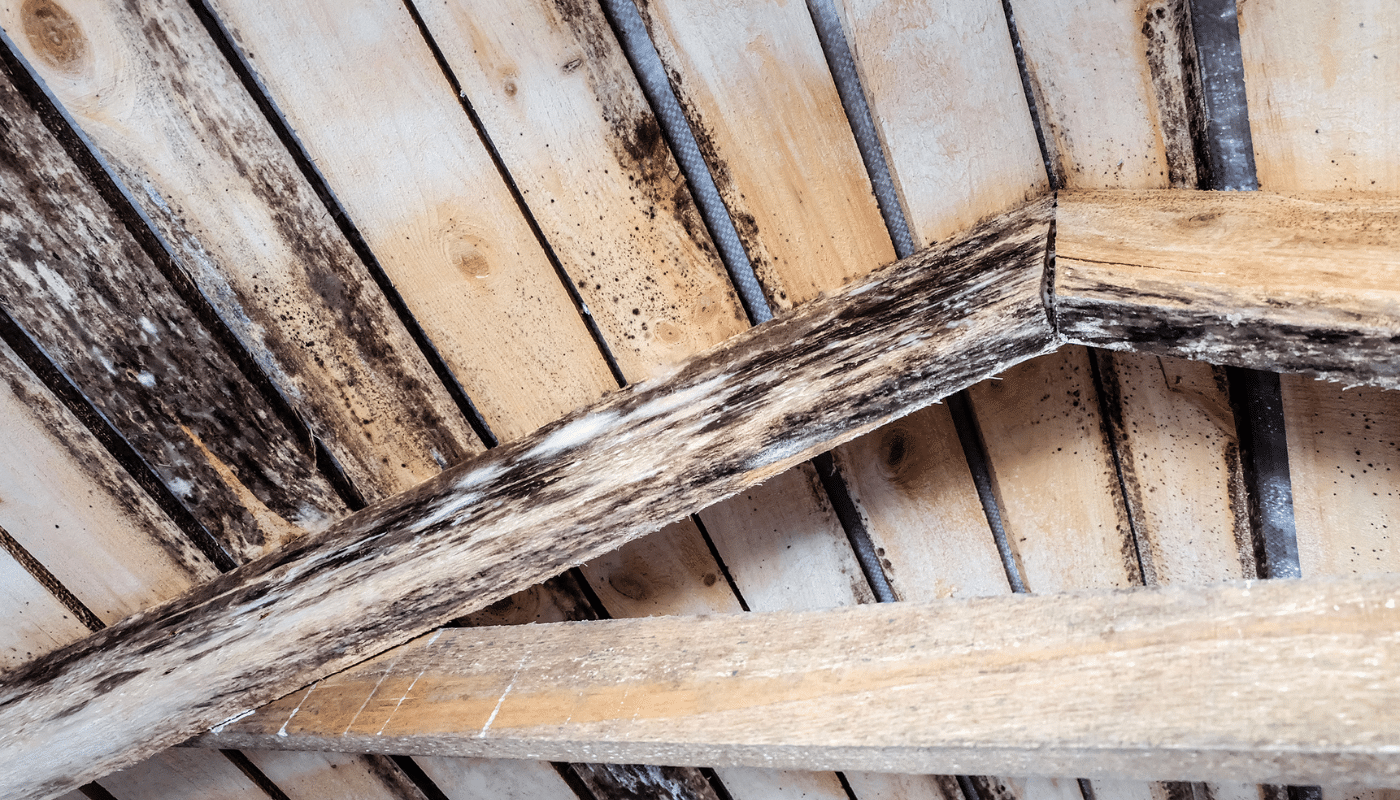
black mold removal
mold inspection
Find a Mold Remediation Pro in Santa Fe
Connect with verified local professionals who understand your specific needs.