
What to Know About Roofing in Lone Star, TX
From historic homes to Main Street storefronts, Lone Star properties face real weather. Connect with local roofing professionals who understand East Texas conditions and can help assess your situation.
📞How Matching Works in Lone Star
Share Your Need
Select the specific service or issue you need help with.
Get Matched
We identify local professionals in our network who handle that service.
Compare Options
Review your matches and decide on the best provider for you.
Complete Residential & Commercial Roofing Solutions
Professional services tailored to Lone Star residents and businesses
Why Choose Our Residential & Commercial Roofing
Trusted by Lone Star homeowners and businesses
Leak Repair & Diagnostics
Pinpoint the source fast with a thorough inspection and targeted repairs that stop water intrusion and prevent further damage.
Storm Damage Response
Quick assessments after wind or hail, with photo documentation and guidance to help you navigate the insurance process.
Honest Roof Inspections
Clear findings, pictures, and straightforward options so you can make confident decisions—no pressure, no surprises.
Quality Materials & Warranties
Installations built for long-term protection using proven materials, proper flashing/ventilation, and workmanship warranties.
Comprehensive Service Overview
For most Lone Star properties, roofing work falls into a few common categories—repairs, replacements, new installations, and ongoing maintenance. Each comes with its own set of local considerations that reflect the area's climate and building stock.
Repairs in this area often involve addressing leaks, damaged flashing, or missing shingles after a storm. Because many homes are shaded by large trees, moisture-related deterioration is a frequent finding during inspections, particularly around valleys, chimneys, and vent boots. A thorough inspection that pinpoints the source of water intrusion quickly can help prevent more extensive damage to ceilings, insulation, and interior finishes.
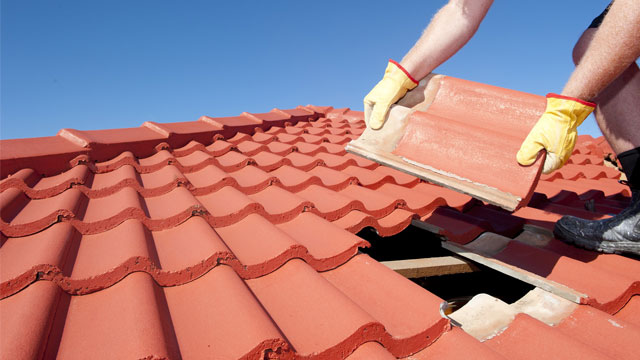
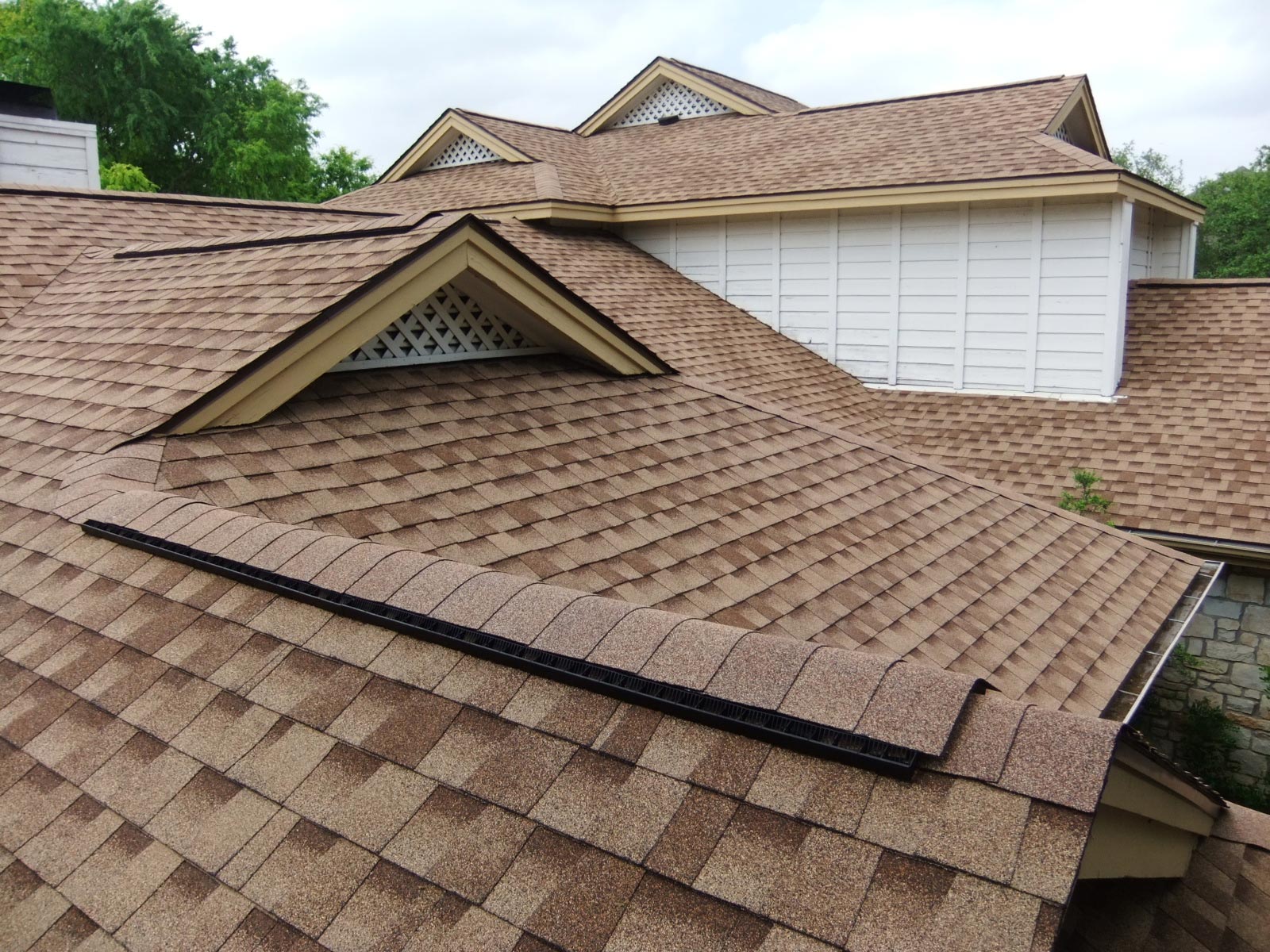
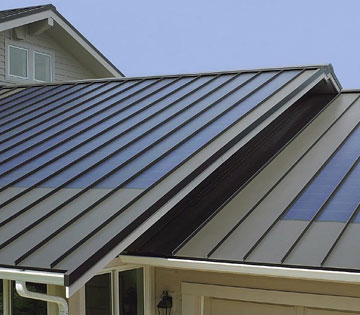
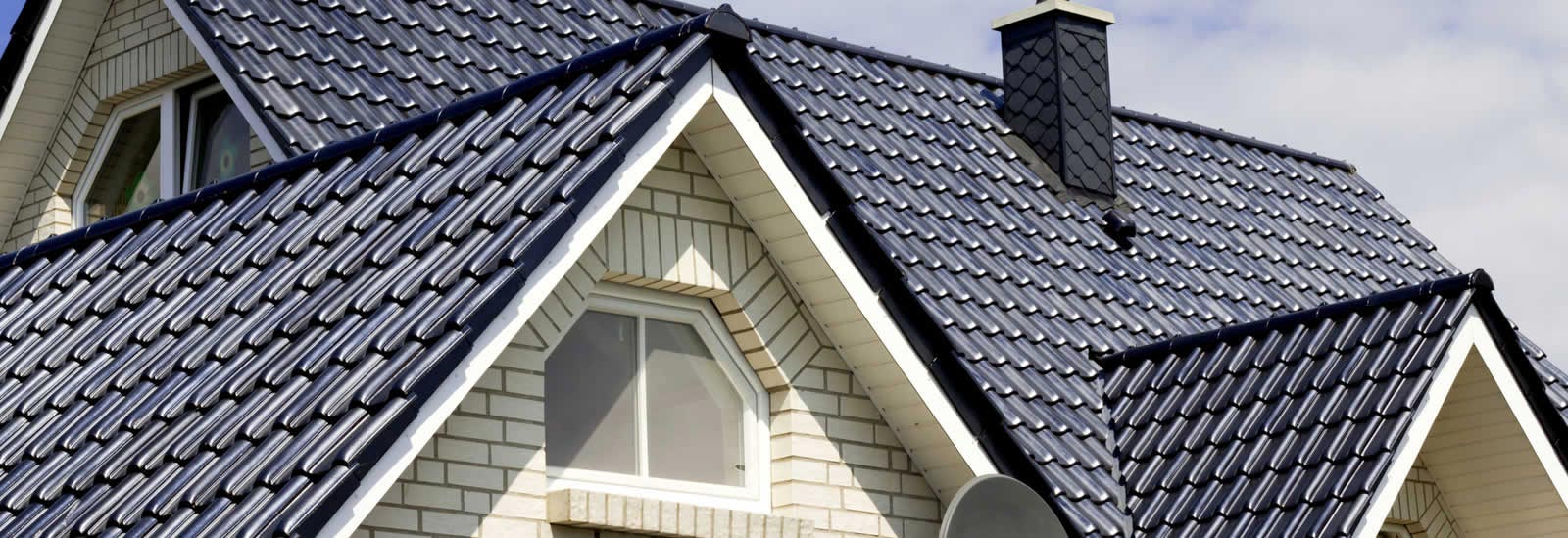
Replacements are a significant investment, and the choice of materials matters here. Asphalt shingles remain the most common residential option, though metal roofing has grown in popularity for its durability in storm-prone areas. Tile and modified bitumen systems are more commonly seen on commercial properties. Proper ventilation and high-quality underlayment are especially important in the humid East Texas climate to prevent attic moisture problems and extend the roof's service life.
Storm damage assessments are another common need after severe weather. Having a professional evaluate the roof promptly—with clear photo documentation—can be helpful when navigating the insurance process. Many property owners appreciate straightforward findings that explain what needs attention and what can wait.
For commercial property owners, flat roofing systems require regular drainage maintenance to prevent ponding water from compromising the membrane. Periodic inspections catch small issues—like blistering, seam separation, or clogged drains—before they turn into costly interior leaks. Throughout all these projects, attention to property protection, clean job sites, and installations built for long-term protection are standard expectations.
★ Why Choose a Local Pro?
Roofing in Lone Star isn't the same as roofing in Dallas or Houston. The local conditions—humidity, tree cover, storm patterns, and the age of the housing stock—create specific challenges that benefit from hands-on familiarity. Licensed contractors who work regularly in this region understand how to properly flash around chimneys on older homes, what underlayment performs best in humid conditions, and how to match replacement materials to existing roofs.
Local building codes and inspection expectations can vary, and staying current with those requirements matters for both safety and compliance. Whether the project involves a historic residential property or a newer commercial building, the approach should reflect the building's age, construction style, and exposure to the elements.
Working with someone who has experience in the Lone Star area provides peace of mind that the work will be suited to local conditions. The goal is finding the right fit for your specific property and situation—not a one-size-fits-all approach.
Local Advantage
- ✓ Faster Response Times
- ✓ Knowledge of Local Codes
- ✓ Community Accountability
Local Residential & Commercial Roofing in Lone Star
Understanding the specific needs and challenges of properties in the Lone Star area.
Regional Characteristics
Lone Star sits in the heart of the Piney Woods region, where mature trees, rolling hills, and a humid subtropical climate shape the local housing landscape. The city features a mix of older homes—some dating to the mid-20th century or earlier—alongside newer residential developments and small commercial buildings. Humidity and rainfall are significant factors here, with annual precipitation well above the national average. This combination of shade from dense trees and persistent moisture creates conditions that can accelerate wear on roofing materials if not properly managed through good ventilation and regular maintenance.
Common Issues
Property owners in this region commonly contend with storm-related wear from high winds and heavy rain, particularly during spring and summer thunderstorms. Moisture-related concerns such as algae growth, moss, and trapped humidity are frequent in shaded areas and on north-facing roof slopes. Older homes often have roofs that have been patched multiple times, making leak detection and targeted repair more involved. For commercial properties, flat roof drainage and ponding water can become persistent challenges during the wetter months of the year.
Areas & Neighborhoods Served
Coverage across the neighborhoods, corridors, and nearby communities property owners most often ask about in Lone Star.
Service Area Zip Codes
Local Considerations
The downtown Lone Star area includes a mix of older commercial and residential buildings, while newer residential development has expanded toward the eastern edge of town. Areas along the Highway 259 corridor see a blend of small businesses, churches, and residential properties. Mature trees shade many of the older neighborhoods, adding character but also contributing to debris accumulation and moisture retention on roofs.
Roofing Guides for Lone Star
Different situations call for different information. Choose a guide based on what you need right now.
Emergency Situations
Urgent help when every minute counts.
Get Emergency HelpPricing & Cost Factors
Understand fair costs and pricing.
View Pricing GuideAvoid Scams
Protect yourself from common fraud.
Read Protection GuidePermits & Compliance
Local rules and requirements.
Check RequirementsNext Steps
If you're dealing with a sudden leak or storm damage that needs immediate attention, the emergency page covers what to do in urgent situations. For questions about project costs and what influences pricing in this area, the pricing page offers helpful context. If you're concerned about contractor practices or want to know what to watch for, the scams page provides practical consumer guidance. And for questions about local permitting and code requirements, the permits page outlines what you'll want to verify with local authorities.
Residential & Commercial Roofing Work
Professional residential & commercial roofing services in Lone Star
Residential & Commercial Roofing Services
Residential & Commercial Roofing Services
Residential & Commercial Roofing Services
Residential & Commercial Roofing Services
Find a Residential & Commercial Roofing Pro in Lone Star
Connect with verified local professionals who understand your specific needs.