
Pest Control in Lancaster: What Local Property Owners Should Know
Whether you're dealing with an active infestation or looking to prevent one, understanding how pest control works in Lancaster helps you make informed decisions.
📞How Matching Works in Lancaster
Share Your Need
Select the specific service or issue you need help with.
Get Matched
We identify local professionals in our network who handle that service.
Compare Options
Review your matches and decide on the best provider for you.
Complete Residential & Commercial Pest Control Solutions
Professional services tailored to Lancaster residents and businesses
Why Choose Our Residential & Commercial Pest Control
Trusted by Lancaster homeowners and businesses
Thorough Home Inspection
Technicians identify entry points, nesting areas, and conditions attracting pests before treating.
Targeted, Safer Treatments
Precision applications and IPM methods reduce pests while minimizing exposure for families and pets.
Fast Scheduling Options
Same-week appointments available to stop active infestations before they spread further.
Prevention & Exclusion Tips
Get practical steps to seal gaps, reduce moisture, and keep pests from returning.
Clear Plan & Pricing
Upfront estimates with a written treatment plan, so you know what’s included and why.
Follow-Up When Needed
Ongoing monitoring and return visits help ensure long-lasting control for tough infestations.
Comprehensive Service Overview
Pest control in Lancaster typically begins with a thorough inspection — not just a quick walkthrough. A qualified technician will look for entry points around foundations, windows, doors, and utility penetrations. They'll also check for conditions that attract pests: moisture buildup, overgrown vegetation, clutter, and food sources.
Once the inspection is complete, the approach often follows an Integrated Pest Management (IPM) model. This means treatments are targeted and specific to the pest, rather than broad applications of chemicals. For example, a roach infestation might be treated with gel baits and growth regulators placed in hiding spots, while an ant problem might involve baiting stations placed along trails. Precision applications help reduce pests while minimizing exposure for families, pets, and beneficial insects.
For termite concerns, treatments often involve soil barriers or baiting systems placed around the foundation. Because subterranean termites are common in Dallas County, many property owners choose to set up ongoing monitoring after initial treatment.
Same-week appointments are typically available for active infestations, and most pest control providers in the area offer written treatment plans that explain what's being done, why, and what follow-up looks like. Many also include practical prevention steps — like sealing gaps around pipes, reducing moisture near foundations, and trimming back shrubbery — as part of the overall plan.
For commercial properties — restaurants, retail spaces, offices, and multi-family housing — pest control often follows a more structured schedule to comply with health and safety standards. These arrangements commonly include regular monitoring visits and documentation of treatments.
★ Why Choose a Local Pro?
Pest pressures vary significantly from one city to the next, even within the same county. Lancaster's specific mix of older homes, newer construction, clay soil, and seasonal humidity creates a pest profile that's different from what you'd find in, say, Fort Worth or Plano.
This is why working with someone familiar with Dallas County conditions matters. A technician who knows the area will recognize patterns — like which neighborhoods tend to see rodent activity in early fall, or where termite pressure is highest based on soil conditions. They'll also know how local building styles affect pest entry points and what treatment approaches hold up best in this climate.
Licensing and insurance requirements for pest control professionals in Texas also vary by scope of work. For any significant treatment — especially for termites or widespread infestations — it's worth confirming that the provider carries the appropriate credentials and can provide a clear, written plan before any work begins.
Local Advantage
- ✓ Faster Response Times
- ✓ Knowledge of Local Codes
- ✓ Community Accountability
Local Residential & Commercial Pest Control in Lancaster
Understanding the specific needs and challenges of properties in the Lancaster area.
Regional Characteristics
Lancaster sits in the heart of Dallas County, with a blend of older homes dating back to the mid-20th century and newer subdivisions that have expanded steadily over the past two decades. Many properties feature large lots with mature trees, while newer areas tend toward tighter lot lines and modern construction. The local clay soil expands and contracts with moisture changes, which can create gaps around foundations — an open invitation for ants, rodents, and other pests. The North Texas climate means hot, humid summers that drive pest activity to a peak, followed by mild winters that rarely offer enough cold to fully suppress populations.
Common Issues
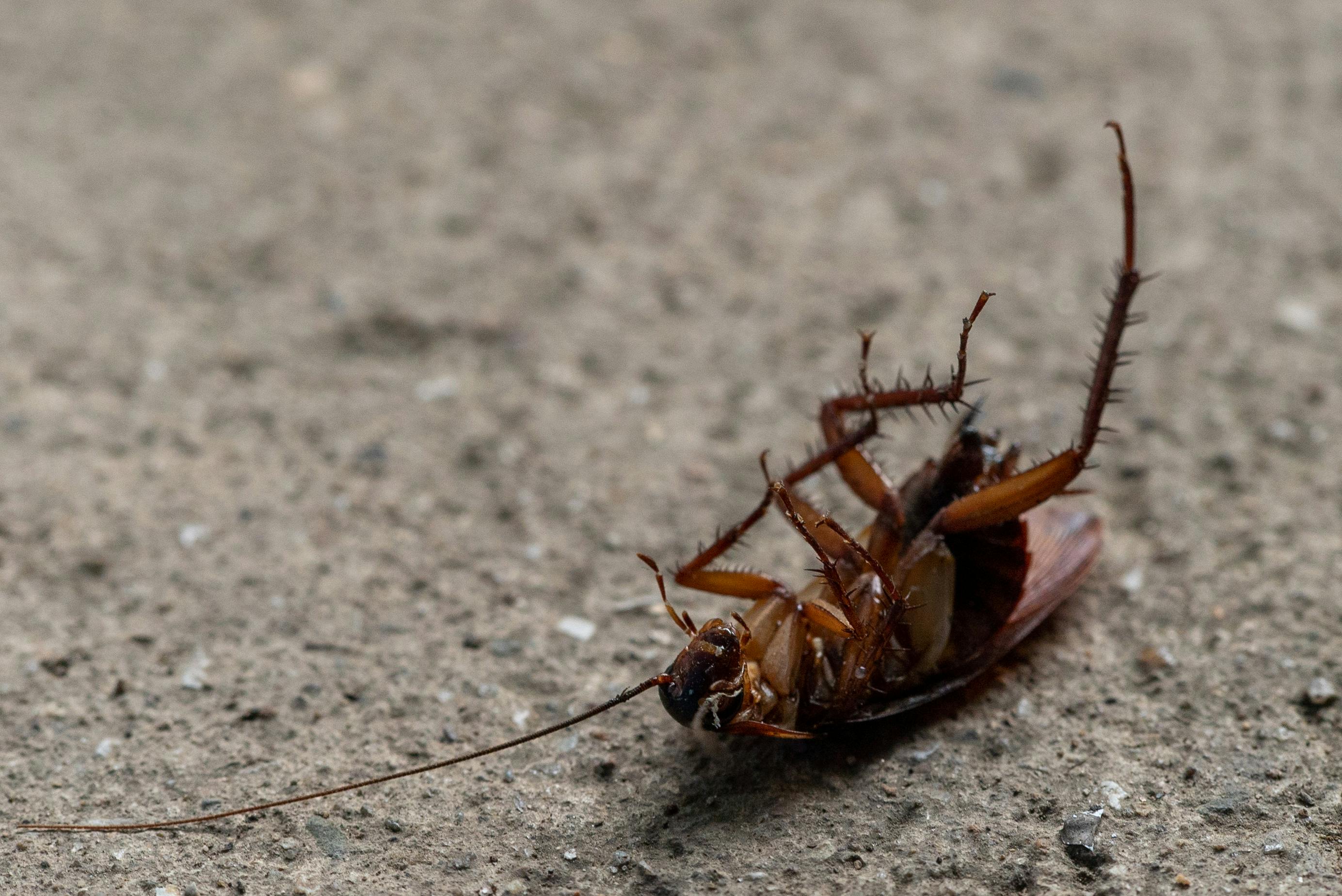
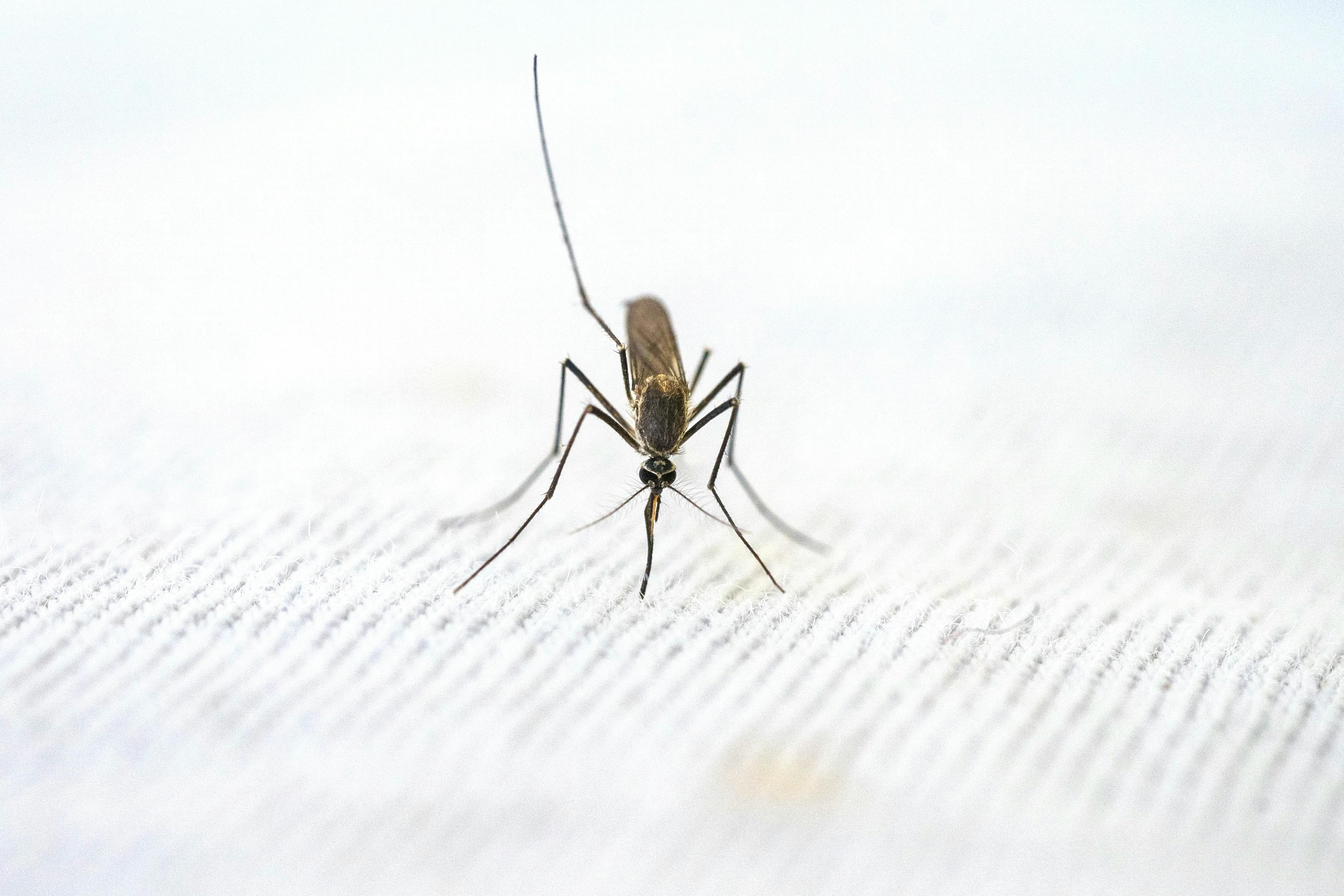
Lancaster property owners most commonly encounter German cockroaches and American roaches (palmetto bugs), especially in kitchens, bathrooms, and utility areas. Fire ants are widespread in yards and along foundations, while subterranean termites are a persistent concern due to the region's soil and moisture conditions. Rodents — primarily roof rats and Norway rats — tend to seek shelter indoors when temperatures drop. Mosquitoes are a seasonal nuisance from spring through fall, and spiders (including brown recluse) are common in garages, attics, and undisturbed storage areas. Bed bugs appear periodically in multi-family housing and hospitality settings.
Areas & Neighborhoods Served
Coverage across the neighborhoods, corridors, and nearby communities property owners most often ask about in Lancaster.
Service Area Zip Codes
Local Considerations
Lancaster's Historic Downtown features older commercial and residential buildings where structural pest issues can be more complex. Newer residential developments on the edges of town tend to face different challenges, often related to construction-phase pest intrusion and landscaping that brings pests close to foundations. Areas near creeks and greenbelts see heavier mosquito and rodent activity due to standing water and natural harborage.
Pest Control Guides for Lancaster
Different situations call for different information. Choose a guide based on what you need right now.
Emergency Situations
Urgent help when every minute counts.
Get Emergency HelpPricing & Cost Factors
Understand fair costs and pricing.
View Pricing GuideAvoid Scams
Protect yourself from common fraud.
Read Protection GuidePermits & Compliance
Local rules and requirements.
Check RequirementsNext Steps
If you're dealing with a sudden or severe infestation that needs immediate attention, the emergency page covers urgent situations and rapid response options. For questions about costs, treatment plans, and what goes into a typical estimate, the pricing page offers a helpful overview. Those concerned about consumer protection, deceptive practices, or knowing what to watch for when hiring should visit the scams page. And if you're wondering about compliance requirements for commercial properties or multi-family housing, the permits page outlines what's typically involved.
Residential & Commercial Pest Control Work
Professional residential & commercial pest control services in Lancaster

Residential & Commercial Pest Control Services
Residential & Commercial Pest Control Services
Residential & Commercial Pest Control Services

Residential & Commercial Pest Control Services
Find a Residential & Commercial Pest Control Pro in Lancaster
Connect with verified local professionals who understand your specific needs.