
Pest Control in Hungerford, TX: A Local Guide for Homeowners & Businesses
Whether you're dealing with an active infestation or looking to prevent one, connect with local pest control providers who know the area.
📞How Matching Works in Hungerford
Share Your Need
Select the specific service or issue you need help with.
Get Matched
We identify local professionals in our network who handle that service.
Compare Options
Review your matches and decide on the best provider for you.
Complete Residential & Commercial Pest Control Solutions
Professional services tailored to Hungerford residents and businesses
Why Choose Our Residential & Commercial Pest Control
Trusted by Hungerford homeowners and businesses
Thorough Home Inspection
Technicians identify entry points, nesting areas, and conditions attracting pests before treating.
Targeted, Safer Treatments
Precision applications and IPM methods reduce pests while minimizing exposure for families and pets.
Fast Scheduling Options
Same-week appointments available to stop active infestations before they spread further.
Prevention & Exclusion Tips
Get practical steps to seal gaps, reduce moisture, and keep pests from returning.
Clear Plan & Pricing
Upfront estimates with a written treatment plan, so you know what’s included and why.
Follow-Up When Needed
Ongoing monitoring and return visits help ensure long-lasting control for tough infestations.
Comprehensive Service Overview
For most properties in Hungerford, pest control involves a combination of inspection, targeted treatment, and ongoing prevention. Technicians begin by identifying entry points, nesting areas, and conditions that are drawing pests in — things like standing water, food sources, or structural gaps that make it easy for pests to move indoors.
Treatment approaches vary depending on the pest. For fire ants, which are especially common across Wharton County, mound treatments and baiting systems are often used. Cockroaches and pantry pests may require targeted interior applications, while rodents call for exclusion work and trap placement. Termite protection — particularly for older homes with wood foundations or crawl spaces — often involves soil treatments or baiting systems designed to create a protective barrier around the structure.
One approach that’s gained traction locally is integrated pest management (IPM), which focuses on using the least invasive methods first. This might mean sealing cracks, addressing moisture issues, or modifying landscaping before applying treatments. The goal is to reduce pests while minimizing exposure for families, pets, and beneficial insects.
For businesses — particularly restaurants and food service operations in the area — pest control often involves more frequent monitoring and documentation to meet health code requirements. Property managers and landlords also commonly arrange regular treatments to keep units pest-free between tenants.
After initial treatment, follow-up visits are typically scheduled to monitor progress and re-treat if needed. Many providers offer ongoing monitoring programs that catch problems early, before they turn into full-blown infestations. Prevention advice — like keeping kitchens clean, sealing entry points, and reducing moisture — is often a standard part of the service.
★ Why Choose a Local Pro?
Hungerford’s mix of older homes, rural properties, and nearby farmland means pest pressures can vary significantly from one property to the next. A home near the school zone might deal with different pests than a property on the outskirts with acreage. This is why working with providers who understand the local landscape matters.
Licensing and insurance are important considerations when choosing pest control help. In Texas, pest control applicators must be licensed through the Texas Department of Agriculture, and many providers carry liability insurance — something worth verifying before treatment begins. Local experience also matters. Providers who regularly work in Wharton County are familiar with the specific pest patterns, seasonal shifts, and housing types found here.
Beyond licensing, it’s worth considering how a provider approaches the initial inspection and treatment plan. A thorough walk-through, clear communication about what’s being treated and why, and a plan that fits your specific situation — these are signs of a thoughtful, professional approach that takes local conditions into account.
Local Advantage
- ✓ Faster Response Times
- ✓ Knowledge of Local Codes
- ✓ Community Accountability
Local Residential & Commercial Pest Control in Hungerford
Understanding the specific needs and challenges of properties in the Hungerford area.
Regional Characteristics
Hungerford sits in the heart of Wharton County, part of the Texas Coastal Plains where the landscape is largely flat with rich agricultural soil. The climate is humid subtropical — hot summers, mild winters, and plenty of rainfall that keeps vegetation dense year-round. Housing here is a mix of older frame homes, ranch-style houses, and mobile homes, often set on larger lots with mature trees and outbuildings. Newer subdivisions are less common, with much of the area remaining rural or semi-rural. This combination of climate and land use creates consistent pest pressure, particularly for fire ants, termites, and moisture-dependent pests.
Common Issues
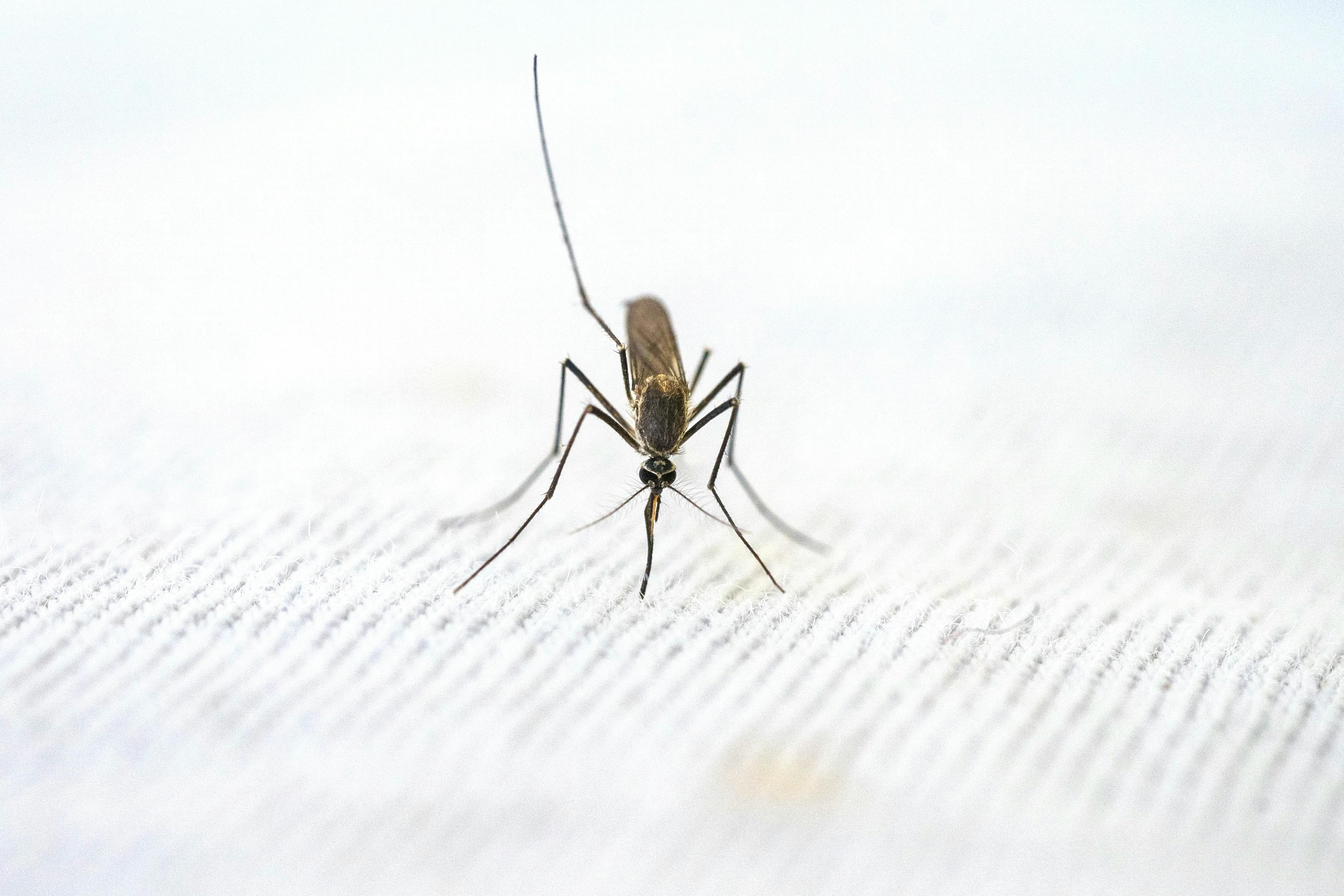
Fire ants are the most widespread and persistent pest across Hungerford and Wharton County, with mounds appearing in lawns, pastures, and along foundations. Termites — especially subterranean species — are a significant concern for older homes and any structure with wood-to-soil contact. Cockroaches (German and American varieties), mosquitoes, spiders, and rodents are common year-round. Seasonal shifts often bring additional pressures, such as increased rodent activity in cooler months and higher mosquito populations after heavy rains. Businesses, particularly restaurants and food-handling facilities, face added scrutiny around pest prevention for health code compliance.
Areas & Neighborhoods Served
Coverage across the neighborhoods, corridors, and nearby communities property owners most often ask about in Hungerford.
Service Area Zip Codes
Local Considerations
The community centers around the Hungerford area along Highway 60, with the school zone, post office, and community buildings serving as local landmarks. Much of the surrounding land is dedicated to agriculture, including row crops and cattle operations. The proximity to the San Bernard River and surrounding bottomlands contributes to higher moisture and pest pressures in certain areas.
Pest Control Guides for Hungerford
Different situations call for different information. Choose a guide based on what you need right now.
Emergency Situations
Urgent help when every minute counts.
Get Emergency HelpPricing & Cost Factors
Understand fair costs and pricing.
View Pricing GuideAvoid Scams
Protect yourself from common fraud.
Read Protection GuidePermits & Compliance
Local rules and requirements.
Check RequirementsNext Steps
If your situation involves immediate health or safety concerns — like a severe infestation or a pest that poses a danger — the emergency response page can help you connect with providers who address urgent situations. For questions about treatment costs and what typically goes into pricing, the pricing page offers a helpful overview. To learn about consumer protections and how to avoid questionable practices, the scams awareness page provides practical guidance. And if you’re wondering about permits or regulatory requirements, the permits page can clarify what’s typically needed.
Residential & Commercial Pest Control Work
Professional residential & commercial pest control services in Hungerford

Residential & Commercial Pest Control Services

Residential & Commercial Pest Control Services
Residential & Commercial Pest Control Services

Residential & Commercial Pest Control Services
Find a Residential & Commercial Pest Control Pro in Hungerford
Connect with verified local professionals who understand your specific needs.