
Pest Control in Denver City, TX: A Local Guide
Whether it's ants in the kitchen or rodents in the attic, getting ahead of pests in Denver City means understanding what's actually drawing them in — and who can help.
📞How Matching Works in Denver City
Share Your Need
Select the specific service or issue you need help with.
Get Matched
We identify local professionals in our network who handle that service.
Compare Options
Review your matches and decide on the best provider for you.
Complete Residential & Commercial Pest Control Solutions
Professional services tailored to Denver City residents and businesses
Why Choose Our Residential & Commercial Pest Control
Trusted by Denver City homeowners and businesses
Thorough Home Inspection
Technicians identify entry points, nesting areas, and conditions attracting pests before treating.
Targeted, Safer Treatments
Precision applications and IPM methods reduce pests while minimizing exposure for families and pets.
Fast Scheduling Options
Same-week appointments available to stop active infestations before they spread further.
Prevention & Exclusion Tips
Get practical steps to seal gaps, reduce moisture, and keep pests from returning.
Clear Plan & Pricing
Upfront estimates with a written treatment plan, so you know what’s included and why.
Follow-Up When Needed
Ongoing monitoring and return visits help ensure long-lasting control for tough infestations.
Comprehensive Service Overview
Pest control in Denver City typically begins with a thorough inspection — not just a quick spray-and-go. Because the region's pest pressures are heavily influenced by the surrounding agricultural land, oil field activity, and the age of local housing, a targeted approach makes a real difference.
What to expect from a pest control visit in Denver City:
Inspection first. Before any treatment happens, someone trained in local pest behavior will walk through the property — inside and out — looking for entry points, nesting areas, moisture problems, and conditions that attract pests. In older Denver City homes, that might mean checking crawl spaces and attic vents. In commercial spaces, it often means looking at storage areas, dumpster zones, and kitchen drains.
Identification matters. Not every pest responds to the same treatment. A brown recluse problem requires a different strategy than fire ants in the yard or roaches behind the fridge. Proper identification ensures the approach matches the pest.
IPM methods. Integrated Pest Management (IPM) is the standard approach in the area. It focuses on targeted, low-odor applications and non-chemical strategies — sealing cracks, removing harborage, and fixing moisture issues — before reaching for pesticides. This keeps treatment safer for families, pets, and employees.
Follow-up and prevention. One visit often isn't enough for persistent issues. Many providers offer return visits to monitor progress, re-treat if needed, and help you keep things from coming back. Practical prevention steps — like sealing gaps around pipes, trimming vegetation away from foundations, and managing indoor humidity — are part of the long-term picture.
Same-week availability. Because pest problems don't wait, same-week appointments are common for active infestations that need immediate attention. An upfront estimate and written plan help you understand what's being done and why.
★ Why Choose a Local Pro?
Pest pressures vary dramatically from one Texas town to the next, which is why local familiarity matters in Denver City. A provider who knows the area understands that a house on the older side of town may need a completely different treatment approach than a commercial kitchen near Highway 214.
Local licensing requirements through the Texas Department of Agriculture ensure that anyone applying pesticides in the state carries proper certification. That's an important layer of accountability — but it's only part of the picture. What really makes a difference is someone who's familiar with the specific pests, housing styles, and seasonal patterns common to Yoakum County.
Whether it's knowing that rodent pressure often spikes after harvest season in nearby fields, or recognizing that certain neighborhoods have a history of termite activity, local knowledge helps avoid guesswork. That's why taking the time to compare local providers — and confirming they're licensed and insured — is a smart step before scheduling any treatment.
Local Advantage
- ✓ Faster Response Times
- ✓ Knowledge of Local Codes
- ✓ Community Accountability
Local Residential & Commercial Pest Control in Denver City
Understanding the specific needs and challenges of properties in the Denver City area.
Regional Characteristics
Denver City sits in the South Plains region of West Texas, where the landscape is flat, dry, and dominated by agriculture and oil production. The climate is semi-arid, with hot summers, mild winters, and very little rainfall — conditions that drive pests indoors when temperatures spike or drop. Many homes in the area were built during the oil booms of the mid-20th century and feature pier-and-beam foundations, older framing, and crawl spaces that provide easy access for rodents and insects. Newer developments tend to use slab foundations, which shift the type of pest pressures. The surrounding farmland and open fields create a constant source of pest populations that push toward residential and commercial properties, especially during dry spells or after irrigation cycles.
Common Issues
Homeowners and property managers in Denver City commonly encounter ants (including fire ants and carpenter ants), German cockroaches, brown recluse spiders, roof rats, field mice, subterranean termites, and occasional scorpions. Seasonal shifts — particularly the transition from summer heat to fall cooling — often drive pests inside looking for food, water, and shelter. Restaurants and commercial kitchens face recurring pressure from roaches and flies, while older homes with wooden siding and crawl spaces are more vulnerable to termite activity and rodent nesting.
Areas & Neighborhoods Served
Coverage across the neighborhoods, corridors, and nearby communities property owners most often ask about in Denver City.
Service Area Zip Codes
Local Considerations
The downtown corridor and older residential blocks near the original town center have aging housing stock with more gaps and entry points. Newer subdivisions on the fringe of town tend to have tighter construction but face pressure from adjacent open fields. Properties near the oil field areas sometimes contend with increased rodent activity linked to nearby industrial activity and disturbed land.
Pest Control Guides for Denver City
Different situations call for different information. Choose a guide based on what you need right now.
Emergency Situations
Urgent help when every minute counts.
Get Emergency HelpPricing & Cost Factors
Understand fair costs and pricing.
View Pricing GuideAvoid Scams
Protect yourself from common fraud.
Read Protection GuidePermits & Compliance
Local rules and requirements.
Check RequirementsNext Steps
If you're dealing with a sudden, active infestation that needs immediate attention — like roaches or rodents actively moving through the property — the emergency page outlines what to do next. For questions about costs and treatment plan options, the pricing page provides helpful context on what influences estimates. If you're concerned about consumer protection or questionable business practices, the scams page covers what to watch for. And if you're a property owner needing to understand local requirements, the permits page explains compliance considerations. Choose the path that fits your situation.
Residential & Commercial Pest Control Work
Professional residential & commercial pest control services in Denver City

Residential & Commercial Pest Control Services
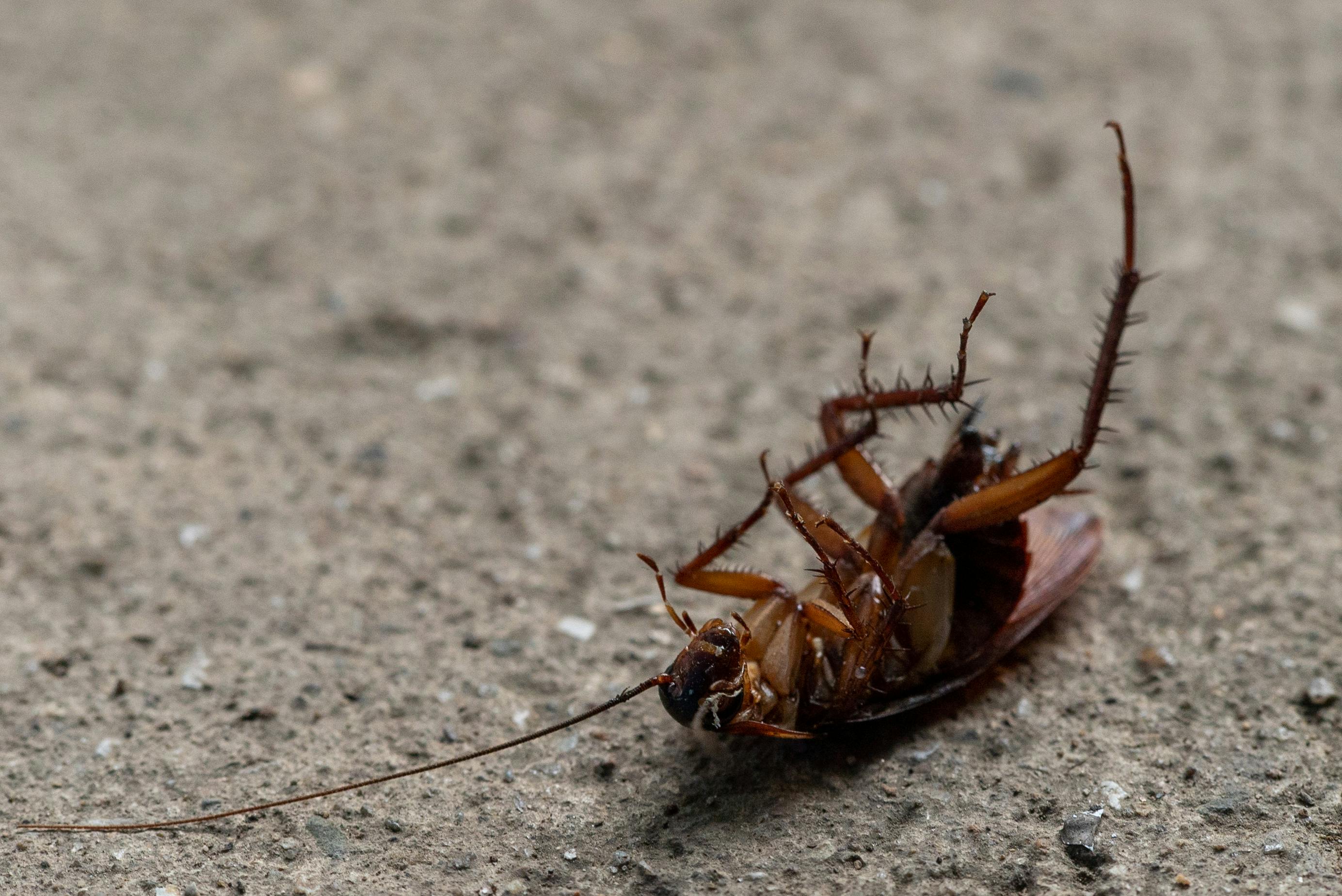
Residential & Commercial Pest Control Services
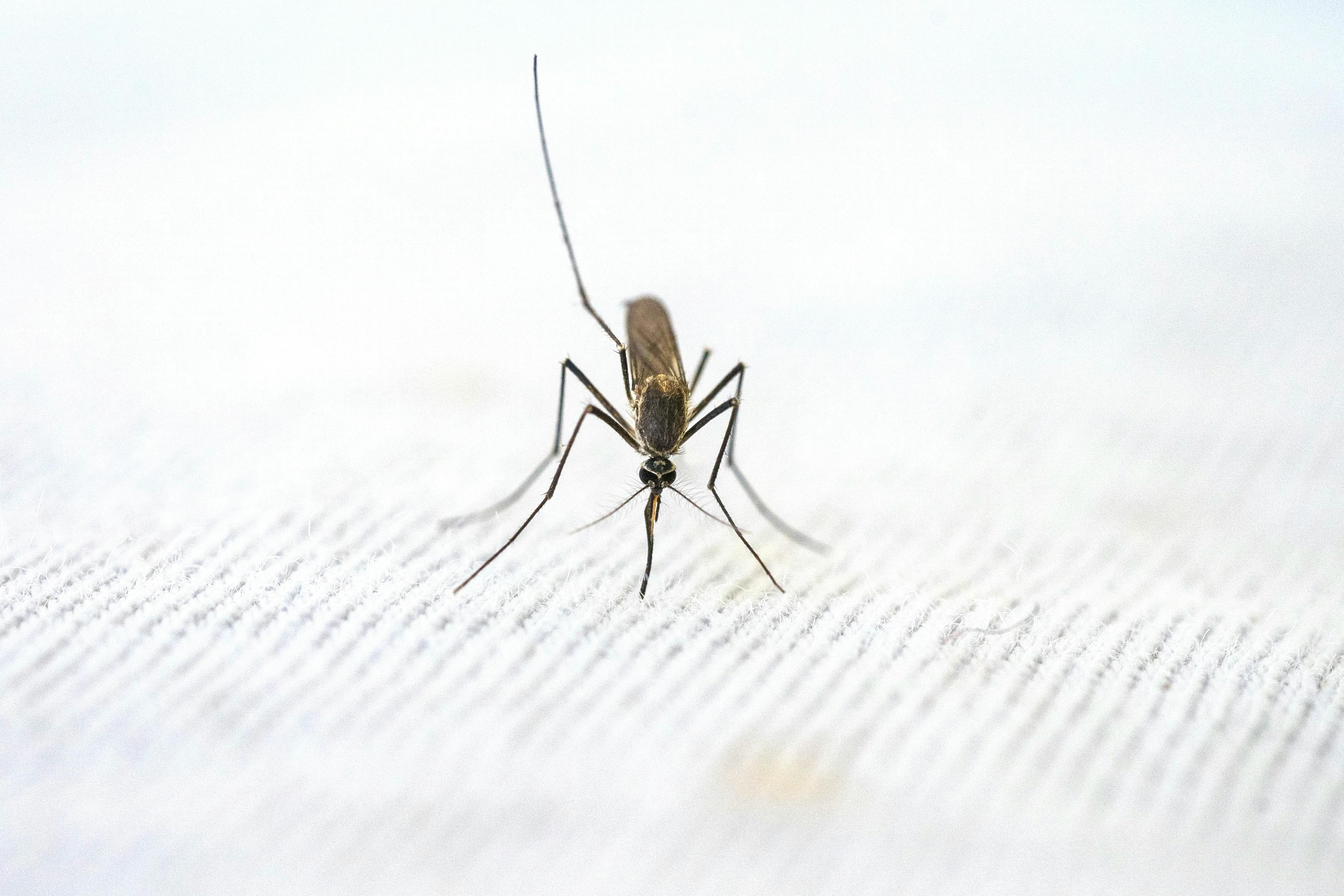
Residential & Commercial Pest Control Services

Residential & Commercial Pest Control Services
Find a Residential & Commercial Pest Control Pro in Denver City
Connect with verified local professionals who understand your specific needs.