
Mold Remediation in Dayton, TX: What Homeowners Should Know
If you're noticing musty odors, visible growth, or recent water damage, addressing it sooner can help protect your property and indoor air quality. Connect with local mold remediation professionals to assess the situation and discuss your options.
📞Comprehensive Service Overview
Mold remediation in Dayton is about more than just scrubbing away visible growth. Because of the region's humidity and seasonal rainfall, the real work lies in finding and fixing the moisture source so the problem doesn't return.
A thorough remediation process typically begins with a detailed inspection to identify where moisture is coming from — whether that's a slow plumbing leak, roof damage, poor drainage around the foundation, or simply condensation from high humidity. Once the source is understood, the affected area is contained using physical barriers and negative air pressure to prevent mold spores from traveling to other parts of the home during cleanup.
Depending on the extent of the growth, affected materials may be removed (such as drywall, insulation, or flooring) or treated with industry-standard antimicrobial solutions. Throughout the process, HEPA filtration and careful disposal methods help keep the work area clean and contained.
After removal and treatment, the space is dried thoroughly using commercial dehumidifiers and air movers. A key part of the process is post-remediation verification — often including visual inspection and sometimes clearance testing — to confirm the area is properly addressed.
Homeowners typically receive a written scope of work, photo documentation of what was found and done, and guidance on any repairs or preventive steps needed afterward. This documentation can also be helpful for insurance purposes if moisture damage is part of a covered claim.
Remediation projects in Dayton can range from small, contained areas in bathrooms or kitchens to larger efforts involving attics, crawl spaces, or entire floors after flooding. The approach always depends on the specific conditions found.
★ Why Choose a Local Pro?
Mold behaves differently depending on climate, building materials, and construction styles — which is why a local perspective matters. Homes in Dayton face different moisture challenges than those in drier parts of Texas or the country. The combination of Gulf Coast humidity, seasonal storms, and local building practices means that effective remediation requires familiarity with what's typical for this area.
Licensing requirements for mold remediation professionals can vary by state and locality, so it's worth confirming that any provider you're considering meets applicable standards. Professionals working in this area are generally familiar with the housing stock common to Liberty County — from older homes with original construction to newer energy-efficient builds — and understand how different materials respond to moisture and treatment methods.
Because every property is unique, a thorough assessment of your specific situation is the most reliable way to determine the right approach. What works for one home may not be appropriate for another, even on the same street.
Local Advantage
- ✓ Faster Response Times
- ✓ Knowledge of Local Codes
- ✓ Community Accountability
Local Mold Remediation in Dayton
Understanding the specific needs and challenges of properties in the Dayton area.
Regional Characteristics
Dayton sits in Liberty County, part of the humid subtropical Gulf Coast region. The area experiences hot, humid summers and mild winters, with significant rainfall throughout the year. Housing stock varies from older homes in established neighborhoods to newer subdivisions on the outskirts. Many properties are built on slab foundations, and crawl spaces are less common here than in other parts of the country. The proximity to the Trinity River and several bayous means some areas are naturally more prone to moisture concerns.
Common Issues
High indoor humidity levels, condensation in attics and around HVAC systems, leaky roofs or plumbing, storm-related water intrusion, and poor ventilation in bathrooms and kitchens are frequent contributors to mold growth in the area. Older homes may have hidden leaks behind walls, while newer construction can sometimes trap moisture due to tighter building envelopes.
Areas & Neighborhoods Served
Coverage across the neighborhoods, corridors, and nearby communities property owners most often ask about in Dayton.
Service Area Zip Codes
Local Considerations
The historic downtown area features older commercial and residential buildings with their own unique maintenance considerations, while newer developments along the Highway 90 corridor reflect modern construction practices. Suburban subdivisions and mixed-use areas each present different patterns of moisture management and mold prevention.
How Matching Works in Dayton
Share Your Need
Select the specific service or issue you need help with.
Get Matched
We identify local professionals in our network who handle that service.
Compare Options
Review your matches and decide on the best provider for you.
Why Choose Our Mold Remediation
Trusted by Dayton homeowners and businesses
Moisture Source Detection
We locate the leak or humidity source so mold doesn’t return after cleanup.
Containment & HEPA Filtration
Proper barriers and negative air pressure reduce cross-contamination during removal.
Safe Removal & Cleaning
Affected materials are removed or treated using industry-standard methods and antimicrobial solutions.
Clear Scope & Documentation
Get a written plan, photo evidence, and guidance for repairs and prevention.
Complete Mold Remediation Solutions
Professional services tailored to Dayton residents and businesses
Mold Remediation Guides for Dayton
Different situations call for different information. Choose a guide based on what you need right now.
Emergency Situations
Urgent help when every minute counts.
Get Emergency HelpPricing & Cost Factors
Understand fair costs and pricing.
View Pricing GuideAvoid Scams
Protect yourself from common fraud.
Read Protection GuidePermits & Compliance
Local rules and requirements.
Check RequirementsNext Steps
Depending on your situation, different resources may be helpful. If you're dealing with active water intrusion or widespread growth that needs urgent attention, the emergency page outlines what to do in pressing situations. For questions about typical project costs and what influences pricing, the pricing page offers general guidance. If you're concerned about protecting yourself when hiring a provider, the scams page covers common red flags to watch for. And for questions about local regulations or permit requirements, the permits page provides helpful context.
Mold Remediation Work
Professional mold remediation services in Dayton
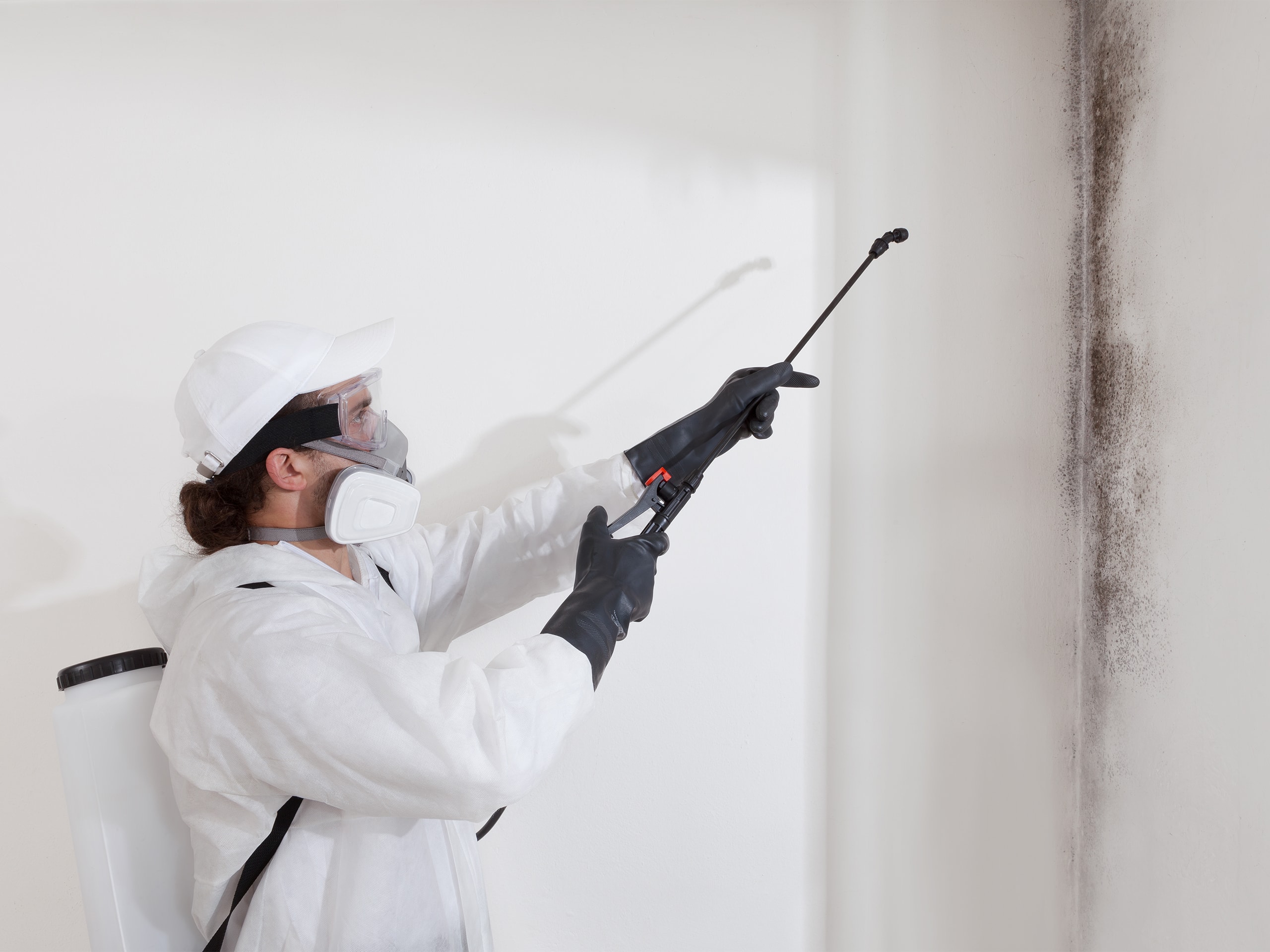
mold remediation
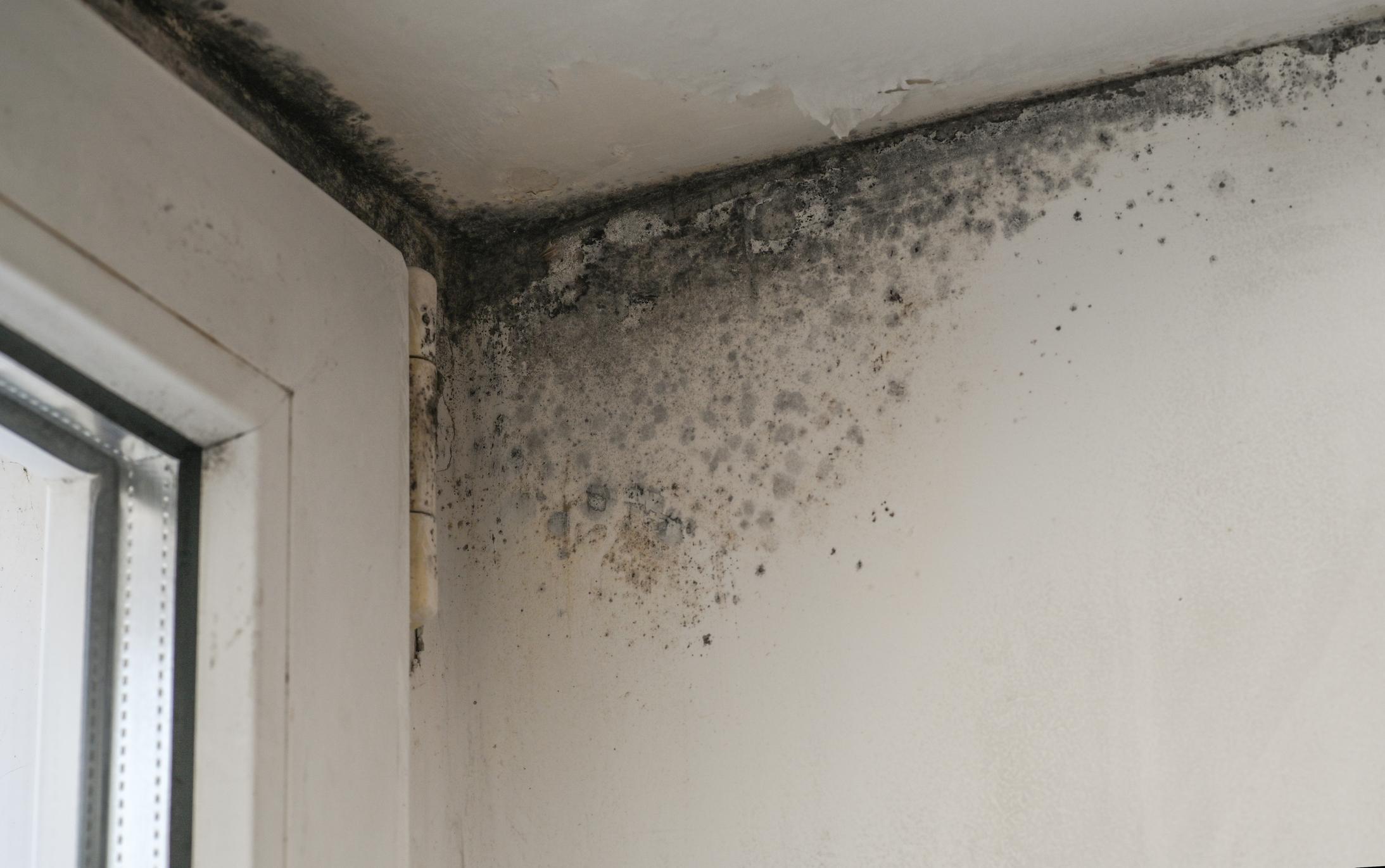
mold removal
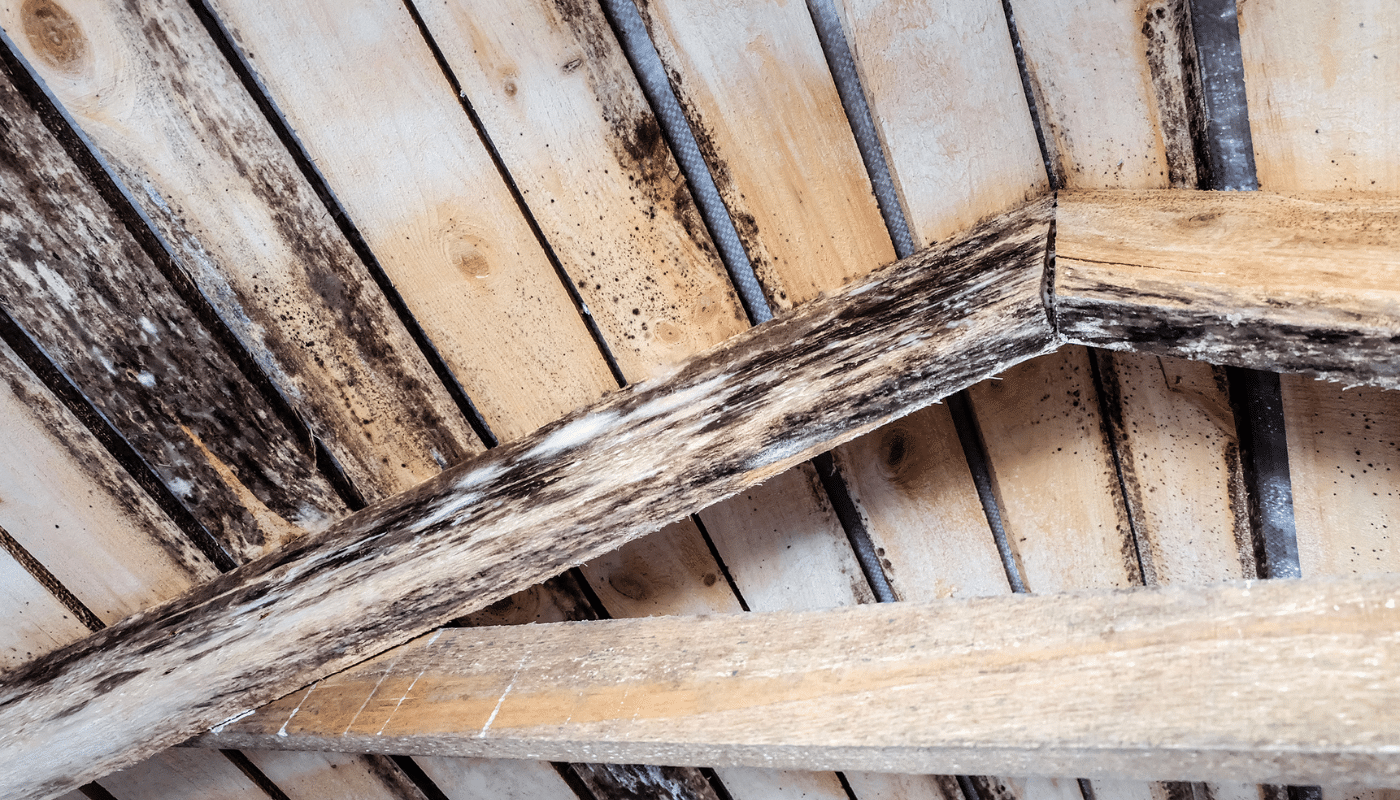
black mold removal
mold inspection
Find a Mold Remediation Pro in Dayton
Connect with verified local professionals who understand your specific needs.