
What Dallas Homeowners Should Know About Mold Remediation
Mold issues don't improve on their own — they tend to spread if moisture isn't addressed. Connect with local Dallas-area professionals who can help assess the situation.
📞Comprehensive Service Overview
Mold remediation in Dallas typically involves a structured process that goes far beyond simple cleaning. The goal is to address both the visible growth and the underlying moisture issue that allowed it to develop in the first place.
Identifying the moisture source is usually the first priority. Whether it's a leaky roof after a spring storm, a slow plumbing leak behind a wall, condensation from an attic HVAC unit, or groundwater seeping through a foundation crack — the source needs to be located and stopped before any cleanup begins. Without this step, mold often returns quickly, sometimes within weeks.
Containment and air quality control are established next. Physical barriers and negative air pressure equipment with HEPA filtration help prevent mold spores from migrating to unaffected areas during the removal process. This is especially important in multi-room homes or attached dwellings where cross-contamination is a real concern.
Removal and treatment involves carefully taking out materials that can't be salvaged — such as saturated drywall, insulation, or carpet — and treating wood framing and other structural surfaces with industry-standard antimicrobial solutions. In Dallas homes, HVAC ductwork and equipment sometimes require attention if mold has circulated through the air handling system.
Drying, dehumidification, and verification follow. Thorough drying is critical in Dallas's humid climate, where residual moisture can quickly lead to regrowth. Many remediation projects include post-work verification, sometimes called clearance testing, to confirm that conditions have returned to normal.
Throughout the process, documentation plays a helpful role. A written scope of work, photo records of affected areas and completed remediation, and guidance for any necessary repairs can be valuable — particularly for homeowners coordinating with insurance or preparing for future real estate transactions.
★ Why Choose a Local Pro?
Mold remediation approaches can vary depending on local conditions, and Dallas presents its own set of considerations. The clay-heavy soils common across North Texas affect how moisture moves around foundations. The region's extended humid season means drying timelines may differ from other parts of the country. And the variety of housing stock — from early 20th-century frame homes to modern energy-efficient builds — means each property may require a different approach.
Texas has established licensing requirements for mold remediation through the Texas Department of Licensing and Regulation (TDLR), which sets standards for assessors and remediators. Understanding these credentials can help homeowners evaluate qualifications.
What works for a newer suburban home with a slab foundation may not be appropriate for a 1920s Oak Cliff cottage with a pier-and-beam setup. A thoughtful approach considers the specific characteristics of each property rather than applying a one-size-fits-all solution — which is why local familiarity with Dallas housing patterns and climate conditions matters.
Local Advantage
- ✓ Faster Response Times
- ✓ Knowledge of Local Codes
- ✓ Community Accountability
Local Mold Remediation in Dallas
Understanding the specific needs and challenges of properties in the Dallas area.
Regional Characteristics
Dallas features a blend of historic neighborhoods with homes dating back to the early 1900s and rapidly growing suburban developments. The city sits on relatively flat terrain with expansive clay soils that can shift with moisture changes. Housing stock varies widely — from pier-and-beam foundations in older districts to modern slab-on-grade construction in newer areas. The climate brings hot, humid summers and seasonal storms, creating conditions where moisture intrusion and humidity buildup are common concerns for homeowners.
Common Issues
Homeowners in Dallas frequently encounter mold issues stemming from roof leaks after storms, plumbing failures in aging infrastructure, condensation buildup in HVAC systems, and moisture wicking through foundation materials. Bathroom ventilation, attic moisture, and humidity in crawlspaces or basements are recurring challenges across many home types throughout the area.
Areas & Neighborhoods Served
Coverage across the neighborhoods, corridors, and nearby communities property owners most often ask about in Dallas.
Service Area Zip Codes
Local Considerations
From the older neighborhoods surrounding downtown to the master-planned communities on the city's edges, Dallas offers a wide range of housing that each presents unique considerations for moisture management. Areas near the Trinity River and around White Rock Lake may have different soil conditions and drainage patterns compared to other parts of the city, influencing how water behaves around foundations and structures.
How Matching Works in Dallas
Share Your Need
Select the specific service or issue you need help with.
Get Matched
We identify local professionals in our network who handle that service.
Compare Options
Review your matches and decide on the best provider for you.
Why Choose Our Mold Remediation
Trusted by Dallas homeowners and businesses
Moisture Source Detection
We locate the leak or humidity source so mold doesn’t return after cleanup.
Containment & HEPA Filtration
Proper barriers and negative air pressure reduce cross-contamination during removal.
Safe Removal & Cleaning
Affected materials are removed or treated using industry-standard methods and antimicrobial solutions.
Clear Scope & Documentation
Get a written plan, photo evidence, and guidance for repairs and prevention.
Complete Mold Remediation Solutions
Professional services tailored to Dallas residents and businesses
Mold Remediation Guides for Dallas
Different situations call for different information. Choose a guide based on what you need right now.
Emergency Situations
Urgent help when every minute counts.
Get Emergency HelpPricing & Cost Factors
Understand fair costs and pricing.
View Pricing GuideAvoid Scams
Protect yourself from common fraud.
Read Protection GuidePermits & Compliance
Local rules and requirements.
Check RequirementsNext Steps
If you're dealing with active water intrusion or visible mold growth that requires prompt attention, the emergency page outlines situations where quick action is typically recommended. For questions about typical cost ranges and what influences pricing locally, the pricing page can help provide context. The scams page offers guidance on consumer protection considerations, and the permits page covers regulatory aspects that may apply to your situation.
Mold Remediation Work
Professional mold remediation services in Dallas
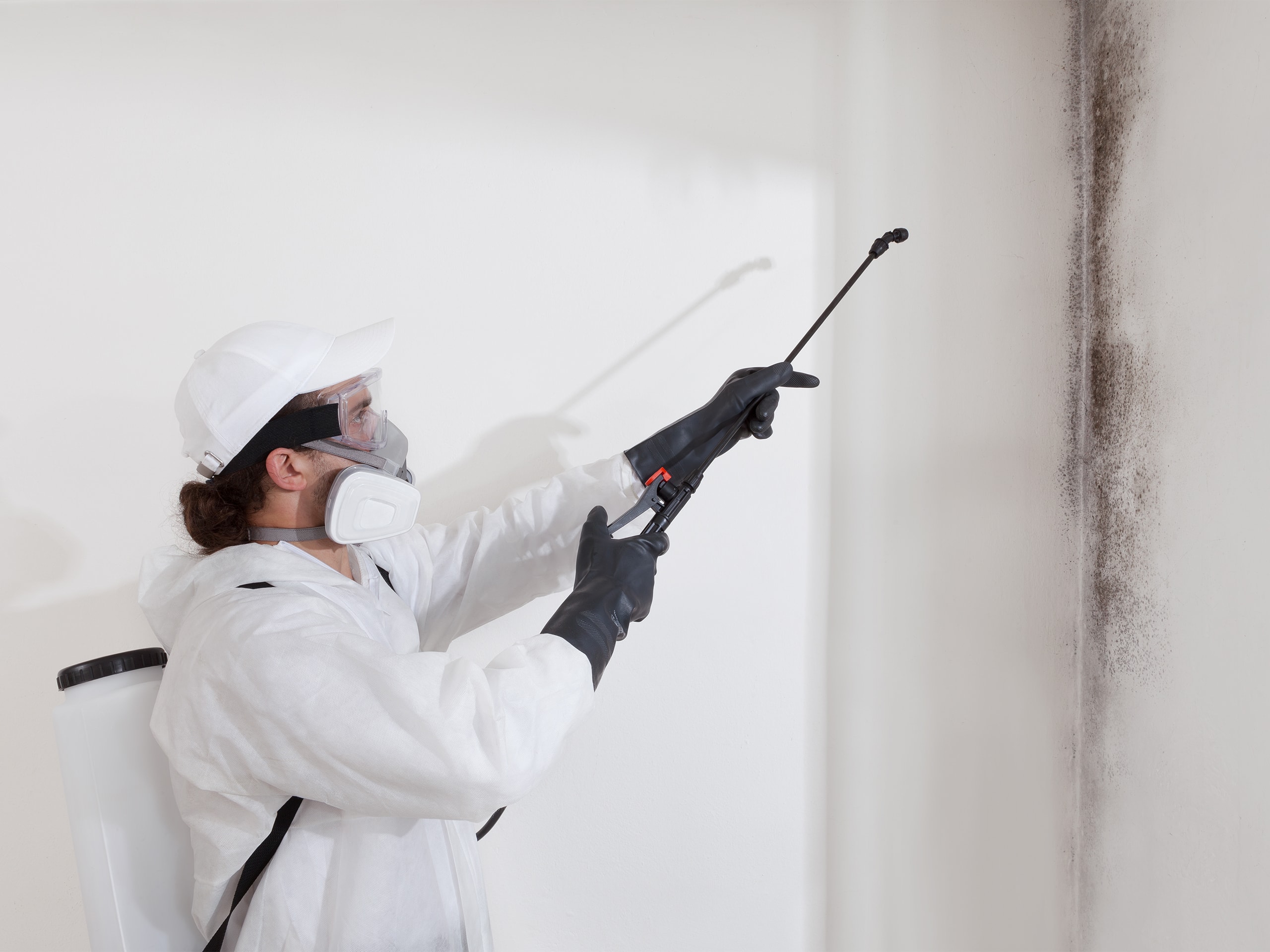
mold remediation
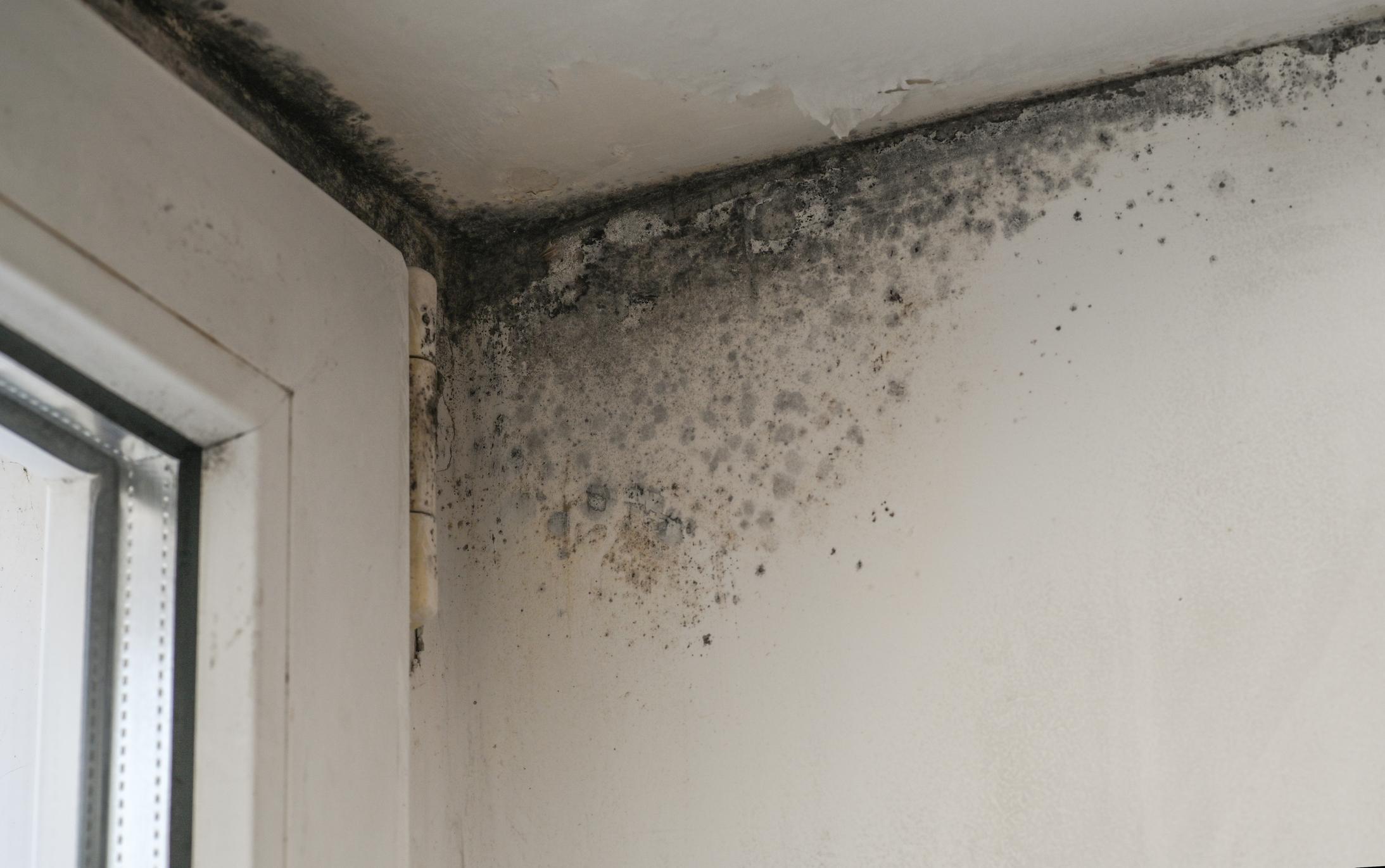
mold removal
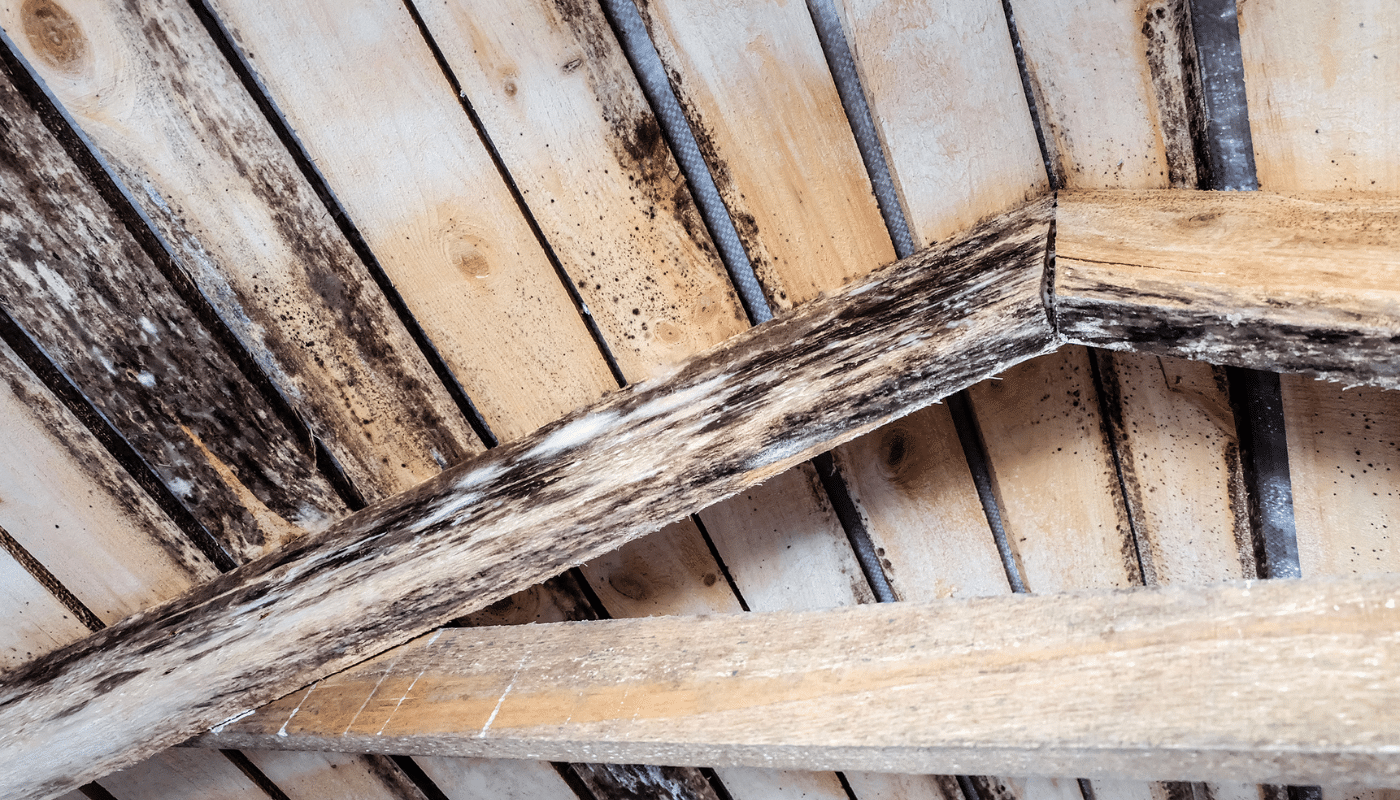
black mold removal
mold inspection
Find a Mold Remediation Pro in Dallas
Connect with verified local professionals who understand your specific needs.