
Understanding Mold Remediation in Albany, TX
Addressing mold early can prevent bigger problems down the road. Get connected with local specialists who understand Albany's unique conditions.
📞Comprehensive Service Overview
Mold remediation in Albany typically follows a structured sequence, though the specifics depend heavily on the type of property and the source of moisture. In most cases, the process begins with a thorough inspection to identify not just visible mold, but the hidden moisture source feeding it — whether that’s a slow plumbing leak, a roof penetration, or poor ventilation in a bathroom or attic.
Once the source is understood, containment becomes a critical next step. In many Albany homes, especially older properties with connected attic spaces or shared ductwork, airborne mold spores can travel easily from one area to another if not properly controlled. Setting up physical barriers and using negative air pressure equipment helps keep affected areas separated from the rest of the living space during removal.
The actual removal process involves carefully extracting affected materials — drywall, insulation, carpet, or wood — and treating remaining surfaces with antimicrobial solutions designed to inhibit future growth. In properties with crawl spaces or older pier-and-beam foundations, additional drying and dehumidification equipment may be necessary to bring moisture levels back to a safe range.
Throughout this process, homeowners can expect a documented plan that outlines what was found, what was removed, what was treated, and what repairs may be needed to prevent recurrence. Photo evidence and a written scope of work provide useful documentation, particularly if insurance coordination becomes relevant.
Post-remediation verification, sometimes called clearance testing, is often recommended to confirm that spore levels have returned to normal ranges before rebuilding or reoccupying the space. This step provides peace of mind and a clear benchmark that the issue has been properly addressed.
★ Why Choose a Local Pro?
Mold behaves differently depending on climate, construction style, and the specific moisture dynamics of a region. What works in a humid coastal environment may not be the right approach in west-central Texas. Local familiarity matters because the condition of homes in Albany varies widely — from historic structures with original materials to modern builds with different ventilation challenges.
Property owners who take the time to understand local factors — like how seasonal weather affects moisture levels, how older foundations respond to rainfall, or what common building materials are prone to mold in this climate — are better equipped to ask informed questions and evaluate options. Licensing requirements for mold remediation in Texas vary, so verifying credentials and understanding what a given scope of work includes is a reasonable step before committing to any course of action.
No two properties are exactly alike, and the right approach depends on the specific conditions at hand. Taking a measured, informed approach — rather than rushing into a quick fix — tends to lead to more lasting results.
Local Advantage
- ✓ Faster Response Times
- ✓ Knowledge of Local Codes
- ✓ Community Accountability
Local Mold Remediation in Albany
Understanding the specific needs and challenges of properties in the Albany area.
Regional Characteristics
Albany sits in Shackelford County in west-central Texas, a region characterized by rolling plains and a semi-arid climate. The housing stock here includes a notable number of older homes — some dating back to the early 1900s — alongside more recently built subdivisions on the outskirts of town. Many older properties feature pier-and-beam foundations, which can create unique moisture dynamics underneath the structure. Newer developments tend to have slab foundations and modern HVAC systems, though improper ventilation can still create condensation issues. The area experiences hot summers, occasional heavy rainfall events, and periods of high humidity that can affect indoor environments.
Common Issues
Homeowners in Albany commonly encounter mold issues related to roof leaks after storm events, plumbing failures in older supply lines, and condensation buildup in unconditioned spaces like attics and crawl spaces. Properties that have experienced any water intrusion — whether from a burst pipe, appliance overflow, or weather-related damage — are at higher risk. Musty odors, visible spotting on walls or ceilings, and allergy-like symptoms among occupants are typical early signs that prompt further investigation.
Areas & Neighborhoods Served
Coverage across the neighborhoods, corridors, and nearby communities property owners most often ask about in Albany.
Service Area Zip Codes
Local Considerations
Much of Albany’s housing is concentrated near the historic downtown square and radiates outward into residential streets with mature trees. Older neighborhoods near the central corridor tend to have the oldest housing stock, while newer construction has expanded toward the edges of town. Understanding where your property falls within these patterns can give useful context when evaluating mold risk.
How Matching Works in Albany
Share Your Need
Select the specific service or issue you need help with.
Get Matched
We identify local professionals in our network who handle that service.
Compare Options
Review your matches and decide on the best provider for you.
Why Choose Our Mold Remediation
Trusted by Albany homeowners and businesses
Moisture Source Detection
We locate the leak or humidity source so mold doesn’t return after cleanup.
Containment & HEPA Filtration
Proper barriers and negative air pressure reduce cross-contamination during removal.
Safe Removal & Cleaning
Affected materials are removed or treated using industry-standard methods and antimicrobial solutions.
Clear Scope & Documentation
Get a written plan, photo evidence, and guidance for repairs and prevention.
Complete Mold Remediation Solutions
Professional services tailored to Albany residents and businesses
Mold Remediation Guides for Albany
Different situations call for different information. Choose a guide based on what you need right now.
Emergency Situations
Urgent help when every minute counts.
Get Emergency HelpPricing & Cost Factors
Understand fair costs and pricing.
View Pricing GuideAvoid Scams
Protect yourself from common fraud.
Read Protection GuidePermits & Compliance
Local rules and requirements.
Check RequirementsNext Steps
Depending on your situation, different resources may be useful. If you’re dealing with active water intrusion or widespread growth affecting your home’s habitability, the emergency page offers guidance on immediate steps. For questions about what mold remediation typically costs in this area, the pricing page provides local context. To learn how to evaluate service providers and avoid common pitfalls, the scams page covers consumer protection considerations. And if you’re curious about local permitting or compliance questions, the permits page offers general direction.
Mold Remediation Work
Professional mold remediation services in Albany
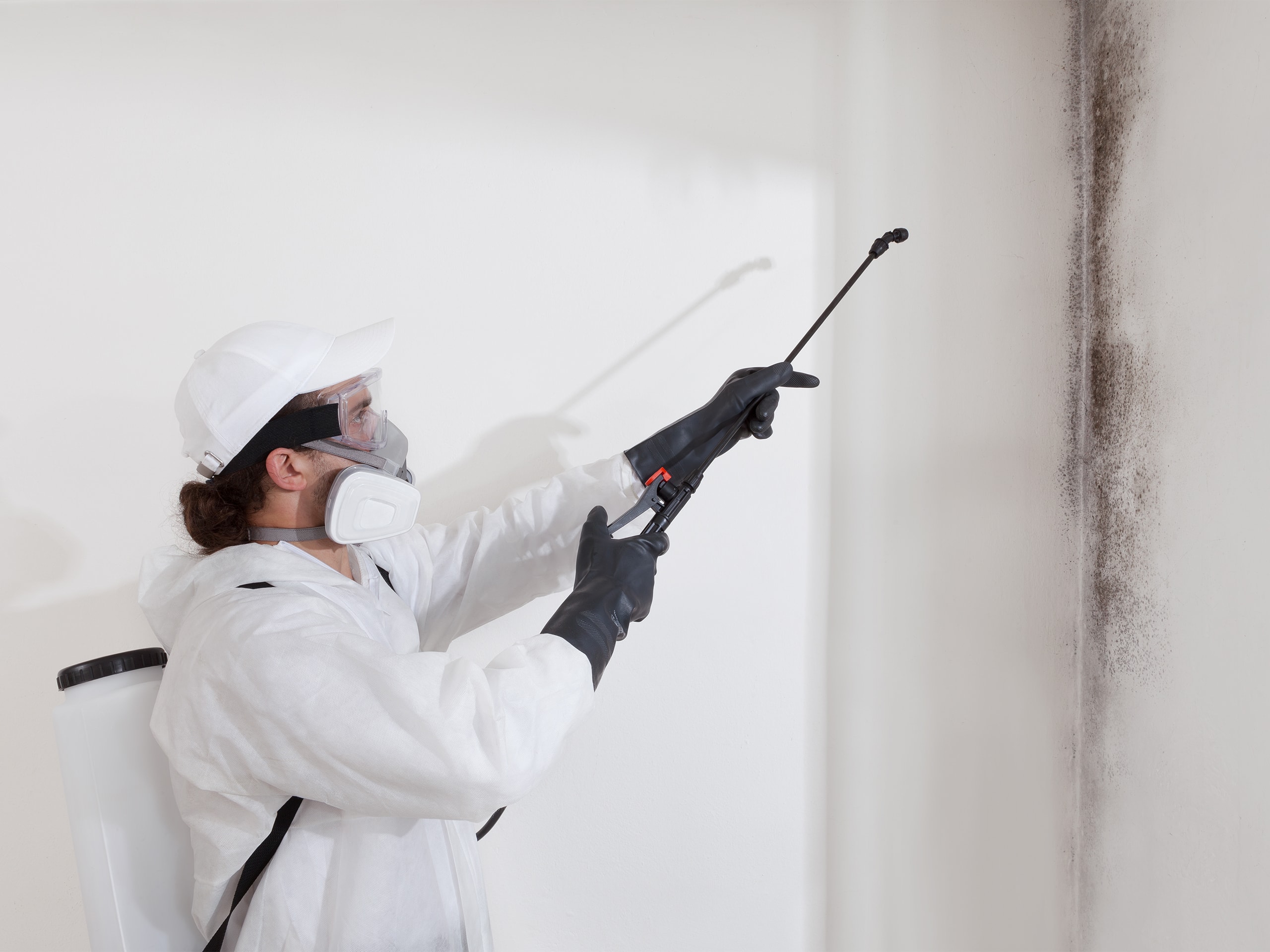
mold remediation
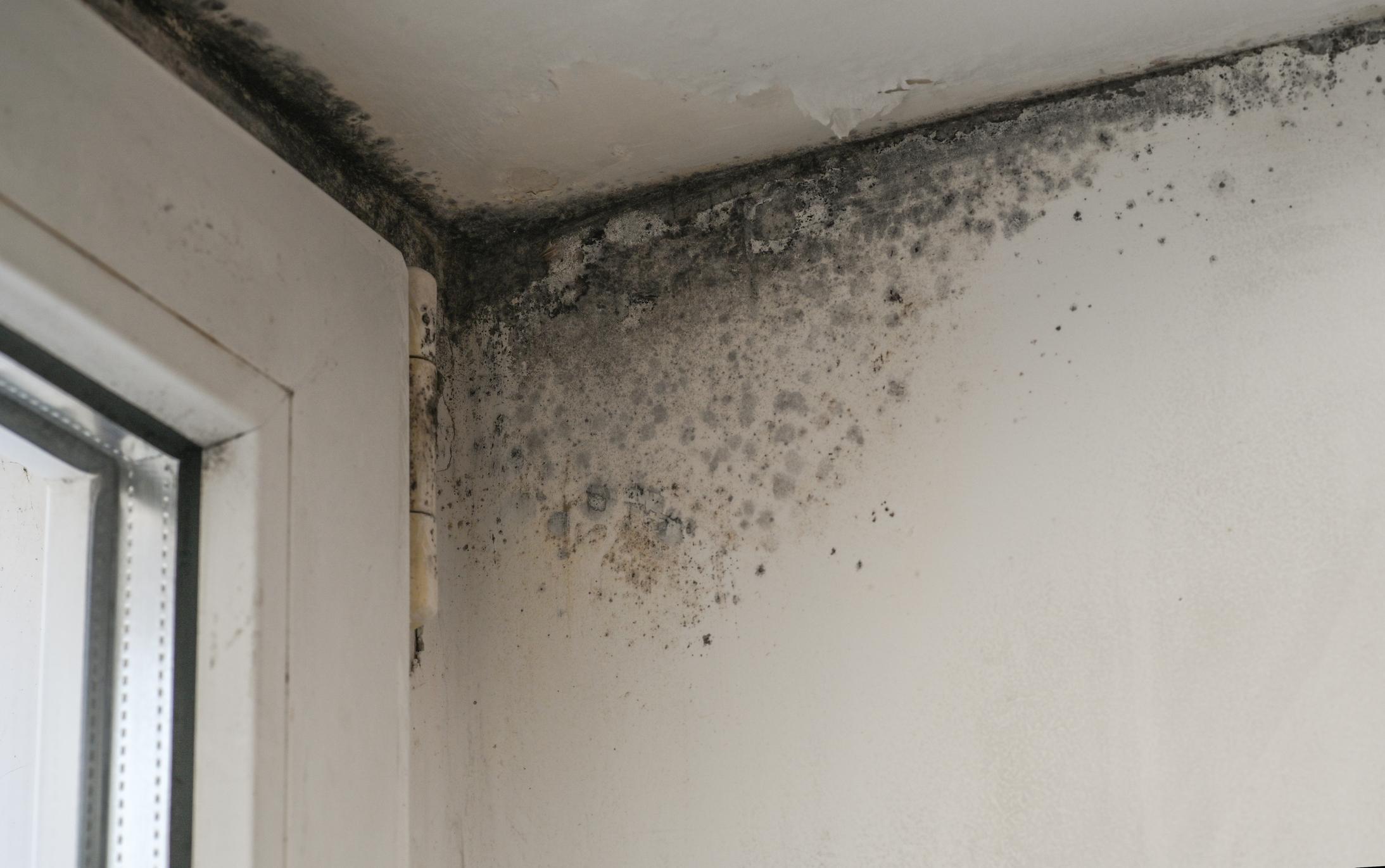
mold removal
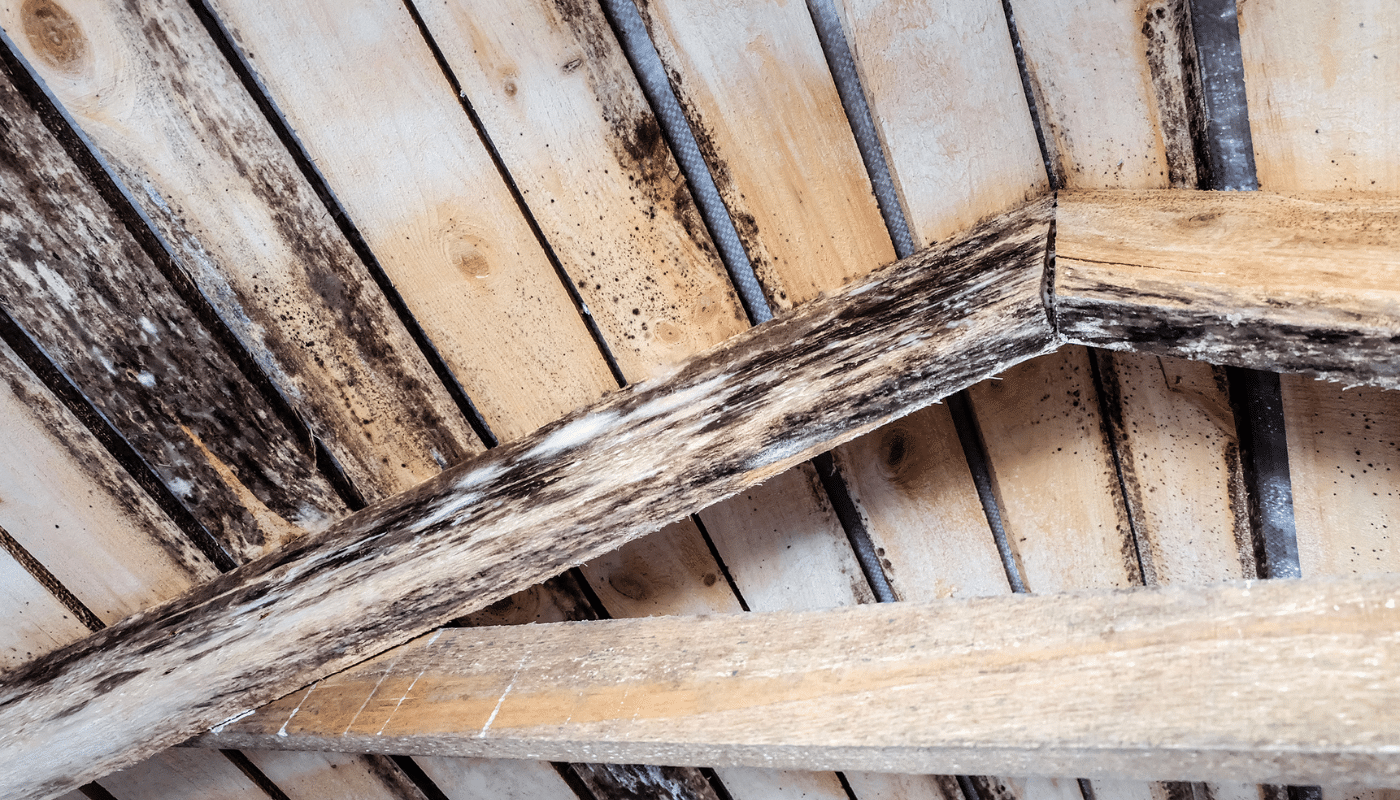
black mold removal
mold inspection
Find a Mold Remediation Pro in Albany
Connect with verified local professionals who understand your specific needs.