
Residential & Commercial Pest Control in Charlotte, TN
For active infestations or routine prevention, compare local options for targeted, family- and pet-conscious pest control. Connect with qualified providers when timing matters.
📞How Matching Works in Charlotte
Share Your Need
Select the specific service or issue you need help with.
Get Matched
We identify local professionals in our network who handle that service.
Compare Options
Review your matches and decide on the best provider for you.
Complete Residential & Commercial Pest Control Solutions
Professional services tailored to Charlotte residents and businesses
Why Choose Our Residential & Commercial Pest Control
Trusted by Charlotte homeowners and businesses
Thorough Home Inspection
Technicians identify entry points, nesting areas, and conditions attracting pests before treating.
Targeted, Safer Treatments
Precision applications and IPM methods reduce pests while minimizing exposure for families and pets.
Fast Scheduling Options
Same-week appointments available to stop active infestations before they spread further.
Prevention & Exclusion Tips
Get practical steps to seal gaps, reduce moisture, and keep pests from returning.
Clear Plan & Pricing
Upfront estimates with a written treatment plan, so you know what’s included and why.
Follow-Up When Needed
Ongoing monitoring and return visits help ensure long-lasting control for tough infestations.
Comprehensive Service Overview
Residential and commercial pest control in Charlotte typically starts with an inspection that identifies the pest, its life stage, entry points, nesting or harborage areas, and conditions supporting activity. The resulting treatment plan may combine exclusion recommendations, sanitation guidance, moisture control, monitoring, and carefully selected applications. A written estimate or plan can clarify what is included, why particular areas are addressed, and whether follow-up visits are expected.
For homes, common concerns include ants entering around foundations and windows, roaches near plumbing or food storage, spiders around exterior lighting and eaves, rodents in attics or crawl spaces, and termites affecting wood or soil-contact areas. Mosquito considerations often center on standing water, shaded vegetation, and outdoor use. Bed bug work generally requires careful identification and coordinated preparation because activity can involve sleeping areas, furniture, and neighboring units.
Commercial settings bring additional considerations. Restaurants, rental properties, offices, and small retail spaces may need discreet scheduling, attention to sanitation and storage, and ongoing monitoring rather than a one-time response. IPM methods can reduce pest activity while limiting unnecessary exposure for families, pets, employees, and customers. Depending on the property and pest, lower-odor products, baiting, traps, and precision applications may be considered.
Prevention guidance commonly includes sealing gaps, improving door sweeps, reducing moisture, managing vegetation, storing food securely, and correcting clutter or sanitation conditions. For persistent infestations, scheduled inspections and return visits may support longer-term control, though timing varies by pest, building condition, treatment approach, and cooperation with recommended prevention measures. Same-week appointments may be available in some areas for active infestations, subject to local scheduling.
★ Why Choose a Local Pro?
Local context matters because pest pressure and building conditions can vary substantially across Charlotte. A home near wooded or rural-edge property may have different exterior exposure than a compact downtown residence, while a restaurant, rental property, or office may need a different monitoring rhythm and communication plan. Familiarity with Tennessee’s seasonal patterns can help shape questions about moisture, landscaping, crawl spaces, and overwintering behavior.
Homeowners and property managers should also compare licensing, insurance documentation, treatment methods, follow-up expectations, and written plans when evaluating providers. Requirements and professional expectations may vary by the type of pest, the property’s use, and the applicable jurisdiction. Older housing stock can require more attention to exclusion and moisture conditions; newer developments may still have landscape, construction, or utility-entry concerns. A clear inspection report and family- or pet-conscious application discussion can make it easier to understand what is being recommended without assuming that one approach fits every Charlotte property.
Local Advantage
- ✓ Faster Response Times
- ✓ Knowledge of Local Codes
- ✓ Community Accountability
Local Residential & Commercial Pest Control in Charlotte
Understanding the specific needs and challenges of properties in the Charlotte area.
Regional Characteristics
Charlotte includes a mix of established homes, newer residences, rental properties, agricultural or rural-edge parcels, and small commercial buildings. Older housing may have aging screens, foundation gaps, crawl spaces, or plumbing-related moisture that create access points, while newer construction can still develop pest issues around landscaping, utility penetrations, garages, and building materials. The area’s humid subtropical climate, warm summers, rainfall, wooded surroundings, and changing temperatures influence seasonal pest movement. Lower-density properties may have more vegetation and exterior harborage, while denser areas can bring shared walls, dumpsters, food storage, and tenant turnover into the picture.
Common Issues
Residents commonly encounter ants, roaches, spiders, rodents, termites, mosquitoes, and bed bugs. Moisture around crawl spaces, kitchens, bathrooms, exterior faucets, or drainage areas may contribute to activity. Gaps around doors, vents, pipes, foundations, and roofs can make entry easier. Restaurants and small businesses may also compare sanitation-focused monitoring, discreet treatment timing, and documentation appropriate for occupied or food-handling environments.
Areas & Neighborhoods Served
Coverage across the neighborhoods, corridors, and nearby communities property owners most often ask about in Charlotte.
Service Area Zip Codes
Local Considerations
General service patterns may differ between downtown and older areas, residential streets, rural-edge properties, and newer developments. Properties near wooded lots, open fields, drainage features, or heavily landscaped areas may experience different pest pressure than buildings in more compact parts of Charlotte.
Pest Control Guides for Charlotte
Different situations call for different information. Choose a guide based on what you need right now.
Emergency Situations
Urgent help when every minute counts.
Get Emergency HelpPricing & Cost Factors
Understand fair costs and pricing.
View Pricing GuideAvoid Scams
Protect yourself from common fraud.
Read Protection GuidePermits & Compliance
Local rules and requirements.
Check RequirementsNext Steps
Visit the emergency page when an active pest situation needs urgent evaluation, the pricing page for estimates and treatment-plan questions, the scams page for consumer-protection information, and the permits page for compliance questions that may depend on the property or jurisdiction. For routine prevention, recurring monitoring, or a new infestation, use the page’s matching option to compare local providers and request an inspection.
Residential & Commercial Pest Control Work
Professional residential & commercial pest control services in Charlotte

Residential & Commercial Pest Control Services
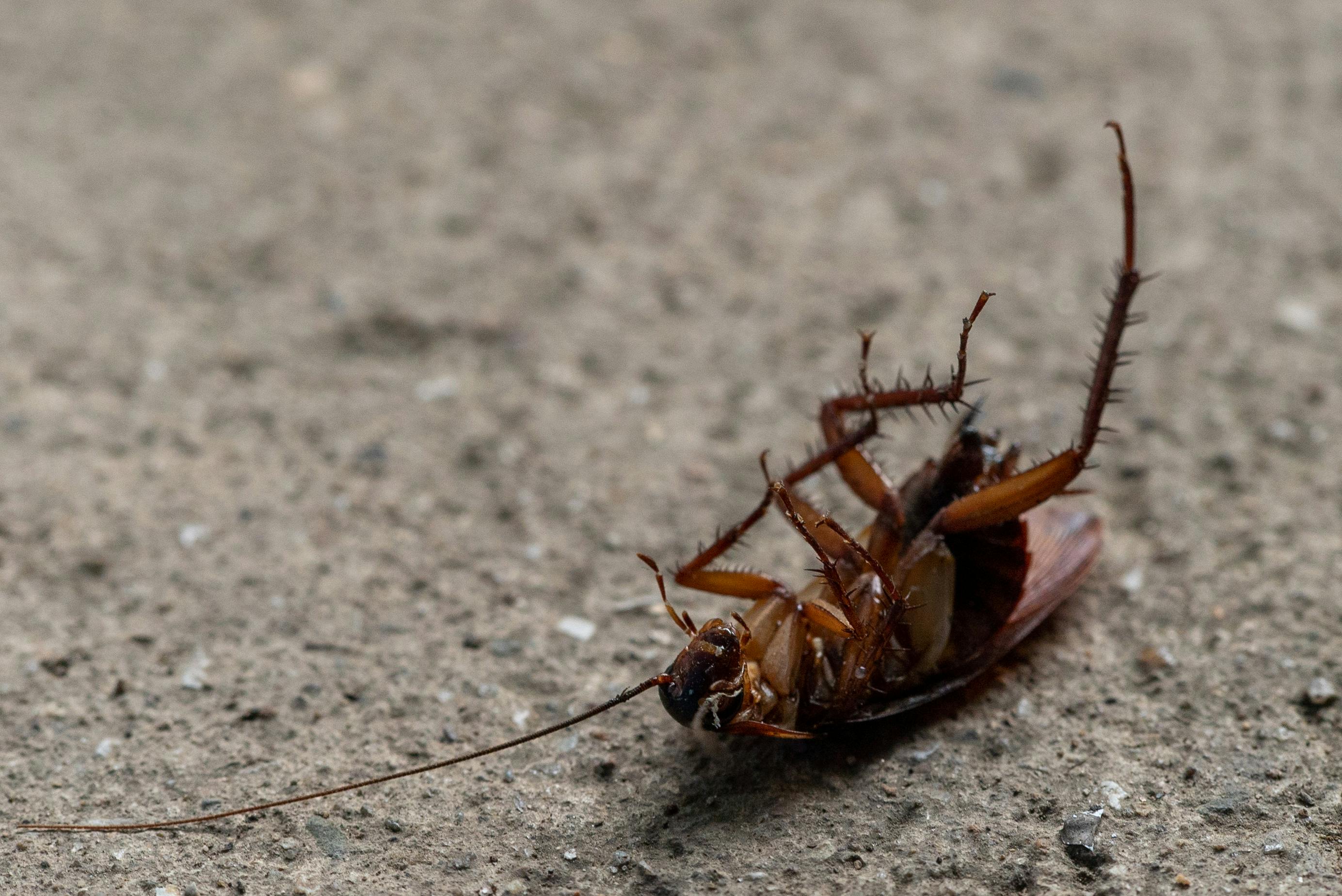
Residential & Commercial Pest Control Services
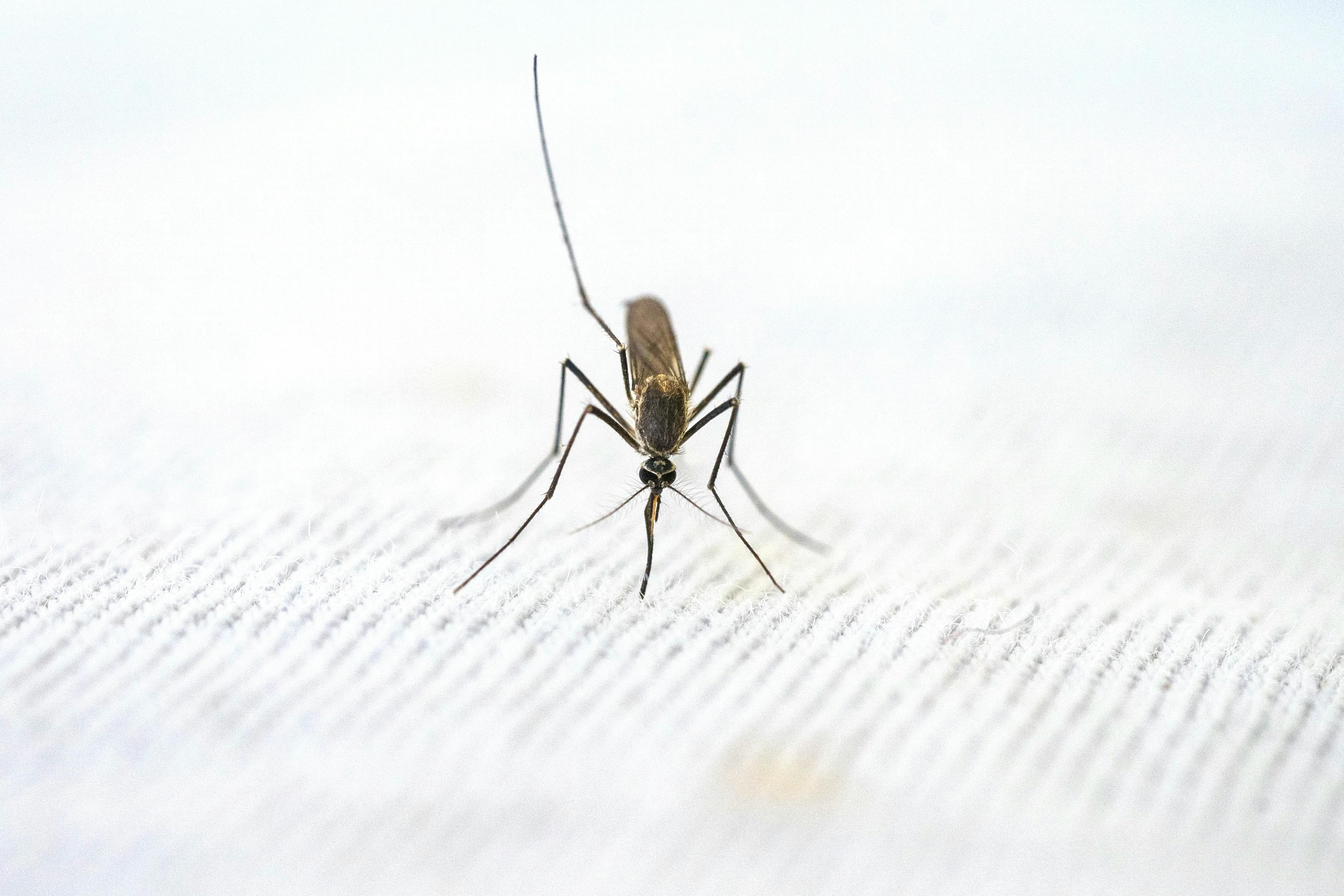
Residential & Commercial Pest Control Services
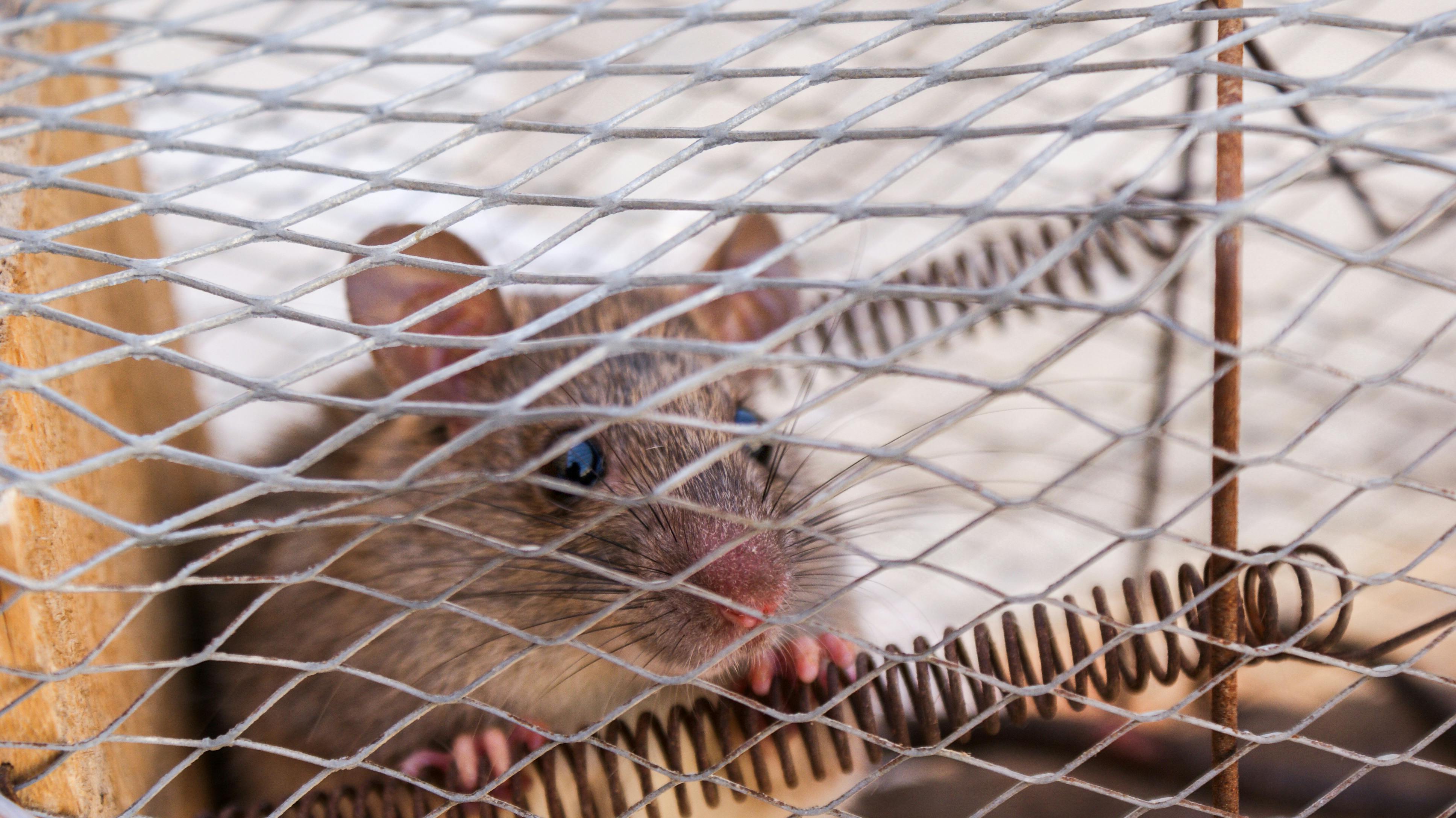
Residential & Commercial Pest Control Services
Find a Residential & Commercial Pest Control Pro in Charlotte
Connect with verified local professionals who understand your specific needs.