
Roofing in Black Mountain, NC: What Homeowners Should Know
Whether you're protecting a historic home near Lake Tomahawk or managing a commercial property along the main corridor, roofing in this mountain community comes with its own set of considerations. Understanding what to expect helps you make informed decisions with confidence.
📞How Matching Works in Black Mountain
Share Your Need
Select the specific service or issue you need help with.
Get Matched
We identify local professionals in our network who handle that service.
Compare Options
Review your matches and decide on the best provider for you.
Complete Residential & Commercial Roofing Solutions
Professional services tailored to Black Mountain residents and businesses
Why Choose Our Residential & Commercial Roofing
Trusted by Black Mountain homeowners and businesses
Leak Repair & Diagnostics
Pinpoint the source fast with a thorough inspection and targeted repairs that stop water intrusion and prevent further damage.
Storm Damage Response
Quick assessments after wind or hail, with photo documentation and guidance to help you navigate the insurance process.
Honest Roof Inspections
Clear findings, pictures, and straightforward options so you can make confident decisions—no pressure, no surprises.
Quality Materials & Warranties
Installations built for long-term protection using proven materials, proper flashing/ventilation, and workmanship warranties.
Comprehensive Service Overview
Roofing work in Black Mountain generally involves more than just picking a material and scheduling an install. The mountain setting, varied housing stock, and local climate patterns all influence what a project actually entails.
For residential properties, typical roofing projects include full replacements, repairs from storm damage or age-related wear, and ongoing maintenance. Homes in older neighborhoods like those near downtown or around Lake Tomahawk often have steeper roof pitches, custom flashing around chimneys and valleys, and layouts that require careful attention to ventilation. Newer homes in subdivisions may have more straightforward roof designs, but still benefit from proper underlayment and ice-and-water shield installation—especially given the freeze-thaw cycles common to the region.
For commercial properties, roofing needs tend to center on flat or low-slope systems common to storefronts, offices, and mixed-use buildings along the main corridors. These projects typically involve modified bitumen, TPO, or built-up roofing, with an emphasis on proper drainage and seam integrity given the area’s rainfall.
A thorough inspection is often the starting point—someone will assess the roof deck, flashing, vents, and overall condition to pinpoint the source of any issue. In cases where storms have moved through, a quick assessment with photo documentation can help property owners understand what happened and have useful information on hand for insurance conversations. For replacements, the focus is typically on long-term protection using proven materials, with proper flashing and ventilation details built in from the start.
Maintenance matters here more than in drier climates. Regular gutter cleaning, debris removal, and moss treatment can extend a roof’s life significantly, especially on tree-shaded properties.
★ Why Choose a Local Pro?
Roofing in a mountain town like Black Mountain isn't the same as roofing in the Piedmont or the coast. The local building codes, elevation, and weather patterns all play a role in what's appropriate for a given property.
Licensed and insured contractors who work in this area regularly understand the nuances: how to properly flash a roof in a freeze-thaw climate, which underlayment performs best with heavy rainfall, and how to ventilate a steep roof on an older home. They're also familiar with local permitting requirements, which can vary depending on the scope of work and the specific zoning.
For property owners, this means that choosing someone with local experience often leads to a smoother process—fewer surprises, better material recommendations, and work that's suited to the specific conditions of a Black Mountain property. It's worth asking potential contractors about their familiarity with older homes in the area and their approach to dealing with the region's weather patterns.
Local Advantage
- ✓ Faster Response Times
- ✓ Knowledge of Local Codes
- ✓ Community Accountability
Local Residential & Commercial Roofing in Black Mountain
Understanding the specific needs and challenges of properties in the Black Mountain area.
Regional Characteristics
Black Mountain sits in a valley surrounded by the Blue Ridge Mountains, giving the area a mix of steep terrain, wooded lots, and varied housing styles. The housing stock ranges from early 1900s bungalows and craftsman homes in older neighborhoods to mid-century ranches and newer subdivisions on the outskirts. Many properties sit under mature hardwood trees, which means shade, falling branches, and leaf accumulation are regular factors. The climate brings substantial rainfall—over 40 inches annually—along with winter freezes and occasional ice events, making weather resistance a primary concern for any roofing project.
Common Issues
Homeowners in Black Mountain frequently encounter roof issues tied to the mountain environment. Moss and algae growth are common on shaded, north-facing roof slopes. Ice damming along eaves can occur during winter freeze-thaw cycles. Older homes often have outdated flashing, insufficient ventilation, or multiple layers of shingles that complicate repairs. Storm-related impacts from wind and falling tree limbs are also worth planning for, particularly in neighborhoods with dense tree cover.
Areas & Neighborhoods Served
Coverage across the neighborhoods, corridors, and nearby communities property owners most often ask about in Black Mountain.
Service Area Zip Codes
Local Considerations
Black Mountain's historic downtown district features many older commercial and residential buildings with steep-pitch roofs and traditional materials. The Lake Tomahawk area includes a mix of lakefront and near-lake properties with unique moisture considerations. Newer residential developments on the outskirts of town tend to have more standardized framing and modern building practices, while older mountain cabins and cottages may require more specialized approaches.
Roofing Guides for Black Mountain
Different situations call for different information. Choose a guide based on what you need right now.
Emergency Situations
Urgent help when every minute counts.
Get Emergency HelpPricing & Cost Factors
Understand fair costs and pricing.
View Pricing GuideAvoid Scams
Protect yourself from common fraud.
Read Protection GuidePermits & Compliance
Local rules and requirements.
Check RequirementsNext Steps
Depending on where you are in the process, one of these pages may be more helpful right now. If you're dealing with an active leak or storm damage that needs fast attention, visit the emergency page to understand what to do next. For questions about typical costs and budget considerations, the pricing page offers a helpful overview. If you're concerned about protecting yourself during the hiring process, the scams page covers what to watch for. And if you're wondering about local permit requirements for your project, the permits page lays out what typically applies in Buncombe County.
Residential & Commercial Roofing Work
Professional residential & commercial roofing services in Black Mountain
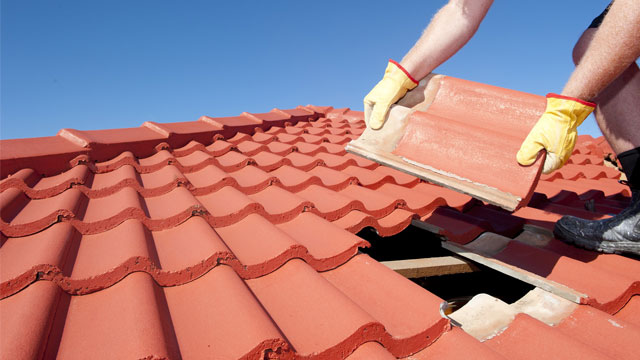
Residential & Commercial Roofing Services
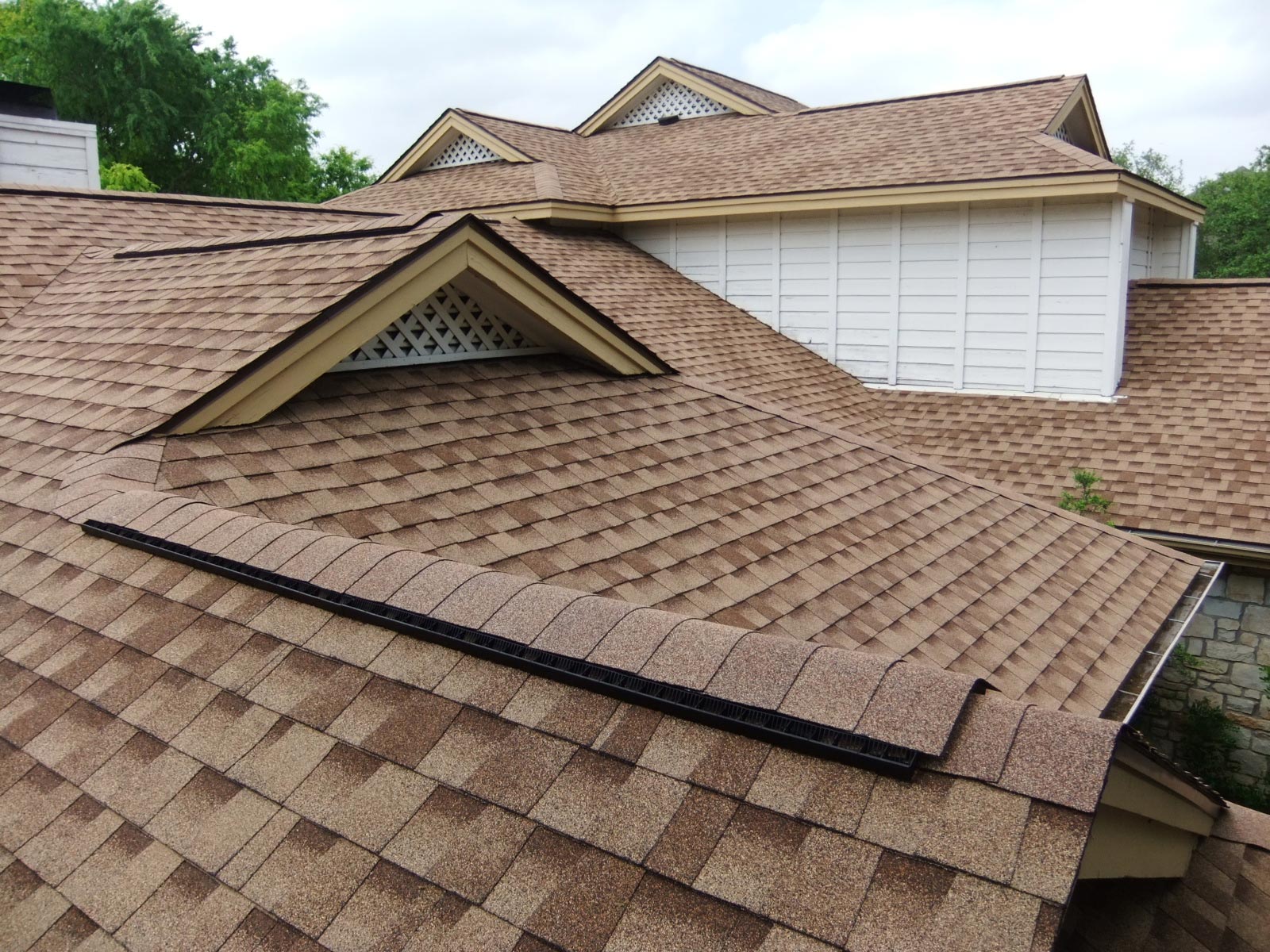
Residential & Commercial Roofing Services
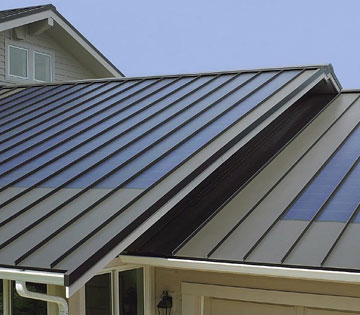
Residential & Commercial Roofing Services
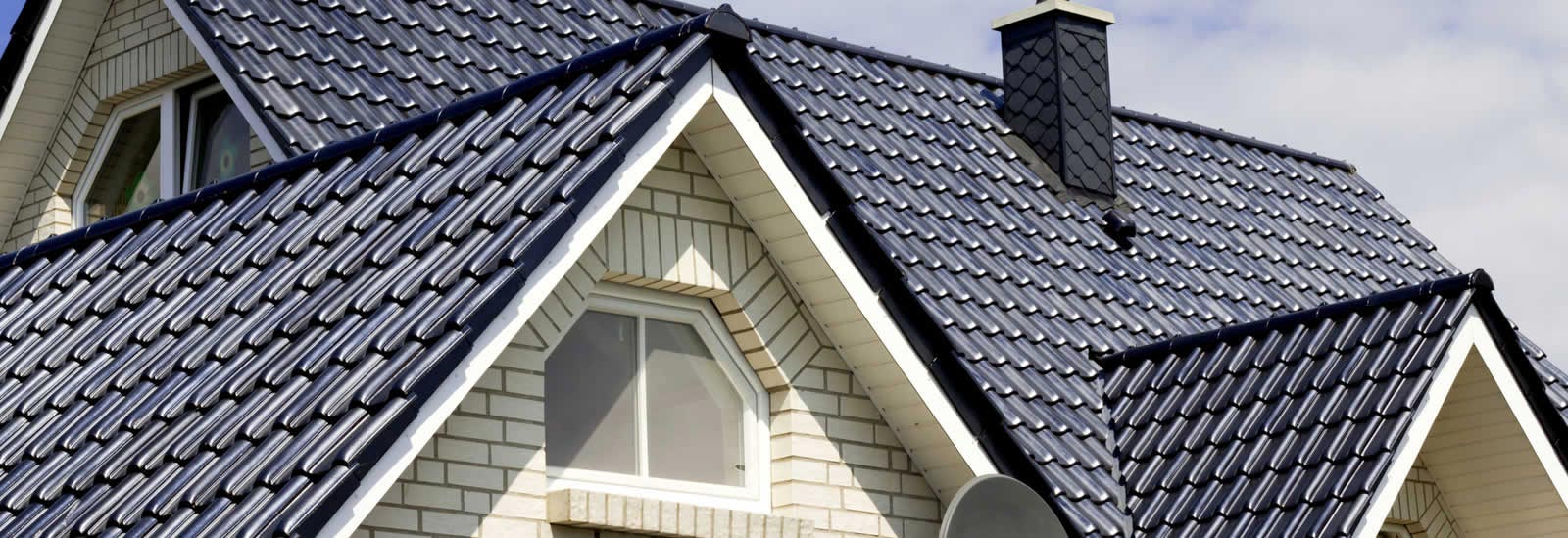
Residential & Commercial Roofing Services
Find a Residential & Commercial Roofing Pro in Black Mountain
Connect with verified local professionals who understand your specific needs.