
Residential & Commercial Roofing in Denver, Iowa
Roof repairs, replacements, storm-related assessments, and maintenance can look different from one property to the next. Get matched with local professionals for a clear, no-pressure next step.
📞How Matching Works in Denver
Share Your Need
Select the specific service or issue you need help with.
Get Matched
We identify local professionals in our network who handle that service.
Compare Options
Review your matches and decide on the best provider for you.
Complete Residential & Commercial Roofing Solutions
Professional services tailored to Denver residents and businesses
Why Choose Our Residential & Commercial Roofing
Trusted by Denver homeowners and businesses
Leak Repair & Diagnostics
Pinpoint the source fast with a thorough inspection and targeted repairs that stop water intrusion and prevent further damage.
Storm Damage Response
Quick assessments after wind or hail, with photo documentation and guidance to help you navigate the insurance process.
Honest Roof Inspections
Clear findings, pictures, and straightforward options so you can make confident decisions—no pressure, no surprises.
Quality Materials & Warranties
Installations built for long-term protection using proven materials, proper flashing/ventilation, and workmanship warranties.
Comprehensive Service Overview
A roofing project in Denver typically begins with understanding the roof system as a whole: surface materials, underlayment, flashing, ventilation, drainage, penetrations, and the condition of the supporting structure where visible. For a home, that may mean comparing a targeted repair with replacement of one roof plane or the full roof. For a shop, office, or other small commercial building, the discussion may center on membrane systems, low-slope drainage, rooftop equipment, access, and protecting the interior during the work.
Common material categories include asphalt shingles for many pitched residential roofs, metal for selected residential or agricultural and commercial applications, and tile or other specialty materials where the structure and design support them. Flat and low-slope buildings may use modified bitumen or other membrane assemblies. Material selection should account for roof pitch, exposure, drainage, maintenance expectations, compatibility with existing components, and manufacturer requirements.
When a leak or storm-related impact is involved, pinpointing the source matters more than simply covering the most obvious symptom. A thorough inspection, targeted repair, and clear photographs can help distinguish surface damage from moisture that has reached insulation, decking, ceilings, or wall assemblies. Documentation may also be useful when a property owner is communicating with an insurer, without assuming that any claim or coverage outcome is guaranteed.
For replacement work, useful comparison points include flashing details, ventilation, workmanship terms, material warranties, site protection, cleanup, and how occupants, landscaping, vehicles, or inventory will be protected. Clear findings and straightforward options make it easier to choose a scope that fits the property rather than treating every roof the same way.
★ Why Choose a Local Pro?
Local context matters because roofing decisions in Denver are shaped by Iowa weather, the age and style of the property, and the differences between residential, agricultural-edge, and commercial buildings. A roof on an older home may require closer attention to previous layers, ventilation, and concealed moisture, while a newer development may raise different questions about installation details and manufacturer requirements. Low-slope commercial roofs also have drainage and access considerations that do not translate directly from a pitched residential roof.
Property owners can reasonably compare licensed and insured providers, relevant manufacturer certifications when applicable, written findings, photographs, material specifications, and workmanship warranty terms. Familiarity with local construction patterns can help frame those questions, but credentials and requirements may vary by jurisdiction and project type. It is sensible to verify licensing, insurance, warranty language, and any applicable code expectations before work begins. Local conditions do not eliminate the need for a careful inspection; they simply provide useful context for understanding what the inspection should address.
Local Advantage
- ✓ Faster Response Times
- ✓ Knowledge of Local Codes
- ✓ Community Accountability
Local Residential & Commercial Roofing in Denver
Understanding the specific needs and challenges of properties in the Denver area.
Regional Characteristics
Denver is a small Iowa community with a mix of established homes, newer residential growth, agricultural and open-edge properties, and commercial buildings along local corridors. Housing density is generally lower than in a large metro area, so roof shapes, ages, and construction details can vary noticeably from one block or parcel to another. The region’s seasonal freeze-thaw cycles, winter snow, rainfall, wind, and summer heat can influence material aging and drainage performance. Older properties may have roofs with multiple repair histories, while newer developments commonly reflect current construction practices but still require attention to flashing, ventilation, and runoff paths. Commercial and small-business properties may use low-slope systems that need a different inspection approach from pitched residential roofs.
Common Issues
Residents commonly encounter aging asphalt shingles, lifted or missing materials after wind, cracked sealants, worn flashing, clogged or undersized drainage components, and moisture around roof penetrations. Ice and snow can add seasonal stress, while repeated temperature changes may expose weak points over time. Some leaks are not directly above the interior stain, making source identification important. Commercial properties may also face membrane seams, ponding water, rooftop equipment details, or scheduling concerns related to occupied spaces. After a weather-related event, photographs and a written condition record may help clarify what is visible and what still needs evaluation.
Areas & Neighborhoods Served
Coverage across the neighborhoods, corridors, and nearby communities property owners most often ask about in Denver.
Service Area Zip Codes
Local Considerations
Roofing needs can differ between downtown and older areas, established residential streets, newer developments, commercial corridors, and properties toward the city’s open edges. These broad location patterns are more useful than assuming every building in Denver has the same roof age, slope, access, or drainage setup.
Roofing Guides for Denver
Different situations call for different information. Choose a guide based on what you need right now.
Emergency Situations
Urgent help when every minute counts.
Get Emergency HelpPricing & Cost Factors
Understand fair costs and pricing.
View Pricing GuideAvoid Scams
Protect yourself from common fraud.
Read Protection GuidePermits & Compliance
Local rules and requirements.
Check RequirementsNext Steps
For an active leak, substantial storm-related damage, or another time-sensitive concern, visit the emergency roofing page. Questions about estimates, project scope, or budgeting belong on the pricing page; consumer-protection concerns belong on the scams page; and questions about approvals or compliance should be directed to the permits page. For general planning, property owners can compare local options and request a documented inspection or estimate.
Residential & Commercial Roofing Work
Professional residential & commercial roofing services in Denver
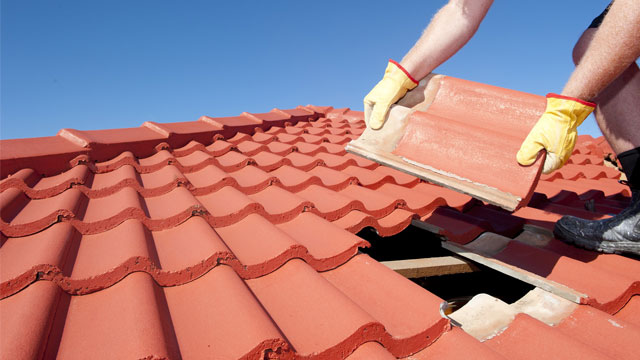
Residential & Commercial Roofing Services
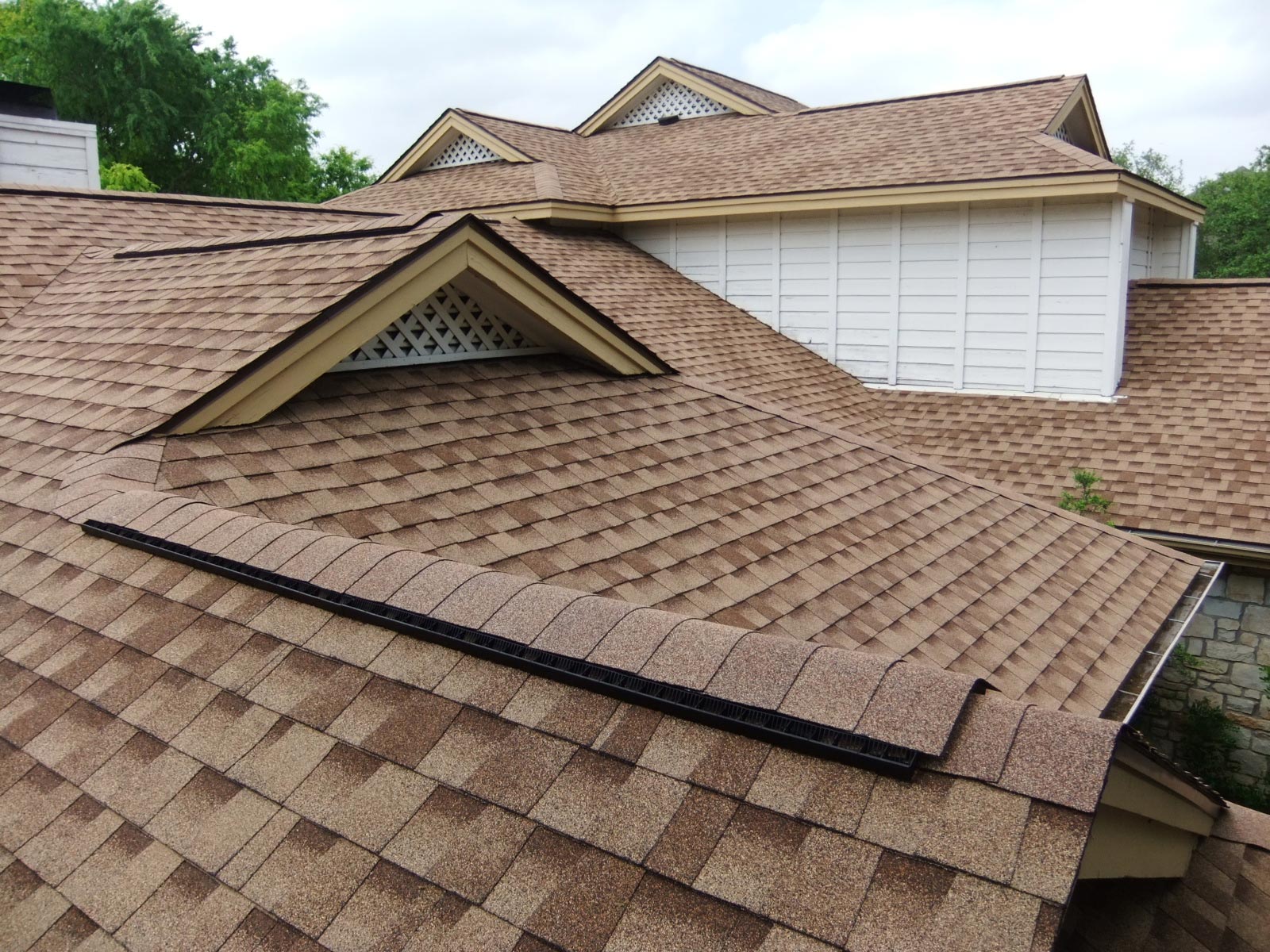
Residential & Commercial Roofing Services
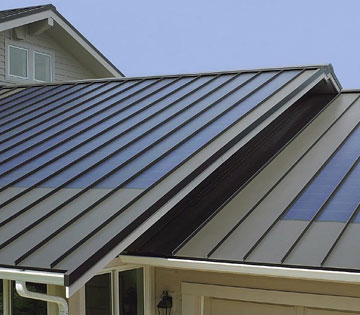
Residential & Commercial Roofing Services
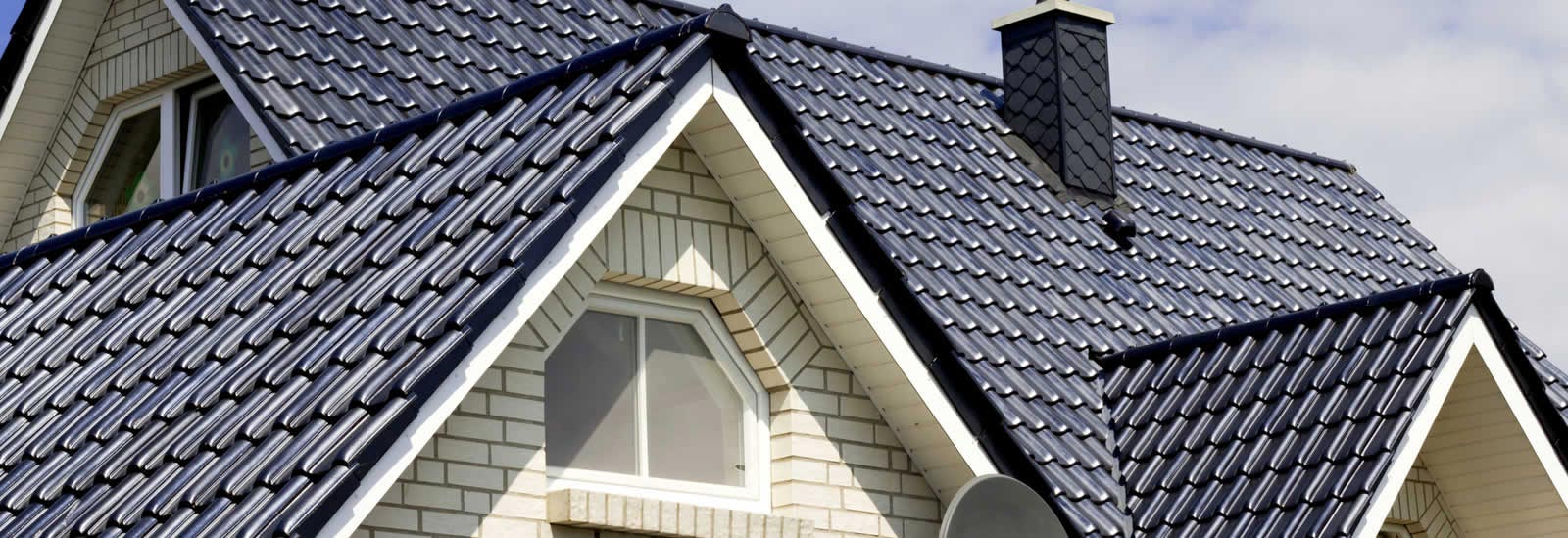
Residential & Commercial Roofing Services
Find a Residential & Commercial Roofing Pro in Denver
Connect with verified local professionals who understand your specific needs.