
Mold Remediation in Little River, AL: What Homeowners Should Know
If you're seeing mold or smelling musty odors, don't wait. Connect with local specialists who understand Baldwin County's humidity and can help address the issue quickly.
📞Comprehensive Service Overview
Mold remediation in the Little River area typically begins long before any mold is physically removed. The first and most critical step is identifying and controlling the moisture source — whether that's a plumbing leak, a roof penetration, poor grading around the foundation, or simply the ambient humidity that Baldwin County is known for. Without addressing the source, even the most thorough cleanup is likely temporary.
Once the moisture issue is managed, a proper remediation process involves containment to prevent mold spores from spreading to unaffected areas during removal. This usually means setting up physical barriers and using negative air pressure equipment with HEPA filtration. From there, affected building materials — drywall, insulation, carpet, or wood — are carefully removed or treated depending on the extent of the damage. Antimicrobial solutions are applied to affected surfaces, and the area is thoroughly dried using commercial-grade dehumidifiers and air movers.
A complete remediation also includes post-clearing verification — often a visual inspection combined with surface and air sampling to confirm that spore levels have returned to normal. This documentation can be especially helpful for homeowners coordinating with insurance or preparing a property for sale. In more humid properties like crawl spaces or unconditioned basements, long-term solutions such as vapor barriers, encapsulation, or improved ventilation may be recommended to prevent recurrence.
The entire process is guided by industry standards rather than guesswork, and a well-documented remediation provides homeowners with a clear scope of work, photographic evidence of the affected areas, and practical guidance for repairs and prevention going forward.
★ Why Choose a Local Pro?
Mold behaves differently depending on the climate, building stock, and local environmental conditions. A remediation approach that works in a dry, arid region won't necessarily translate to Baldwin County's humid subtropical climate, where moisture is a constant presence rather than an occasional visitor.
Working with professionals who are familiar with Little River and the surrounding Baldwin County area means they understand the local building styles, common failure points, and seasonal patterns that contribute to mold growth. They're also more likely to know how moisture moves through this specific landscape — from sandy soils to flood-prone zones near the rivers and creeks.
While licensing requirements vary, any qualified remediation should follow established industry protocols for containment, removal, and clearance testing. Local experience matters because it shapes how thoroughly the moisture source is investigated and how realistically the scope of work is planned. For homeowners, this translates into fewer surprises and a clearer path from problem to resolution.
Local Advantage
- ✓ Faster Response Times
- ✓ Knowledge of Local Codes
- ✓ Community Accountability
Local Mold Remediation in Little River
Understanding the specific needs and challenges of properties in the Little River area.
Regional Characteristics
Little River sits in the heart of Baldwin County, where the landscape shifts between pine forests, wetlands, and rural farmland. The area sees abundant rainfall — over 60 inches annually — paired with high humidity that lingers through much of the year. Many homes in this region were built before modern moisture-control standards were common, meaning crawl spaces, attics, and basements often lack adequate ventilation. The sandy, well-draining soil helps in some ways, but low-lying properties near waterways can experience persistent dampness. Mobile homes, manufactured housing, and older stick-built homes all have their own unique moisture challenges. Newer developments tend to have better vapor barriers and HVAC systems, but no home in this climate is entirely immune to mold-friendly conditions.
Common Issues
Homeowners in the Little River area frequently encounter mold related to seasonal storm flooding, chronic crawl space moisture, roof leaks from wind-driven rain, and condensation in poorly insulated attics. Musty odors after heavy rain, visible spotting on baseboards or drywall, and unexplained allergy symptoms among household members are common early indicators. Properties that sit vacant for extended periods — seasonal homes, rental properties, or inherited estates — are especially vulnerable because airflow and dehumidification stop. Failed real estate inspections due to mold growth in attics or crawl spaces are also a recurring concern for sellers and buyers alike.
Areas & Neighborhoods Served
Coverage across the neighborhoods, corridors, and nearby communities property owners most often ask about in Little River.
Service Area Zip Codes
Local Considerations
Little River itself is a small, unincorporated community, so much of the area's activity centers around the Highway 59 corridor running through Baldwin County. Nearby Bay Minette serves as the county seat and offers a concentration of older homes, historic buildings, and rental properties. The rural stretches between Stockton and Stapleton feature many acreage properties and homes set back from the road where moisture issues can go unnoticed for longer periods.
How Matching Works in Little River
Share Your Need
Select the specific service or issue you need help with.
Get Matched
We identify local professionals in our network who handle that service.
Compare Options
Review your matches and decide on the best provider for you.
Why Choose Our Mold Remediation
Trusted by Little River homeowners and businesses
Moisture Source Detection
We locate the leak or humidity source so mold doesn’t return after cleanup.
Containment & HEPA Filtration
Proper barriers and negative air pressure reduce cross-contamination during removal.
Safe Removal & Cleaning
Affected materials are removed or treated using industry-standard methods and antimicrobial solutions.
Clear Scope & Documentation
Get a written plan, photo evidence, and guidance for repairs and prevention.
Complete Mold Remediation Solutions
Professional services tailored to Little River residents and businesses
Mold Remediation Guides for Little River
Different situations call for different information. Choose a guide based on what you need right now.
Emergency Situations
Urgent help when every minute counts.
Get Emergency HelpPricing & Cost Factors
Understand fair costs and pricing.
View Pricing GuideAvoid Scams
Protect yourself from common fraud.
Read Protection GuidePermits & Compliance
Local rules and requirements.
Check RequirementsNext Steps
Depending on your situation, one of these pages may be more helpful right now. If you're dealing with active water intrusion or sudden flooding, the emergency page covers what to do when time is critical. For questions about costs and budget planning, the pricing page offers a realistic overview of what factors influence project estimates. If you're concerned about protecting yourself from bad actors in the industry, the scams page outlines common warning signs to watch for. And if your project may require local permits or inspections, the permits page explains what to check before work begins.
Mold Remediation Work
Professional mold remediation services in Little River
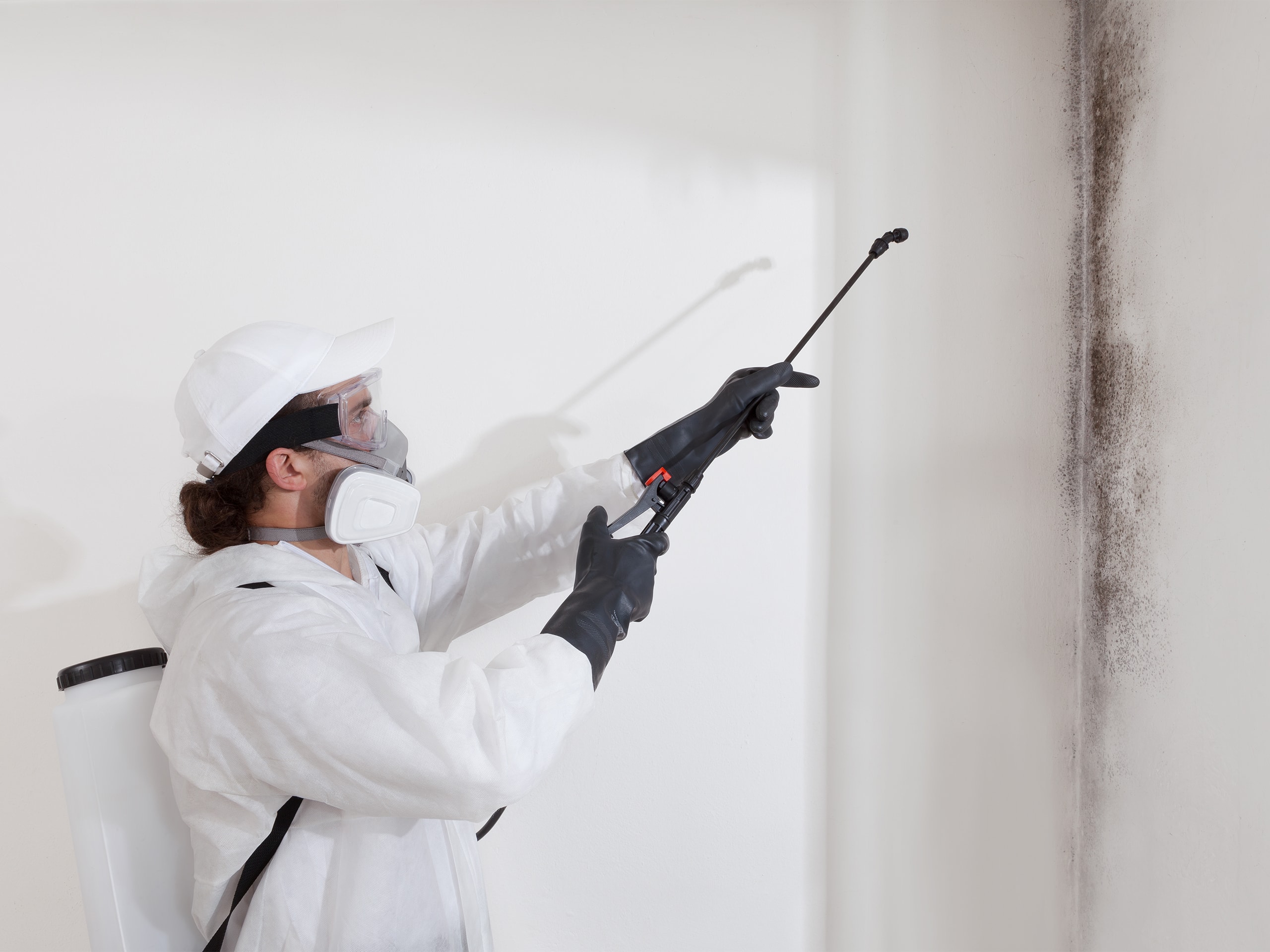
mold remediation
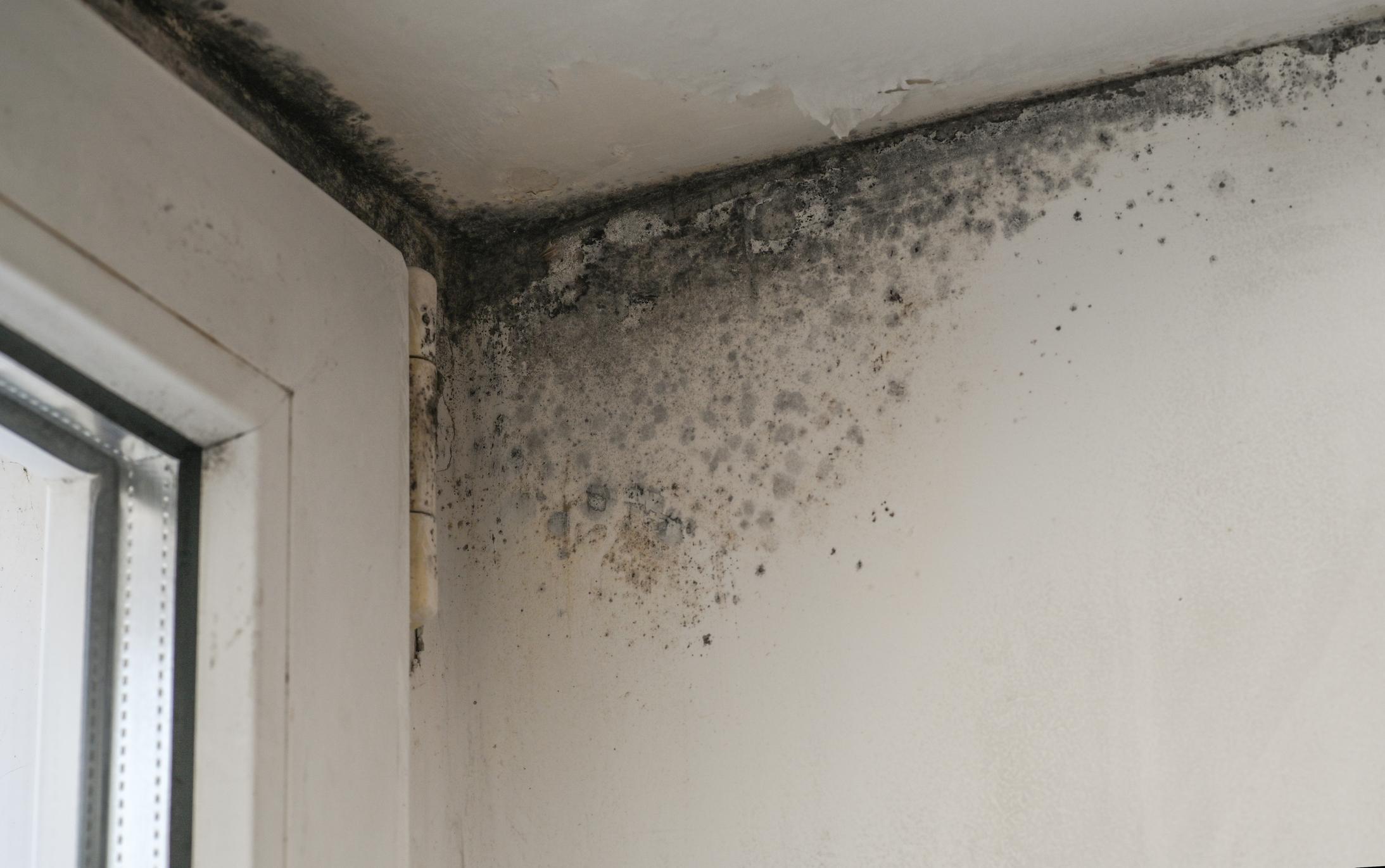
mold removal
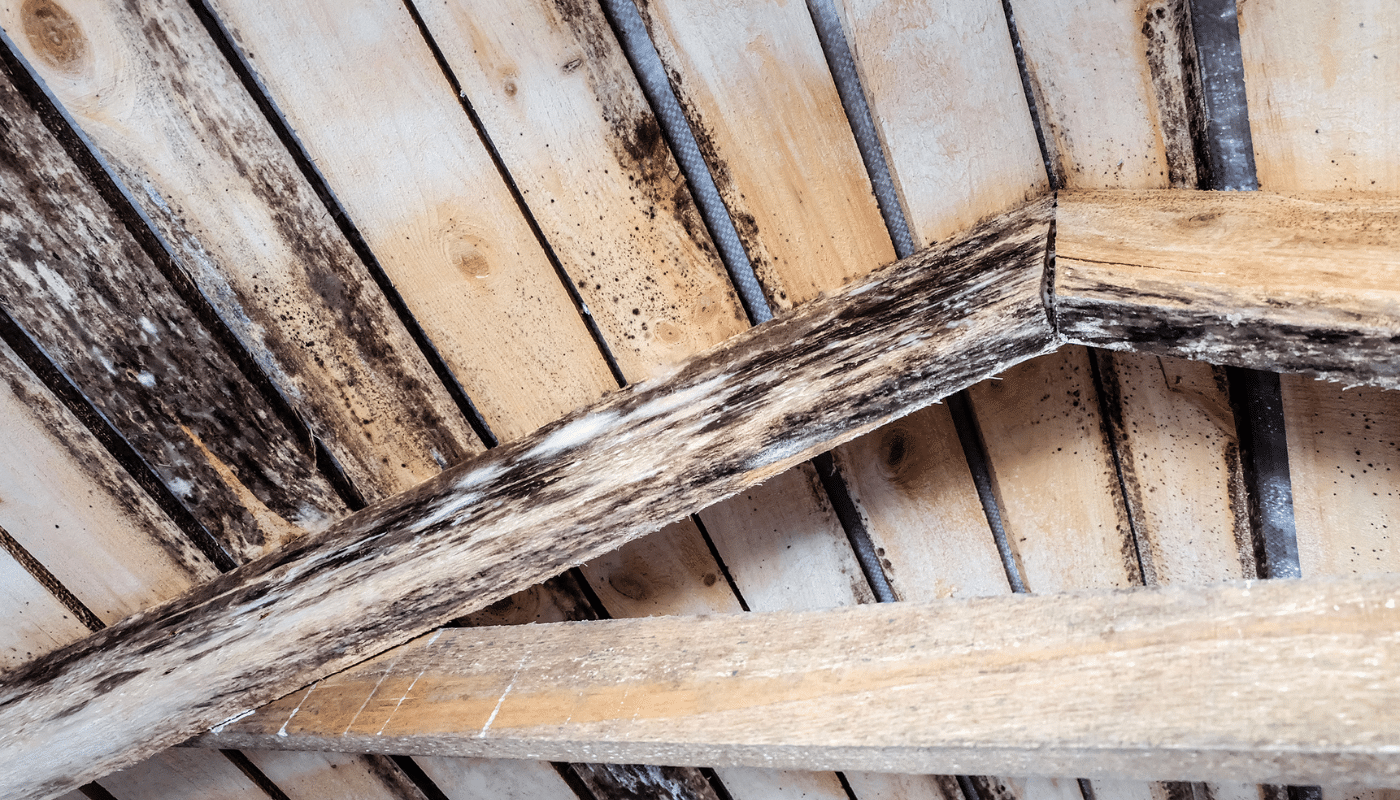
black mold removal
mold inspection
Find a Mold Remediation Pro in Little River
Connect with verified local professionals who understand your specific needs.