
Mold Remediation in Glenwood, AL: What Homeowners Should Know
If you're noticing musty odors or visible mold in your Glenwood home, understanding your options now can help protect your property. Local professionals can assess the situation and recommend a clear path forward.
📞Comprehensive Service Overview
When mold is discovered in a Glenwood home, the remediation process typically begins with a careful assessment—not just of the visible growth, but of the conditions that allowed it to develop in the first place. Finding and addressing the moisture source is the critical first step, whether that's a slow plumbing leak, a roof penetration, poor crawlspace ventilation, or simply the challenge of managing indoor humidity in Alabama's subtropical climate.
Once the source is identified and controlled, the next phase involves containing the affected area to prevent mold spores from spreading to other parts of the home during cleanup. This is where techniques like setting up negative air pressure and using HEPA filtration come into play, helping protect the rest of your living space while the remediation work is underway. Depending on what's found, affected materials such as drywall, insulation, or carpeting may need to be removed and replaced, while non-porous surfaces can often be cleaned and treated with antimicrobial solutions.
A thorough drying and dehumidification phase follows, which is especially important in this region given the ambient humidity levels. Simply removing visible mold isn't enough if the moisture conditions that sparked it remain. The goal is to restore the area to a clean, dry state where mold is unlikely to return.
After the work is complete, a post-remediation verification step can provide peace of mind. This usually involves visual inspection and sometimes air quality testing to confirm that the affected space has been properly addressed. For homeowners working with insurance, documenting the process with a written plan and photo evidence is something to keep in mind—it can be helpful when filing a claim.
Every mold situation is different, and the scope of work in a small older home near downtown Glenwood may look quite different from what's needed in a newer property on the outskirts. That's why a thorough, case-by-case approach matters.
★ Why Choose a Local Pro?
Mold issues in Glenwood are shaped by the same factors that make this area a wonderful place to live—the warm climate, the lush surroundings, and the seasonal weather patterns. But those same conditions mean that mold remediation here requires a solid understanding of local building practices, typical housing stock, and the specific moisture challenges that come with Crenshaw County's environment.
Hiring someone who's familiar with this region means they'll know what to look for in a crawlspace on a humid July morning, or how the sandy clay soils around here drain after a heavy rain. Local experience matters because the solutions that work in a dry climate or a different housing style may not translate well to Glenwood's older farmhouses and ranch-style homes.
Remediation work in Alabama may also involve considerations around building codes and permitting that vary by jurisdiction. A qualified local professional will be familiar with what's expected in Crenshaw County and can help ensure the work meets applicable standards.
Local Advantage
- ✓ Faster Response Times
- ✓ Knowledge of Local Codes
- ✓ Community Accountability
Local Mold Remediation in Glenwood
Understanding the specific needs and challenges of properties in the Glenwood area.
Regional Characteristics
Glenwood sits in the coastal plain region of south-central Alabama, where the landscape is defined by gently rolling hills, mixed pine and hardwood forests, and numerous creeks and waterways. Housing here ranges from older farmhouses and mid-century ranches to newer single-family subdivisions. Many homes in the area rely on crawlspace foundations, which can be susceptible to ground moisture, especially during Alabama's long, humid summers. The subtropical climate means high humidity levels persist from April through October, and seasonal rainfall can saturate the ground around foundations. Older properties may have less sophisticated moisture barriers or ventilation, while newer construction often incorporates better vapor management—but no home in this region is entirely immune to humidity-related mold issues.
Common Issues
Homeowners across Glenwood and the surrounding area most commonly encounter mold problems stemming from crawlspace moisture, leaky roofs or plumbing, condensation in attics, and seasonal flooding near creek beds. Bathrooms and laundry rooms with inadequate ventilation are frequent trouble spots, as are basements or cellars in older homes. After periods of heavy rain, it's not uncommon for residents to notice musty smells or visible spotting in areas where water has found its way inside. Humidity alone can also drive mold growth on surfaces like drywall, wood framing, and insulation, especially in spaces that stay closed up for long stretches.
Areas & Neighborhoods Served
Coverage across the neighborhoods, corridors, and nearby communities property owners most often ask about in Glenwood.
Service Area Zip Codes
Local Considerations
The area around downtown Glenwood includes some of the oldest residential properties in town, where traditional construction methods and aging infrastructure can contribute to moisture issues. Newer developments on the outskirts tend to have more modern moisture-management features, though no area is immune to the humidity challenges that come with the local climate. The Patsaliga Creek watershed and nearby low-lying areas see periodic drainage concerns after heavy storms.
How Matching Works in Glenwood
Share Your Need
Select the specific service or issue you need help with.
Get Matched
We identify local professionals in our network who handle that service.
Compare Options
Review your matches and decide on the best provider for you.
Why Choose Our Mold Remediation
Trusted by Glenwood homeowners and businesses
Moisture Source Detection
We locate the leak or humidity source so mold doesn’t return after cleanup.
Containment & HEPA Filtration
Proper barriers and negative air pressure reduce cross-contamination during removal.
Safe Removal & Cleaning
Affected materials are removed or treated using industry-standard methods and antimicrobial solutions.
Clear Scope & Documentation
Get a written plan, photo evidence, and guidance for repairs and prevention.
Complete Mold Remediation Solutions
Professional services tailored to Glenwood residents and businesses
Mold Remediation Guides for Glenwood
Different situations call for different information. Choose a guide based on what you need right now.
Emergency Situations
Urgent help when every minute counts.
Get Emergency HelpPricing & Cost Factors
Understand fair costs and pricing.
View Pricing GuideAvoid Scams
Protect yourself from common fraud.
Read Protection GuidePermits & Compliance
Local rules and requirements.
Check RequirementsNext Steps
Depending on your situation, one of these pages may be more helpful to you right now. If you're dealing with sudden water intrusion or widespread mold growth that feels urgent, the emergency page can help you understand what to do next. For questions about cost and budgeting, the pricing page offers a general overview of what mold remediation typically involves financially. If you're concerned about consumer protection or contractor practices, the scams page provides useful guidance. And for questions about local regulations or permit requirements, the permits page is a good place to start.
Mold Remediation Work
Professional mold remediation services in Glenwood
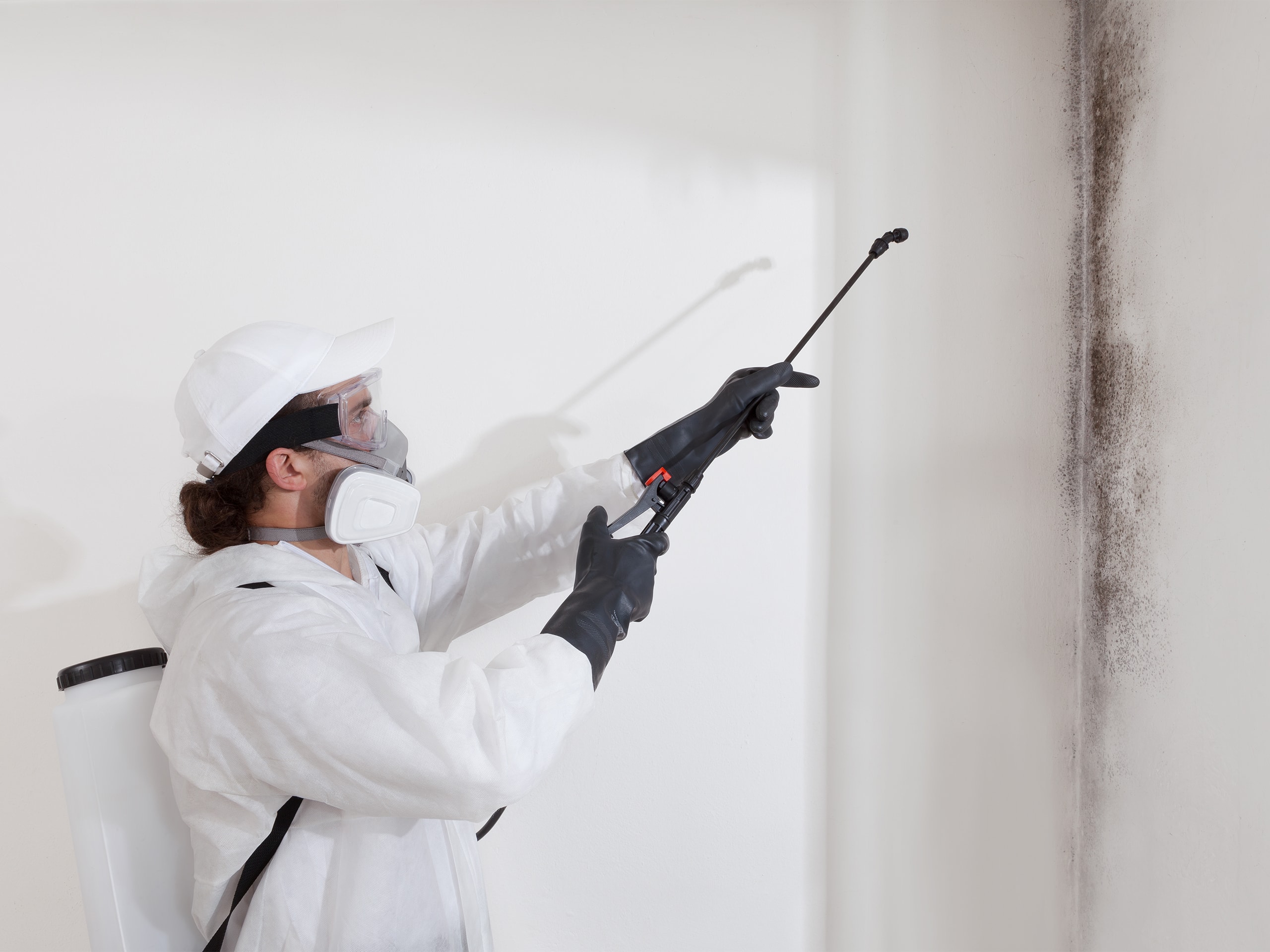
mold remediation
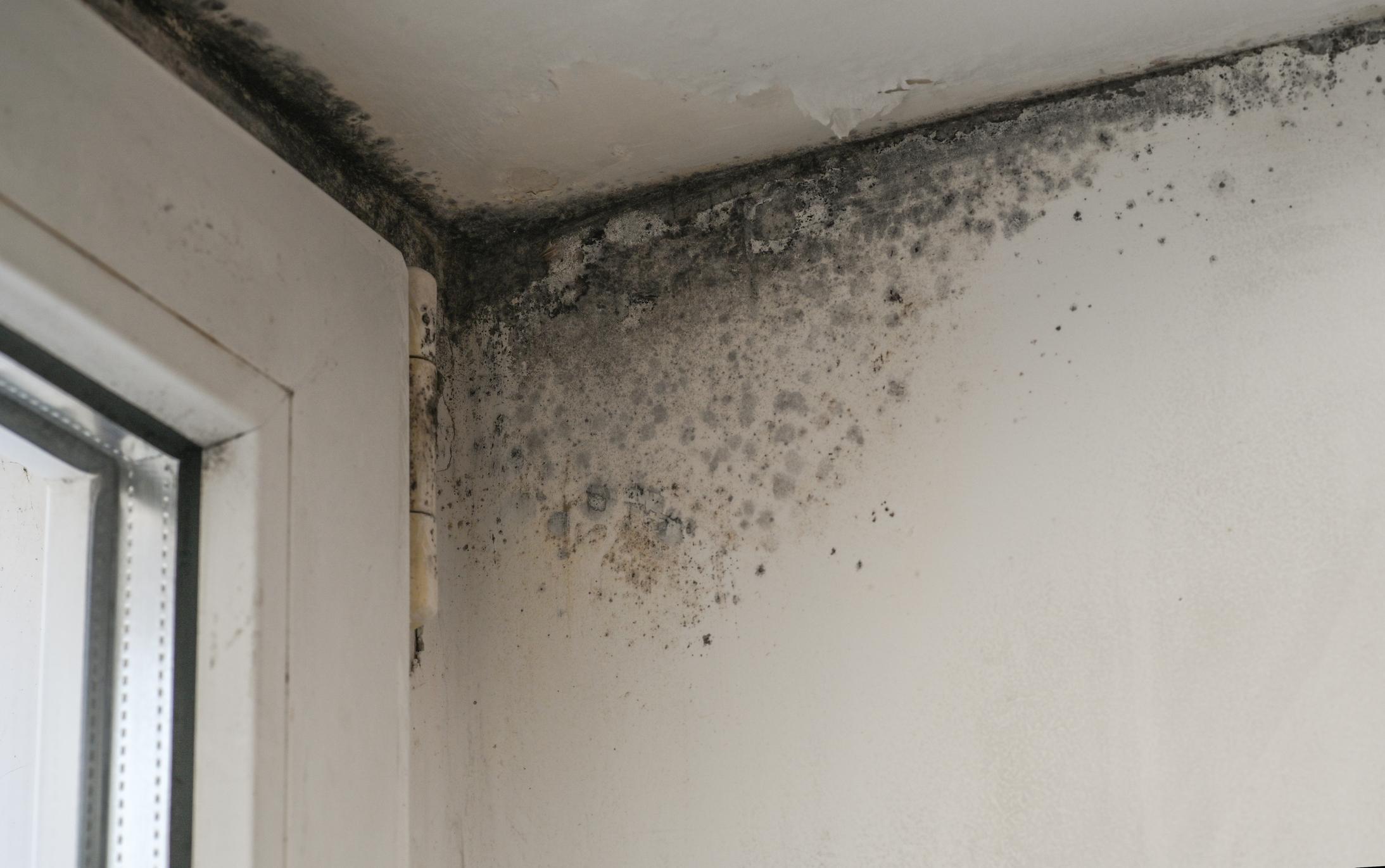
mold removal
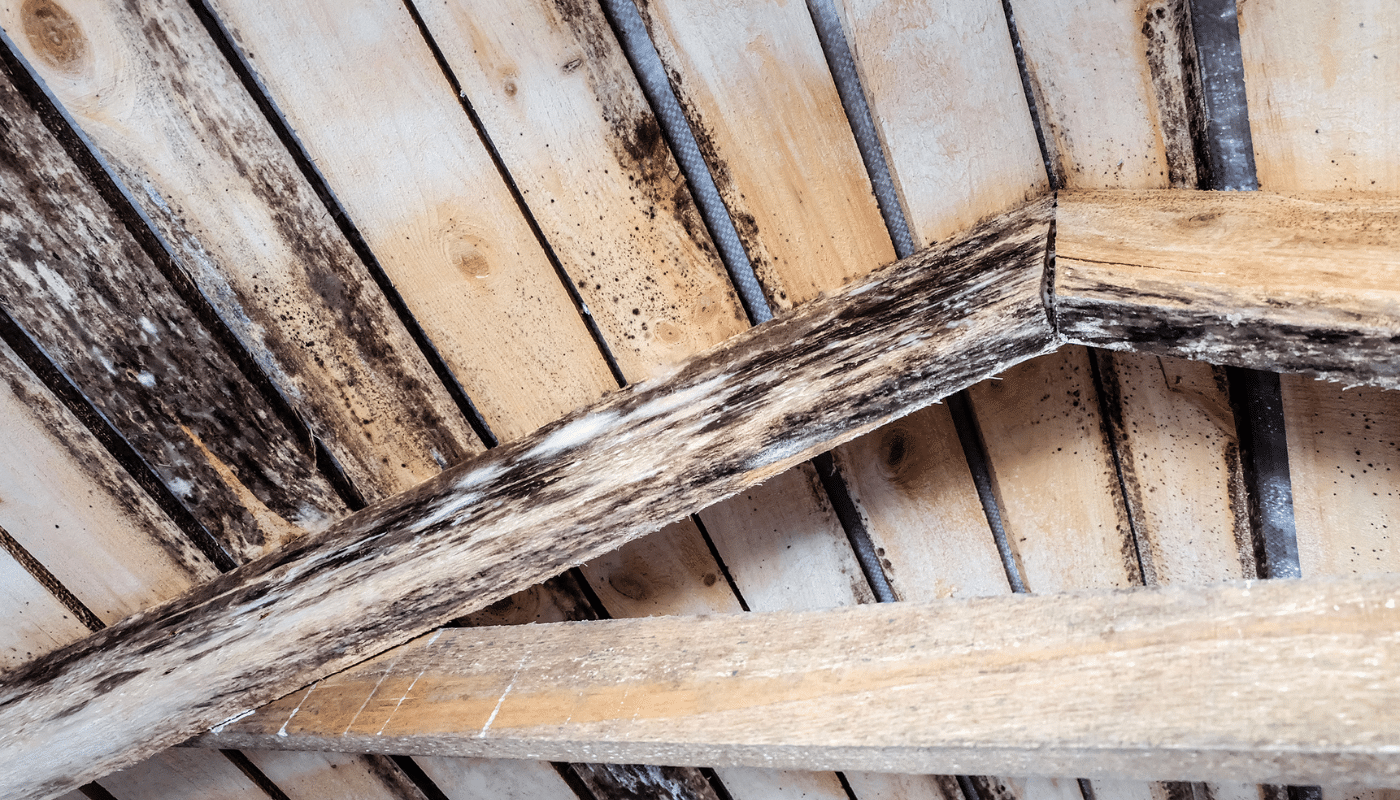
black mold removal
mold inspection
Find a Mold Remediation Pro in Glenwood
Connect with verified local professionals who understand your specific needs.